
Tamil Nadu vs Kerala vs Karnataka: Which South Indian State Has the Most Hill Stations?

Tamil Nadu holds the distinction of having the highest number of hill stations among all South Indian states, thanks to the Nilgiri, Palani, and Anamalai hill ranges that run through its geography. Its most celebrated destination is Ooty, or Udhagamandalam, situated at 2,240 metres in the Nilgiris and widely known as the Queen of Hill Stations. The UNESCO-listed Nilgiri Mountain Railway, the Government Botanical Gardens, and Doddabetta Peak, the highest point in Tamil Nadu, make it a perennial favourite for all kinds of travellers.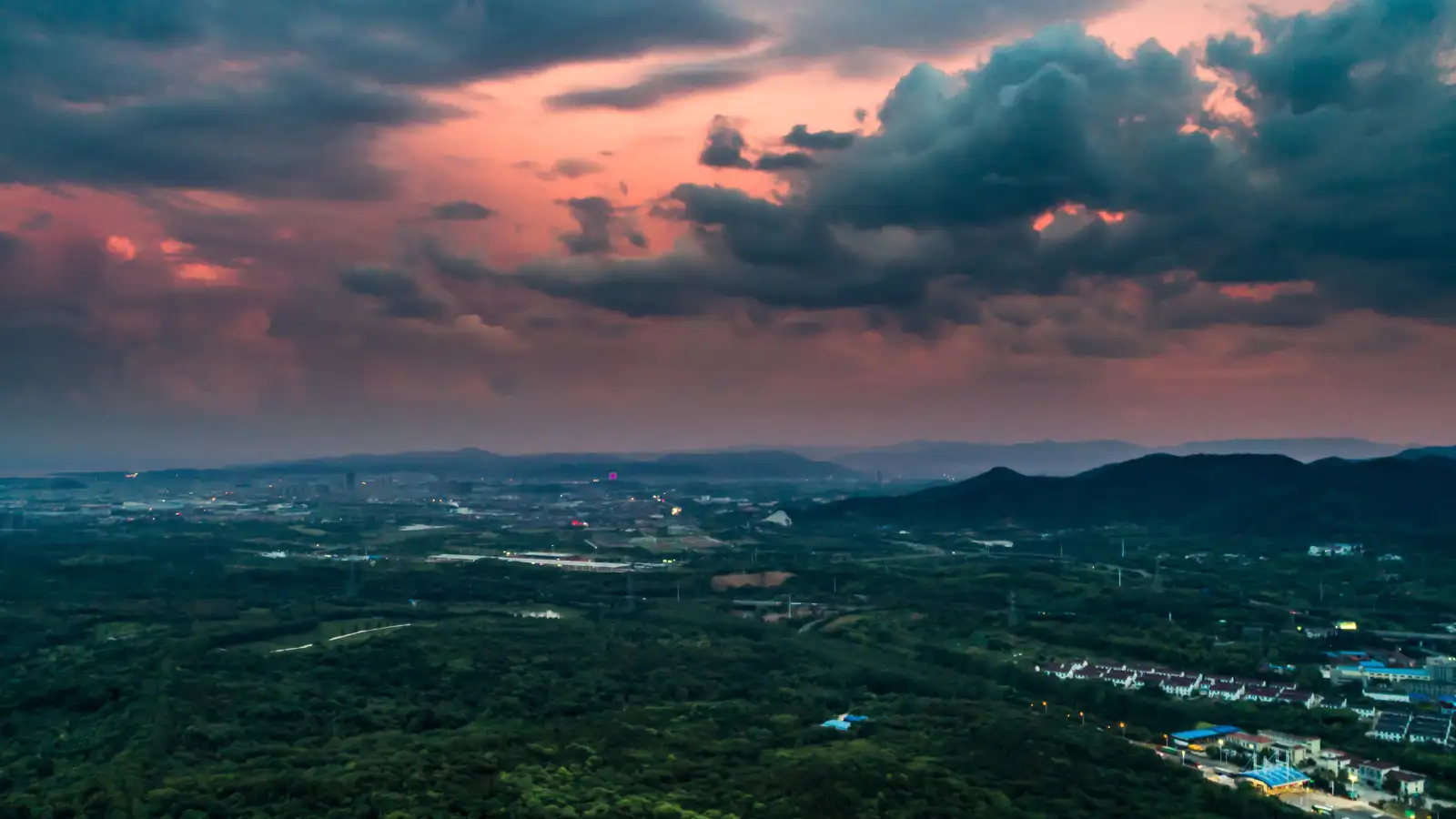
Kodaikanal, perched at 2,133 metres in the Palani Hills, sits higher than Ooty and carries a mistier, more secluded character. Kodai Lake, Pillar Rocks, and the forested trails around Berijam Lake give it a personality distinct from the Nilgiri circuit. Coonoor, a quieter neighbour to Ooty in the Nilgiri Hills, offers tea plantations, Sim's Park, and the Dolphin's Nose viewpoint with far fewer crowds. Yercaud in the Salem district, Valparai in the Anamalai Hills, and Yelagiri in Vellore district round out Tamil Nadu's impressive roster of accessible highland escapes.
Wayanad, with its forested hills, Edakkal Caves, and wildlife corridors, draws travellers looking for a wilder and less commercial experience. Idukki, which houses Asia's largest arch dam, is one of Kerala's most underrated highland destinations. Vagamon, a quiet plateau near the Kerala and Tamil Nadu border, offers pine forests, rolling grasslands, and a much slower pace than Munnar. Ponmudi near Thiruvananthapuram is a practical short-break option for those in the south of the state.
Chikmagalur, home to Mullayanagiri, the highest peak in Karnataka, is a trekker's base with Hebbe Falls, Baba Budangiri Hills, and silver streams running through coffee estates at every turn. Kemmanagundi, also called KR Hills, sits at 1,434 metres in Chikmagalur district and offers the Hebbe Falls and the Z Point viewpoint over the Ghats. Agumbe in the Shimoga district receives some of South India's highest annual rainfall, earning the nickname the Cherrapunji of the South, and is one of the best destinations for wildlife and monsoon travel.
Lambasingi, dubbed the Kashmir of Andhra Pradesh, is the coldest hill station in South India and one of the few that occasionally receives frost in winter. Horsley Hills in the Chittoor district, at 4,312 feet, is a quieter retreat known for rare flora and the Gangotri Lake. Telangana's contribution includes Ananthagiri Hills near Vikarabad, a short drive from Hyderabad that serves as the city's most accessible weekend highland escape.
By sheer number of distinct hill destinations, Tamil Nadu leads South India by a considerable margin, with at least seven to eight well-established hill stations across multiple mountain ranges. Kerala and Karnataka follow closely, each with five or six notable destinations that punch well above their weight in terms of natural beauty and tourism infrastructure.
Andhra Pradesh and Telangana together add several more, particularly in the underexplored Eastern Ghats. For first-time visitors, Tamil Nadu and Kerala offer the most concentrated hill station experiences. For those seeking quieter, less-visited destinations, Karnataka's coffee highlands and Andhra's Eastern Ghats circuit offer serious rewards.
Kodaikanal, perched at 2,133 metres in the Palani Hills, sits higher than Ooty and carries a mistier, more secluded character. Kodai Lake, Pillar Rocks, and the forested trails around Berijam Lake give it a personality distinct from the Nilgiri circuit. Coonoor, a quieter neighbour to Ooty in the Nilgiri Hills, offers tea plantations, Sim's Park, and the Dolphin's Nose viewpoint with far fewer crowds. Yercaud in the Salem district, Valparai in the Anamalai Hills, and Yelagiri in Vellore district round out Tamil Nadu's impressive roster of accessible highland escapes.
Kerala : Fewer Stations, Greater Depth
Kerala may not match Tamil Nadu in sheer numbers, but its hill stations offer some of the most visually immersive experiences in the country. Munnar, at 1,600 metres in Idukki district, is arguably the most photographed hill station in South India. The Kolukkumalai sunrise over unbroken tea estates, Mattupetty Dam, Eravikulam National Park, and the rare Neelakurinji flower that blooms once every twelve years make it a destination that consistently exceeds expectations.Wayanad, with its forested hills, Edakkal Caves, and wildlife corridors, draws travellers looking for a wilder and less commercial experience. Idukki, which houses Asia's largest arch dam, is one of Kerala's most underrated highland destinations. Vagamon, a quiet plateau near the Kerala and Tamil Nadu border, offers pine forests, rolling grasslands, and a much slower pace than Munnar. Ponmudi near Thiruvananthapuram is a practical short-break option for those in the south of the state.
Karnataka : Coffee Country and Cloud Forests
Karnataka's hill stations are defined by coffee plantations, dense forests, and some of the most scenic drives in South India. Coorg, or Kodagu, at around 1,525 metres, is the state's most visited highland destination, nicknamed the Scotland of India for its misty, rain-fed landscape. Abbey Falls, Raja's Seat, and the coffee and spice plantation stays around Madikeri have made it a consistent favourite for weekend travellers from Bengaluru and Mysuru.You may also like
- SIR now part of class 9 NCERT textbook, EC lauded for impartial polls
- 'Commendable efforts': PM Modi wishes birthday to Dharmendra Pradhan, gets community note on X
- 'Is this…reason to kill?' Siya Goyal discovered Ketan was balding
- Japan PM to visit India next week
- Momo seller sustains burn injuries during roadside clearance for VIP movement in Jaipur
Chikmagalur, home to Mullayanagiri, the highest peak in Karnataka, is a trekker's base with Hebbe Falls, Baba Budangiri Hills, and silver streams running through coffee estates at every turn. Kemmanagundi, also called KR Hills, sits at 1,434 metres in Chikmagalur district and offers the Hebbe Falls and the Z Point viewpoint over the Ghats. Agumbe in the Shimoga district receives some of South India's highest annual rainfall, earning the nickname the Cherrapunji of the South, and is one of the best destinations for wildlife and monsoon travel.
Andhra Pradesh and Telangana: The Eastern Ghats Alternative
Andhra Pradesh's hill stations sit in the Eastern Ghats and offer a very different landscape from the Western Ghats states. Araku Valley, 120 kilometres from Visakhapatnam at around 900 metres, is the most well-known, drawing visitors to its coffee plantations, Borra Caves with million-year-old stalactite formations, and the Vistadome train journey that is considered one of India's most scenic rail rides.Lambasingi, dubbed the Kashmir of Andhra Pradesh, is the coldest hill station in South India and one of the few that occasionally receives frost in winter. Horsley Hills in the Chittoor district, at 4,312 feet, is a quieter retreat known for rare flora and the Gangotri Lake. Telangana's contribution includes Ananthagiri Hills near Vikarabad, a short drive from Hyderabad that serves as the city's most accessible weekend highland escape.
The Verdict: Which State Wins?
By sheer number of distinct hill destinations, Tamil Nadu leads South India by a considerable margin, with at least seven to eight well-established hill stations across multiple mountain ranges. Kerala and Karnataka follow closely, each with five or six notable destinations that punch well above their weight in terms of natural beauty and tourism infrastructure.Andhra Pradesh and Telangana together add several more, particularly in the underexplored Eastern Ghats. For first-time visitors, Tamil Nadu and Kerala offer the most concentrated hill station experiences. For those seeking quieter, less-visited destinations, Karnataka's coffee highlands and Andhra's Eastern Ghats circuit offer serious rewards.






More from our partners


Loving Newspoint? Download the app now
