
Why Summer Tomato Prices Cost So Much

Summer tomato prices have surged significantly in recent months, making a common kitchen staple noticeably more expensive for households. Juicy tomatoes, widely used in salads, burgers, and everyday cooking, are now costing more due to severe weather disruptions in key growing regions like the US and Mexico. Experts say relief is unlikely in the near term as supply struggles to recover.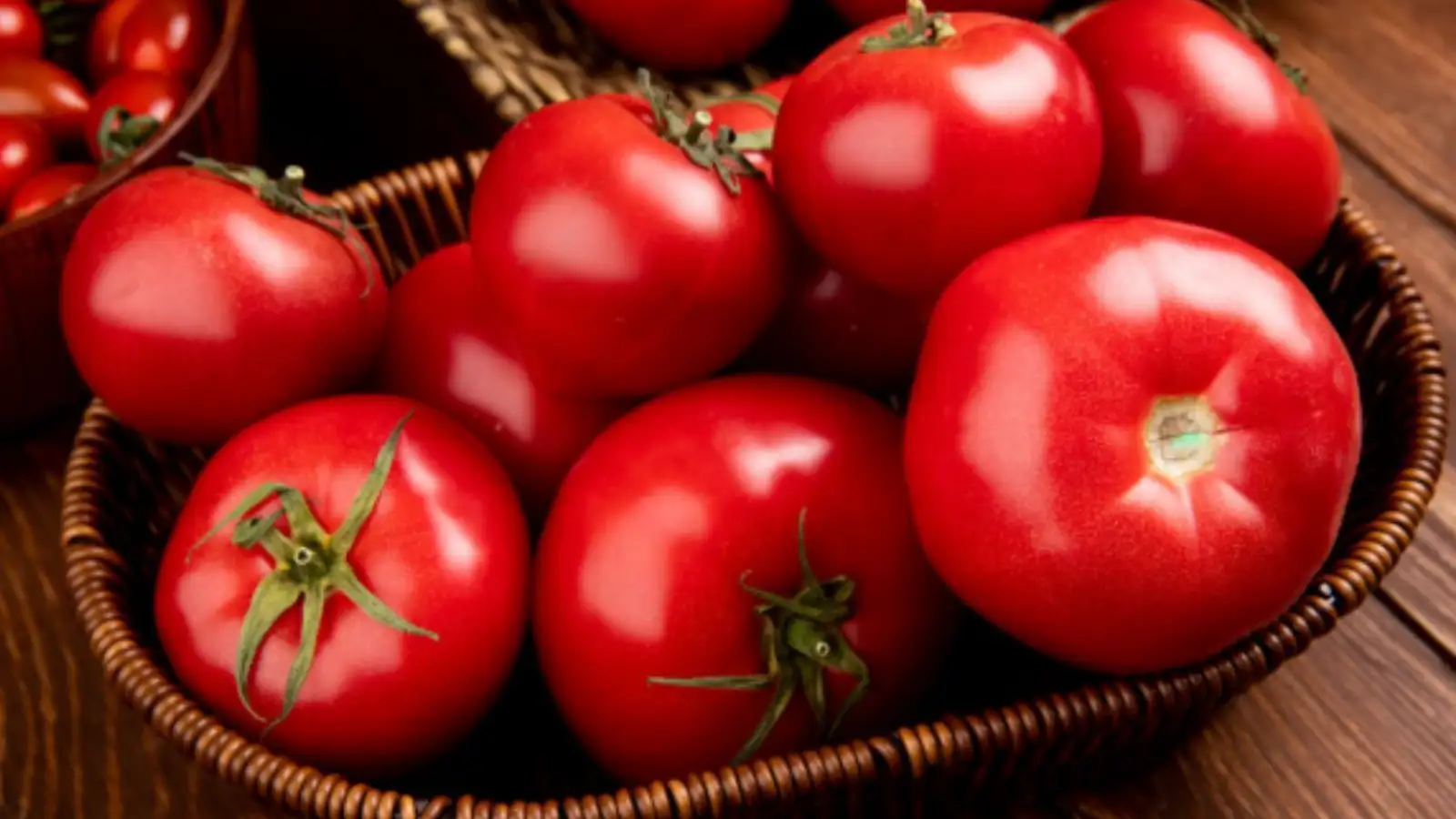
Weather Disruptions Behind Rising Summer Tomato Prices
One of the biggest reasons behind higher summer tomato prices is extreme and unpredictable weather affecting major production zones.
These combined shocks created what experts call a “double whammy” for supply.
According to agricultural analysts, even though supply may stabilise gradually, production is not expected to rise enough to significantly bring prices down.
Supply Shortages and Heavy Dependence on Imports
The United States relies heavily on imported tomatoes, with nearly 90% of fresh supply coming from Mexico. This dependency has made the market especially vulnerable to climate disruptions abroad.
Key supply challenges include:
As a result, reduced availability has directly pushed summer tomato prices upward across retail markets.
Price Surge: How Much More Are Consumers Paying?
Recent data highlights the sharp increase in tomato costs:
Even though there was a slight easing in prices recently, the overall trend remains high, keeping pressure on household grocery budgets.
Climate Change and the Future of Food Inflation
Rising summer tomato prices are not just a short-term issue - they reflect a broader global pattern linked to climate change.
Frequent extreme weather events such as:
are increasingly disrupting agricultural cycles. Economists warn that such shocks could become more common, making food inflation a long-term concern.
Tomatoes are now joining other heavily impacted commodities like coffee and beef, where climate variability has already affected supply and pricing stability.
Trade Policies and Additional Cost Pressures
Apart from weather conditions, several economic factors are also contributing to rising prices:
These combined pressures are tightening supply further, adding to the upward trend in summer tomato prices.
What Consumers Can Expect Next
Experts suggest that while prices may stabilise slightly in the coming months, a significant drop is unlikely unless production rebounds strongly.
For now, shoppers should expect:
The rise in summer tomato prices is the result of a complex mix of climate disruptions, supply dependency, and economic pressures. With extreme weather becoming more frequent, food price instability may continue to affect everyday essentials, keeping tomatoes - and many other staples - expensive for consumers in the foreseeable future.
Weather Disruptions Behind Rising Summer Tomato Prices
One of the biggest reasons behind higher summer tomato prices is extreme and unpredictable weather affecting major production zones.
- Florida experienced an unexpected freeze that damaged crops
- Mexico faced prolonged drought conditions, limiting irrigation water
- Later, unseasonal rains triggered fungal infections in tomato plants
These combined shocks created what experts call a “double whammy” for supply.
According to agricultural analysts, even though supply may stabilise gradually, production is not expected to rise enough to significantly bring prices down.
Supply Shortages and Heavy Dependence on Imports
The United States relies heavily on imported tomatoes, with nearly 90% of fresh supply coming from Mexico. This dependency has made the market especially vulnerable to climate disruptions abroad.
Key supply challenges include:
- Reduced planting in Mexican regions due to water shortages
- Higher production risks during planting seasons
- Disease outbreaks caused by excessive rainfall
As a result, reduced availability has directly pushed summer tomato prices upward across retail markets.
Price Surge: How Much More Are Consumers Paying?
Recent data highlights the sharp increase in tomato costs:
- US tomato prices jumped by around 40% between January and April
- This marks the fastest three-month rise since 2006
- Prices are still over 30% higher than last year
- In parts of Mexico, prices have surged by more than 100% year-on-year
Even though there was a slight easing in prices recently, the overall trend remains high, keeping pressure on household grocery budgets.
Climate Change and the Future of Food Inflation
Rising summer tomato prices are not just a short-term issue - they reflect a broader global pattern linked to climate change.
Frequent extreme weather events such as:
- Heatwaves
- Droughts
- Flooding
are increasingly disrupting agricultural cycles. Economists warn that such shocks could become more common, making food inflation a long-term concern.
Tomatoes are now joining other heavily impacted commodities like coffee and beef, where climate variability has already affected supply and pricing stability.
Trade Policies and Additional Cost Pressures
Apart from weather conditions, several economic factors are also contributing to rising prices:
- Import duties on Mexican produce
- Currency fluctuations affecting farming decisions
- Reduced tomato planting acreage in key regions
These combined pressures are tightening supply further, adding to the upward trend in summer tomato prices.
What Consumers Can Expect Next
Experts suggest that while prices may stabilise slightly in the coming months, a significant drop is unlikely unless production rebounds strongly.
For now, shoppers should expect:
- Continued high retail tomato prices
- Gradual but limited improvement in supply
- Ongoing volatility due to weather patterns
The rise in summer tomato prices is the result of a complex mix of climate disruptions, supply dependency, and economic pressures. With extreme weather becoming more frequent, food price instability may continue to affect everyday essentials, keeping tomatoes - and many other staples - expensive for consumers in the foreseeable future.
Next Story