
10 Fascinating Squirrel Facts That Reveal Their Hidden Intelligence

Squirrel facts often reveal a side of these small animals that many people never notice. Commonly seen darting across roads, climbing trees, or raiding bird feeders, squirrels may seem like ordinary wildlife. However, behind their playful appearance lies a remarkable combination of intelligence, adaptability, and survival skills. From remembering hidden food supplies to outsmarting rivals, these agile creatures have developed fascinating behaviours that help them thrive in a variety of environments.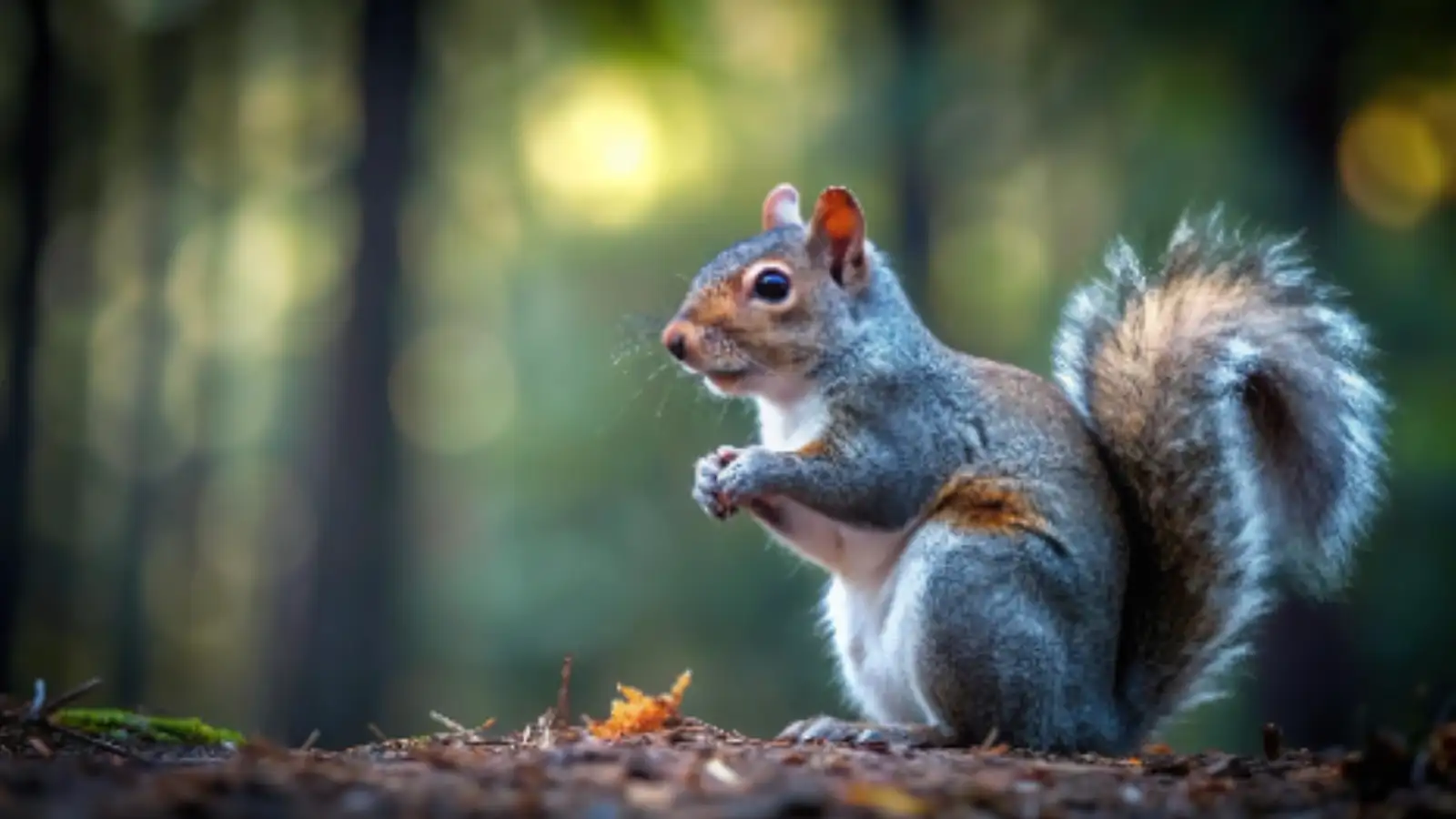
Here are 10 amazing squirrel facts that highlight just how clever these tiny mammals really are.
1. They Can Find Food Hidden Beneath Snow
When winter arrives and food becomes scarce, squirrels rely on their impressive sense of smell to locate buried nuts and seeds. Even under thick layers of snow, they can detect hidden food caches and dig tunnels to retrieve them.
This remarkable ability allows them to survive harsh winters when fresh food sources are difficult to find. Sometimes they recover their own supplies, while at other times they discover food hidden by fellow squirrels.
2. Their Teeth Grow Throughout Their Lives
One of the most interesting squirrel facts is that their front teeth never stop growing. To prevent their teeth from becoming excessively long, squirrels constantly chew on nuts, bark, branches, and other hard materials.
This natural process keeps their teeth at a healthy length and ensures they remain effective for feeding and survival. Without regular gnawing, their teeth could become a serious problem.
3. Food Theft Is Common in the Squirrel World
Squirrels often store food in multiple locations to reduce the risk of losing everything at once. However, these hidden reserves are not always safe.
Other squirrels, birds, and opportunistic animals frequently discover and steal buried food. Since squirrels may create dozens or even hundreds of caches, keeping track of every single hiding spot can be challenging.
4. Zigzag Running Helps Them Escape Predators
Have you ever noticed a squirrel running in a seemingly random pattern? That behaviour is a clever survival tactic.
Instead of sprinting in a straight line, squirrels often move in quick zigzags. This unpredictable motion makes it harder for predators such as hawks and other hunters to calculate their path, increasing the squirrel's chances of escape.
5. They Sometimes Create Fake Food Caches
Squirrels can be surprisingly deceptive when protecting their food. Researchers have observed squirrels pretending to bury food by digging holes and covering them up without actually placing anything inside. These fake caches are believed to confuse potential thieves that may be watching nearby.
This behaviour demonstrates an impressive level of awareness and strategic thinking.
6. Baby Squirrels Start Life Extremely Tiny
Newborn squirrels are astonishingly small, measuring only around an inch in length. At birth, they are completely dependent on their mothers for warmth, food, and protection.
Despite their fragile beginnings, baby squirrels grow quickly and eventually develop the climbing, jumping, and foraging skills that adults are known for.
7. Humans Helped Spread Squirrels in Many Cities
Many people assume squirrels have always been a common sight in urban parks, but that is not entirely true.
In several regions, humans intentionally introduced squirrels into city parks and green spaces. Over time, these adaptable animals successfully established populations and became a familiar part of urban life.
Today, they are among the most recognisable wildlife species in many cities around the world.
8. Their Problem-Solving Skills Are Remarkable
Squirrels are more than just fast climbers. They are also highly resourceful problem-solvers.
Bird feeders often provide a perfect example. People regularly design elaborate barriers to keep squirrels away, yet the animals frequently discover creative ways to bypass obstacles and reach the food.
Their ability to learn from experience and adapt to challenges has contributed greatly to their success.
9. They Gain Weight to Prepare for Winter
As colder weather approaches, squirrels naturally increase their body weight.
The extra fat serves as both insulation and an important energy reserve during periods when food is difficult to find. Combined with their food-storing habits and sheltered nesting areas, this seasonal preparation helps them endure winter conditions more effectively.
10. Forgotten Nuts Help Create New Forests
Not every nut hidden by a squirrel is eventually recovered.
Many forgotten seeds remain underground and begin to germinate, eventually growing into trees. Oak trees, in particular, often benefit from this accidental planting process.
By storing and occasionally forgetting their food supplies, squirrels unknowingly contribute to forest regeneration and the growth of future woodlands.
Why Squirrels Are Nature's Tiny Geniuses
Squirrels may be small, but their behaviour reveals a remarkable level of intelligence and adaptability. Their ability to remember food locations, outsmart competitors, evade predators, and even contribute to forest growth makes them far more than simple backyard visitors.
The next time you spot a squirrel leaping between branches or racing across a park, remember that you're watching one of nature's most resourceful and fascinating survivors in action.
Here are 10 amazing squirrel facts that highlight just how clever these tiny mammals really are.
1. They Can Find Food Hidden Beneath Snow
When winter arrives and food becomes scarce, squirrels rely on their impressive sense of smell to locate buried nuts and seeds. Even under thick layers of snow, they can detect hidden food caches and dig tunnels to retrieve them.
This remarkable ability allows them to survive harsh winters when fresh food sources are difficult to find. Sometimes they recover their own supplies, while at other times they discover food hidden by fellow squirrels.
2. Their Teeth Grow Throughout Their Lives
One of the most interesting squirrel facts is that their front teeth never stop growing. To prevent their teeth from becoming excessively long, squirrels constantly chew on nuts, bark, branches, and other hard materials.
This natural process keeps their teeth at a healthy length and ensures they remain effective for feeding and survival. Without regular gnawing, their teeth could become a serious problem.
3. Food Theft Is Common in the Squirrel World
Squirrels often store food in multiple locations to reduce the risk of losing everything at once. However, these hidden reserves are not always safe.
Other squirrels, birds, and opportunistic animals frequently discover and steal buried food. Since squirrels may create dozens or even hundreds of caches, keeping track of every single hiding spot can be challenging.
4. Zigzag Running Helps Them Escape Predators
Have you ever noticed a squirrel running in a seemingly random pattern? That behaviour is a clever survival tactic.
Instead of sprinting in a straight line, squirrels often move in quick zigzags. This unpredictable motion makes it harder for predators such as hawks and other hunters to calculate their path, increasing the squirrel's chances of escape.
5. They Sometimes Create Fake Food Caches
Squirrels can be surprisingly deceptive when protecting their food. Researchers have observed squirrels pretending to bury food by digging holes and covering them up without actually placing anything inside. These fake caches are believed to confuse potential thieves that may be watching nearby.
This behaviour demonstrates an impressive level of awareness and strategic thinking.
6. Baby Squirrels Start Life Extremely Tiny
Newborn squirrels are astonishingly small, measuring only around an inch in length. At birth, they are completely dependent on their mothers for warmth, food, and protection.
Despite their fragile beginnings, baby squirrels grow quickly and eventually develop the climbing, jumping, and foraging skills that adults are known for.
7. Humans Helped Spread Squirrels in Many Cities
Many people assume squirrels have always been a common sight in urban parks, but that is not entirely true.
In several regions, humans intentionally introduced squirrels into city parks and green spaces. Over time, these adaptable animals successfully established populations and became a familiar part of urban life.
Today, they are among the most recognisable wildlife species in many cities around the world.
8. Their Problem-Solving Skills Are Remarkable
Squirrels are more than just fast climbers. They are also highly resourceful problem-solvers.
Bird feeders often provide a perfect example. People regularly design elaborate barriers to keep squirrels away, yet the animals frequently discover creative ways to bypass obstacles and reach the food.
Their ability to learn from experience and adapt to challenges has contributed greatly to their success.
9. They Gain Weight to Prepare for Winter
As colder weather approaches, squirrels naturally increase their body weight.
The extra fat serves as both insulation and an important energy reserve during periods when food is difficult to find. Combined with their food-storing habits and sheltered nesting areas, this seasonal preparation helps them endure winter conditions more effectively.
10. Forgotten Nuts Help Create New Forests
Not every nut hidden by a squirrel is eventually recovered.
Many forgotten seeds remain underground and begin to germinate, eventually growing into trees. Oak trees, in particular, often benefit from this accidental planting process.
By storing and occasionally forgetting their food supplies, squirrels unknowingly contribute to forest regeneration and the growth of future woodlands.
Why Squirrels Are Nature's Tiny Geniuses
Squirrels may be small, but their behaviour reveals a remarkable level of intelligence and adaptability. Their ability to remember food locations, outsmart competitors, evade predators, and even contribute to forest growth makes them far more than simple backyard visitors.
The next time you spot a squirrel leaping between branches or racing across a park, remember that you're watching one of nature's most resourceful and fascinating survivors in action.
Next Story