
Foods That Can Help Reduce Added Sugar Intake Naturally

Cutting back on added sugar is often easier said than done. Sweet treats, sugary drinks and processed snacks are widely available, making them a regular part of many people's diets. Yet reducing added sugar does not have to mean giving up enjoyable food altogether. In many cases, the secret lies in choosing foods that naturally satisfy hunger, provide steady energy and reduce cravings for sugary snacks. Whole foods rich in protein, fibre and healthy fats can help make this transition feel far less restrictive. By making thoughtful choices throughout the day, it becomes much easier to enjoy a balanced diet without relying heavily on added sugars.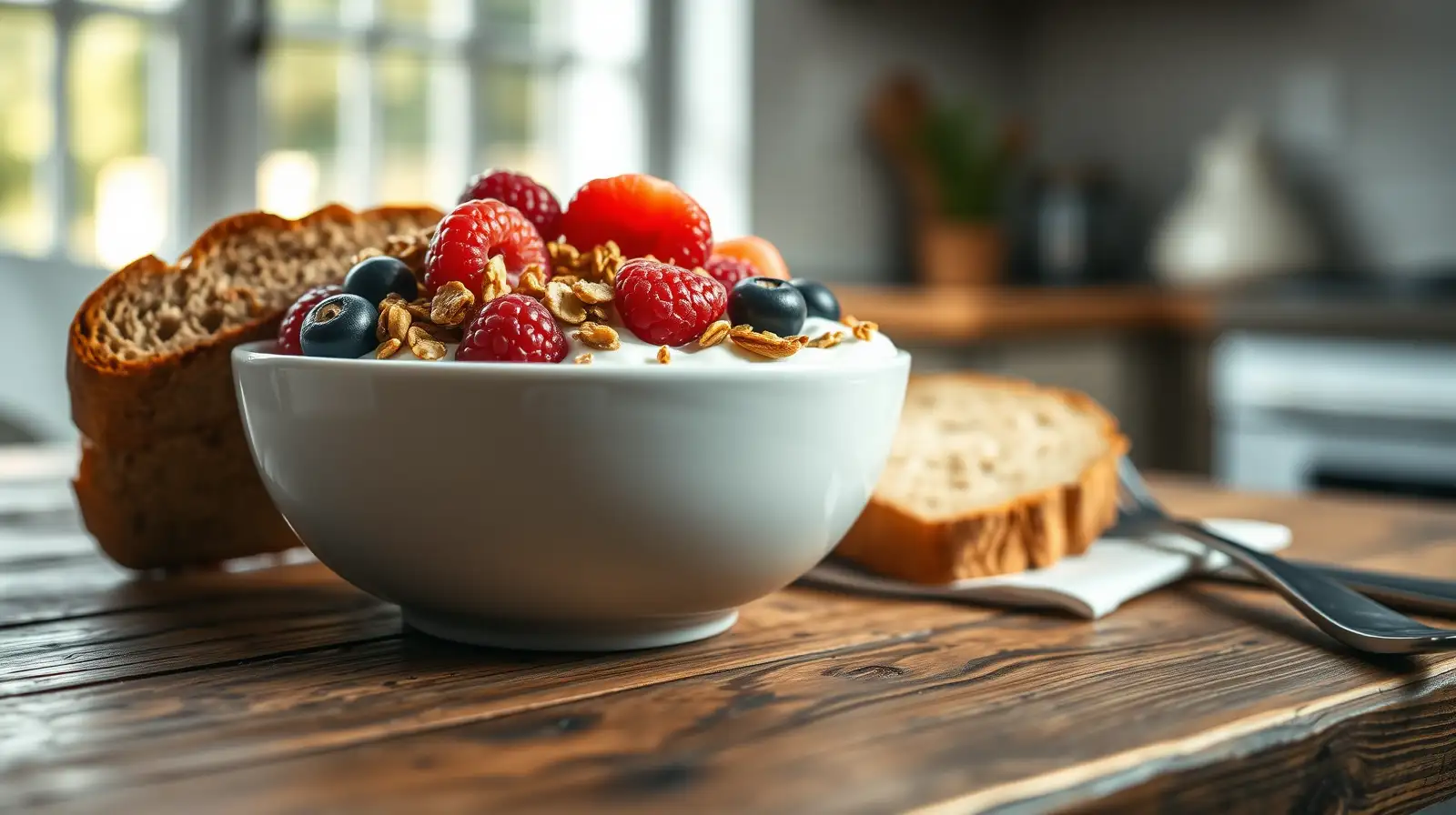
Unlike naturally occurring sugars found in fruit and milk, added sugars contribute extra sweetness without offering the same combination of fibre, vitamins or minerals. Frequent consumption can also lead to energy spikes followed by noticeable dips that encourage further cravings.
The natural sweetness of ripe fruit can also make it easier to replace sugary desserts. A bowl of fresh berries with plain yoghurt, for example, often provides enough sweetness without the need for added sugar.
Interestingly, people who regularly eat fruit often report that highly sweetened foods begin to taste excessively sugary over time as their taste preferences gradually adjust.
Including protein at breakfast can be particularly helpful. A meal based on eggs or natural yoghurt is generally more filling than sugary cereals or pastries, helping to reduce mid-morning cravings.
Oats are a good example. A bowl of porridge topped with nuts and sliced banana offers long-lasting energy while naturally reducing the temptation to snack before lunch.
Pairing healthy fats with fruit, such as apple slices with peanut butter or berries with chopped nuts, creates a balanced snack that satisfies both hunger and sweet cravings.
Why Added Sugar Can Be Difficult to Avoid
Added sugar appears in far more products than many people realise. Beyond sweets and desserts, it is commonly found in breakfast cereals, flavoured yoghurts, sauces, soft drinks and even some savoury foods.Unlike naturally occurring sugars found in fruit and milk, added sugars contribute extra sweetness without offering the same combination of fibre, vitamins or minerals. Frequent consumption can also lead to energy spikes followed by noticeable dips that encourage further cravings.
Fresh Fruit Offers Natural Sweetness
Fruit is one of the easiest ways to satisfy a sweet tooth while reducing added sugar intake. Apples, berries, grapes, mangoes and oranges contain natural sugars alongside fibre, which slows digestion and helps maintain more stable blood sugar levels.The natural sweetness of ripe fruit can also make it easier to replace sugary desserts. A bowl of fresh berries with plain yoghurt, for example, often provides enough sweetness without the need for added sugar.
You may also like
- Essential Hair Growth Tips for Luscious Locks
- When your child says “I can't do it,” avoid saying “You can”; Psychologist explains what to say instead
- Is It Safe For Pregnant Women To Eat Curd at Night?
- 7 indoor plants that may keep cockroaches out of your home
- The Capgemini Day-Care horror exposes the true cost of the Motherhood Penalty
Interestingly, people who regularly eat fruit often report that highly sweetened foods begin to taste excessively sugary over time as their taste preferences gradually adjust.
Protein-Rich Foods Help Control Cravings
Protein helps keep you full for longer, making it less likely that you will reach for sugary snacks between meals. Eggs, Greek yoghurt, cottage cheese, beans, lentils and lean meats all support lasting satisfaction.Including protein at breakfast can be particularly helpful. A meal based on eggs or natural yoghurt is generally more filling than sugary cereals or pastries, helping to reduce mid-morning cravings.
Fibre Supports Steady Energy Levels
Whole grains, vegetables, legumes and nuts provide fibre that slows the release of energy during digestion. This steady supply helps avoid the sudden highs and lows that often trigger a desire for sugary foods.Oats are a good example. A bowl of porridge topped with nuts and sliced banana offers long-lasting energy while naturally reducing the temptation to snack before lunch.
Healthy Fats Can Make Meals More Satisfying
Foods such as avocados, almonds, walnuts, seeds and olive oil contain healthy fats that contribute to feelings of fullness. When meals are satisfying, there is often less desire to seek quick energy from biscuits, confectionery or sweetened drinks.Pairing healthy fats with fruit, such as apple slices with peanut butter or berries with chopped nuts, creates a balanced snack that satisfies both hunger and sweet cravings.
Small Changes Often Lead to Lasting Habits
Reducing added sugar is rarely about willpower alone. It is often the result of building meals around nourishing foods that naturally keep hunger and cravings under control. Fresh fruit, protein-rich ingredients, whole grains, vegetables and healthy fats work together to make balanced eating feel more enjoyable rather than restrictive. Over time, these simple choices can reshape eating habits, allowing natural flavours to take centre stage while making added sugar a much smaller part of everyday life.





Loving Newspoint? Download the app now
