
10 Indoor Plants That Help Reduce Humidity Naturally During the Monsoon

The best indoor plants that naturally reduce excess humidity during monsoon can make your home feel fresher while adding a touch of greenery to your living space. During the rainy season, high humidity often leads to damp walls, musty smells, mould growth and sticky indoor air. While proper ventilation and dehumidifiers remain the most effective solutions, certain houseplants can also help by absorbing moisture from the air as part of their natural growth process. These easy-to-maintain plants not only enhance your home's décor but also create a more comfortable indoor environment throughout the monsoon.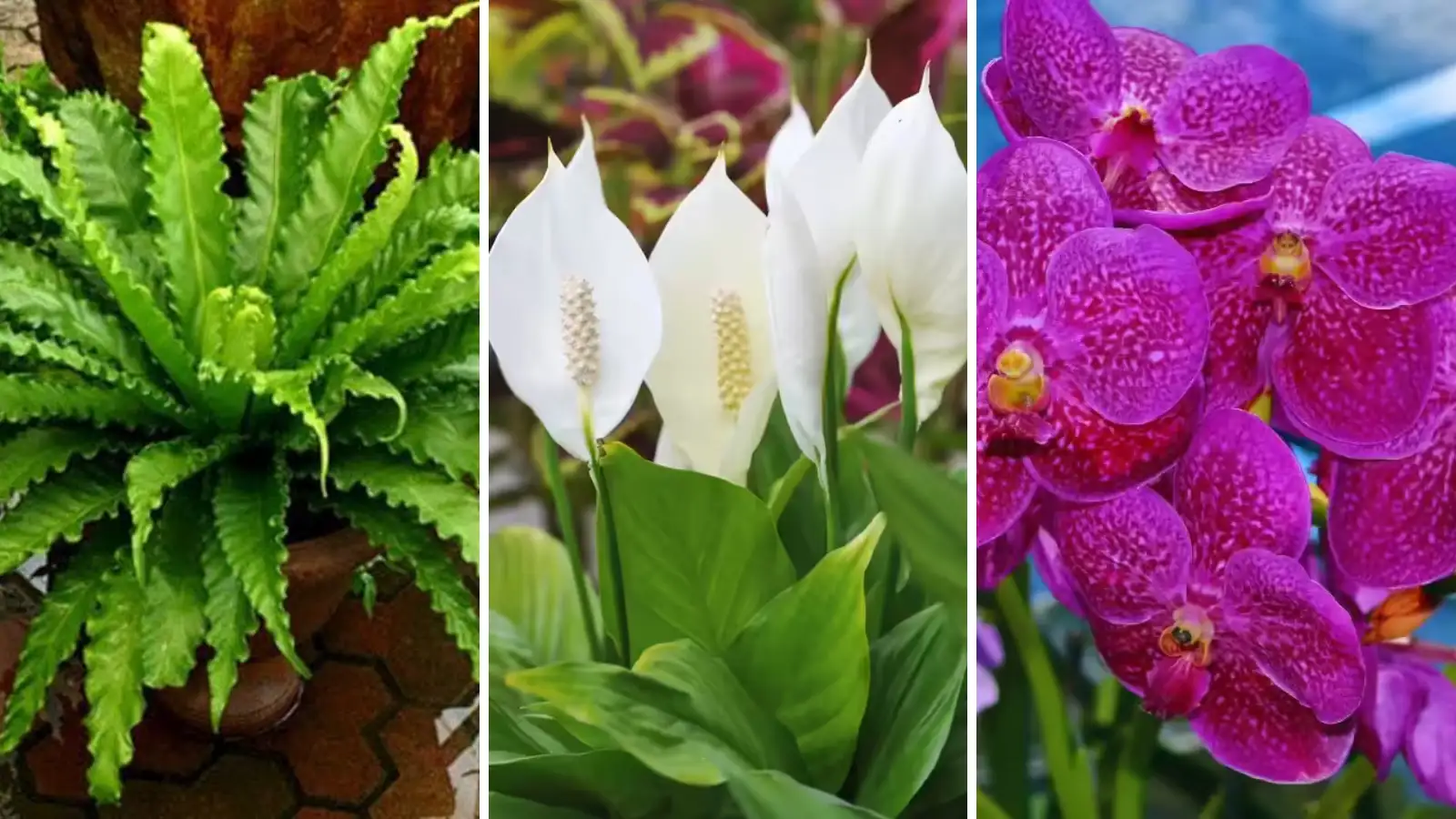
Why Indoor Plants Are Helpful During the Monsoon
Excess humidity indoors can make rooms feel uncomfortable and encourage mould, mildew and unpleasant odours. Some tropical houseplants naturally absorb moisture through their leaves and roots while thriving in humid conditions. Although they cannot replace mechanical dehumidifiers, they can support better indoor air quality when combined with good airflow and regular home maintenance.
Here are some of the best options to consider this rainy season.
1. Peace Lily
The peace lily is one of the most popular indoor plants for humid environments. It flourishes in warm, moisture-rich surroundings and performs well even in rooms with limited direct sunlight. Place it in bright, indirect light for healthier growth and more blooms. Keep the soil slightly moist, but avoid overwatering to prevent root damage.
2. Spider Plant
Spider plants are an excellent choice for beginners because they require very little care. Their graceful, arching leaves make them ideal for hanging baskets, shelves or tabletops. They adapt well to humid conditions and grow rapidly in bright, indirect sunlight. Mature plants also produce baby plantlets that can easily be replanted.
3. Snake Plant
If you're looking for a hardy plant that thrives with minimal attention, the snake plant is a great option. It tolerates varying light conditions, from bright spaces to shaded corners, and needs infrequent watering. Its upright leaves add a modern touch to interiors while making it a dependable companion during humid monsoon months.
4. Boston Fern
Boston ferns love moisture-rich surroundings, making them particularly suitable for the rainy season. Their lush, feathery foliage creates a refreshing indoor atmosphere. They grow best in bright, filtered light and are ideal for kitchens, balconies or well-lit corners where humidity levels remain consistent.
5. Bird's Nest Fern
Recognised for its broad, glossy leaves, the bird's nest fern thrives in humid conditions with low to moderate light. Its attractive rosette-shaped growth adds elegance to shelves and side tables. During the monsoon, the naturally moist air often provides the perfect environment for this fern with minimal additional care.
6. Tillandsia (Air Plant)
Tillandsia, commonly known as the air plant, is unlike most houseplants because it doesn't require soil. Instead, it absorbs moisture and nutrients directly from the surrounding air. Display it on decorative holders, driftwood or wall mounts in areas with gentle airflow and indirect sunlight for best results.
7. Orchid
Orchids naturally grow in tropical regions where humidity is consistently high. They flourish indoors when placed near bright windows that receive filtered sunlight. While these elegant flowering plants enjoy humid air, they should never sit in waterlogged soil, so moderate watering remains essential.
8. Aloe Vera
Although aloe vera is widely known for its soothing medicinal gel, it also adapts well to humid weather. Its thick leaves store water, allowing it to survive with minimal watering. Place it in a bright location with well-draining soil to keep the roots healthy while enjoying its low-maintenance nature.
9. Azalea
Azaleas bring vibrant colour indoors with their beautiful flowers available in shades of pink, white, red and purple. They perform well in warm, humid environments and benefit from morning sunlight and regular watering. The monsoon's naturally moist atmosphere often encourages healthier flowering.
10. Begonia
Begonias are native to tropical climates and comfortably adapt to humid indoor spaces. They are admired for their decorative foliage as well as colourful blooms. Grow them in bright, indirect light with well-draining soil, and they will require relatively little attention throughout the rainy season.
Tips to Get the Best Results From Humidity-Loving Plants
To help these plants perform well during the monsoon:
Adding humidity-loving houseplants to your home is an easy and affordable way to make indoor spaces feel fresher during the rainy season. While they won't replace a dehumidifier, they can naturally complement your efforts to manage excess moisture. From the elegant peace lily to the hardy snake plant and unique air plant, these indoor greens can brighten your home while helping you create a more pleasant living environment throughout the monsoon.
Why Indoor Plants Are Helpful During the Monsoon
Excess humidity indoors can make rooms feel uncomfortable and encourage mould, mildew and unpleasant odours. Some tropical houseplants naturally absorb moisture through their leaves and roots while thriving in humid conditions. Although they cannot replace mechanical dehumidifiers, they can support better indoor air quality when combined with good airflow and regular home maintenance.
Here are some of the best options to consider this rainy season.
1. Peace Lily
The peace lily is one of the most popular indoor plants for humid environments. It flourishes in warm, moisture-rich surroundings and performs well even in rooms with limited direct sunlight. Place it in bright, indirect light for healthier growth and more blooms. Keep the soil slightly moist, but avoid overwatering to prevent root damage.
2. Spider Plant
Spider plants are an excellent choice for beginners because they require very little care. Their graceful, arching leaves make them ideal for hanging baskets, shelves or tabletops. They adapt well to humid conditions and grow rapidly in bright, indirect sunlight. Mature plants also produce baby plantlets that can easily be replanted.
3. Snake Plant
If you're looking for a hardy plant that thrives with minimal attention, the snake plant is a great option. It tolerates varying light conditions, from bright spaces to shaded corners, and needs infrequent watering. Its upright leaves add a modern touch to interiors while making it a dependable companion during humid monsoon months.
4. Boston Fern
Boston ferns love moisture-rich surroundings, making them particularly suitable for the rainy season. Their lush, feathery foliage creates a refreshing indoor atmosphere. They grow best in bright, filtered light and are ideal for kitchens, balconies or well-lit corners where humidity levels remain consistent.
5. Bird's Nest Fern
Recognised for its broad, glossy leaves, the bird's nest fern thrives in humid conditions with low to moderate light. Its attractive rosette-shaped growth adds elegance to shelves and side tables. During the monsoon, the naturally moist air often provides the perfect environment for this fern with minimal additional care.
6. Tillandsia (Air Plant)
Tillandsia, commonly known as the air plant, is unlike most houseplants because it doesn't require soil. Instead, it absorbs moisture and nutrients directly from the surrounding air. Display it on decorative holders, driftwood or wall mounts in areas with gentle airflow and indirect sunlight for best results.
You may also like
- Scenic monsoon bus trips in India: Beautiful routes that should be on every traveller's bucket list
- Happy Friendship Day 2026: Top 50 Wishes, Messages, Quotes, Images, Facebook & Whatsapp status
- High cholesterol: Cholesterol deposited in the heart's arteries will melt away like wax; just include these 3 foods in your diet
- Today is the ITR deadline, but will the last date be extended? The Income Tax Department has given a clear answer..
- SSY Calculation: Invest ₹50 daily to build a fund of ₹8 lakh; secure your daughter's future with this Post Office scheme..
7. Orchid
Orchids naturally grow in tropical regions where humidity is consistently high. They flourish indoors when placed near bright windows that receive filtered sunlight. While these elegant flowering plants enjoy humid air, they should never sit in waterlogged soil, so moderate watering remains essential.
8. Aloe Vera
Although aloe vera is widely known for its soothing medicinal gel, it also adapts well to humid weather. Its thick leaves store water, allowing it to survive with minimal watering. Place it in a bright location with well-draining soil to keep the roots healthy while enjoying its low-maintenance nature.
9. Azalea
Azaleas bring vibrant colour indoors with their beautiful flowers available in shades of pink, white, red and purple. They perform well in warm, humid environments and benefit from morning sunlight and regular watering. The monsoon's naturally moist atmosphere often encourages healthier flowering.
10. Begonia
Begonias are native to tropical climates and comfortably adapt to humid indoor spaces. They are admired for their decorative foliage as well as colourful blooms. Grow them in bright, indirect light with well-draining soil, and they will require relatively little attention throughout the rainy season.
Tips to Get the Best Results From Humidity-Loving Plants
To help these plants perform well during the monsoon:
- Place them where they receive adequate indirect sunlight.
- Avoid overwatering, as excessive moisture can lead to root rot.
- Ensure pots have proper drainage holes.
- Improve air circulation by opening windows whenever weather permits.
- Remove damaged or dead leaves regularly to maintain healthy growth.
Adding humidity-loving houseplants to your home is an easy and affordable way to make indoor spaces feel fresher during the rainy season. While they won't replace a dehumidifier, they can naturally complement your efforts to manage excess moisture. From the elegant peace lily to the hardy snake plant and unique air plant, these indoor greens can brighten your home while helping you create a more pleasant living environment throughout the monsoon.






Loving Newspoint? Download the app now
