
Wildlife Travel: Where to Spot India's Most Massive Birds in the Wild

India's diverse ecosystems support an extraordinary range of wildlife, including more than 1,300 distinct bird species. While eco-tourists often search for small, colorful songbirds or forest hornbills, the country is also home to some of the largest flying birds on Earth. Majestic raptors, massive storks, and tall wetland waders inhabit ecosystems ranging from Himalayan cliffs to open grasslands and sprawling freshwater lakes. Observing these impressive species in their natural habitats provides wildlife enthusiasts with an unforgettable birdwatching experience.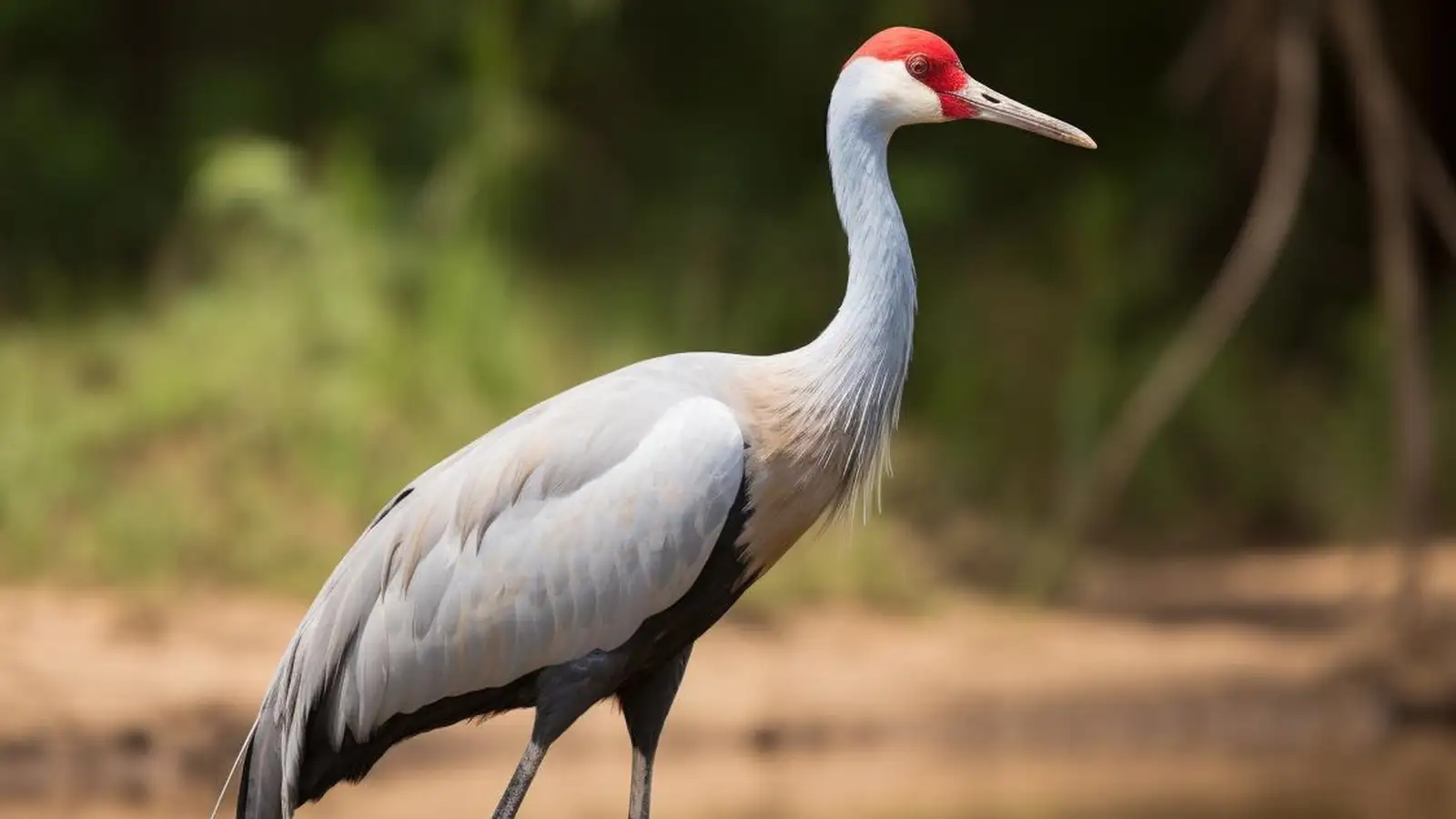
Spotting India's Largest Bird Species
Several giant bird species stand out for their incredible wingspans, tall stature, and unique physical adaptations:- Himalayan Griffon : Holding a massive wingspan reaching up to three meters, this immense vulture glides effortlessly along thermal mountain currents. Birdwatchers can spot these mountain scavengers soaring across high-altitude regions in Ladakh, Spiti Valley, Uttarakhand, and Sikkim.
- Sarus Crane : Reaching heights of up to 1.8 meters, the Sarus Crane is recognized as the tallest flying bird in the world. Famous for its lifelong pair bonds and striking courtship dances, it thrives in protected wetlands such as Keoladeo National Park in Rajasthan and Dudhwa National Park in Uttar Pradesh.
- Great Indian Bustard : Standing over a meter tall and weighing up to fifteen kilograms, this critically endangered species is the heaviest flying bird in India. These ground-dwelling birds inhabit arid grasslands, with remaining populations protected within Rajasthan's Desert National Park and Gujarat's Naliya grasslands.
- Cinereous Vulture & Greater Adjutant: The dark-feathered Cinereous Vulture visits northern plains during winter, displaying a wingspan exceeding 2.8 meters. Meanwhile, the colossal Greater Adjutant stork stands 1.5 meters tall and performs a vital ecological role, with primary strongholds located around Deepor Beel in Assam.
- Dalmatian Pelican & Black-necked Crane: The Dalmatian Pelican winters across major lakes like Chilika in Odisha and Harike in Punjab, recognized by its giant beak pouch. High in the Himalayas, the sacred Black-necked Crane breeds near high-altitude lakes such as Tso Kar and the Changthang Sanctuary in Ladakh.
Tips for Eco-Tourists and Birdwatchers
Visiting these key habitats requires careful planning around seasonal migrations and local weather patterns. Winter months (October to March) offer the best opportunities to see migratory species like pelicans and vultures, while resident cranes and bustards can be observed year-round in protected sanctuaries. Travelers should always prioritize responsible wildlife viewing by maintaining a respectful distance, using high-powered binoculars or telephoto lenses, and supporting local conservation efforts that protect these vital ecosystems.Next Story