
10 Rare Cat Breeds That Exist But Are Almost Never Seen

The world of rare cat breeds is full of fascinating felines that most people will never encounter in real life. While domestic cats are common across households globally, only a small number belong to rare or geographically restricted breeds shaped by isolation, genetics, or highly selective breeding practices.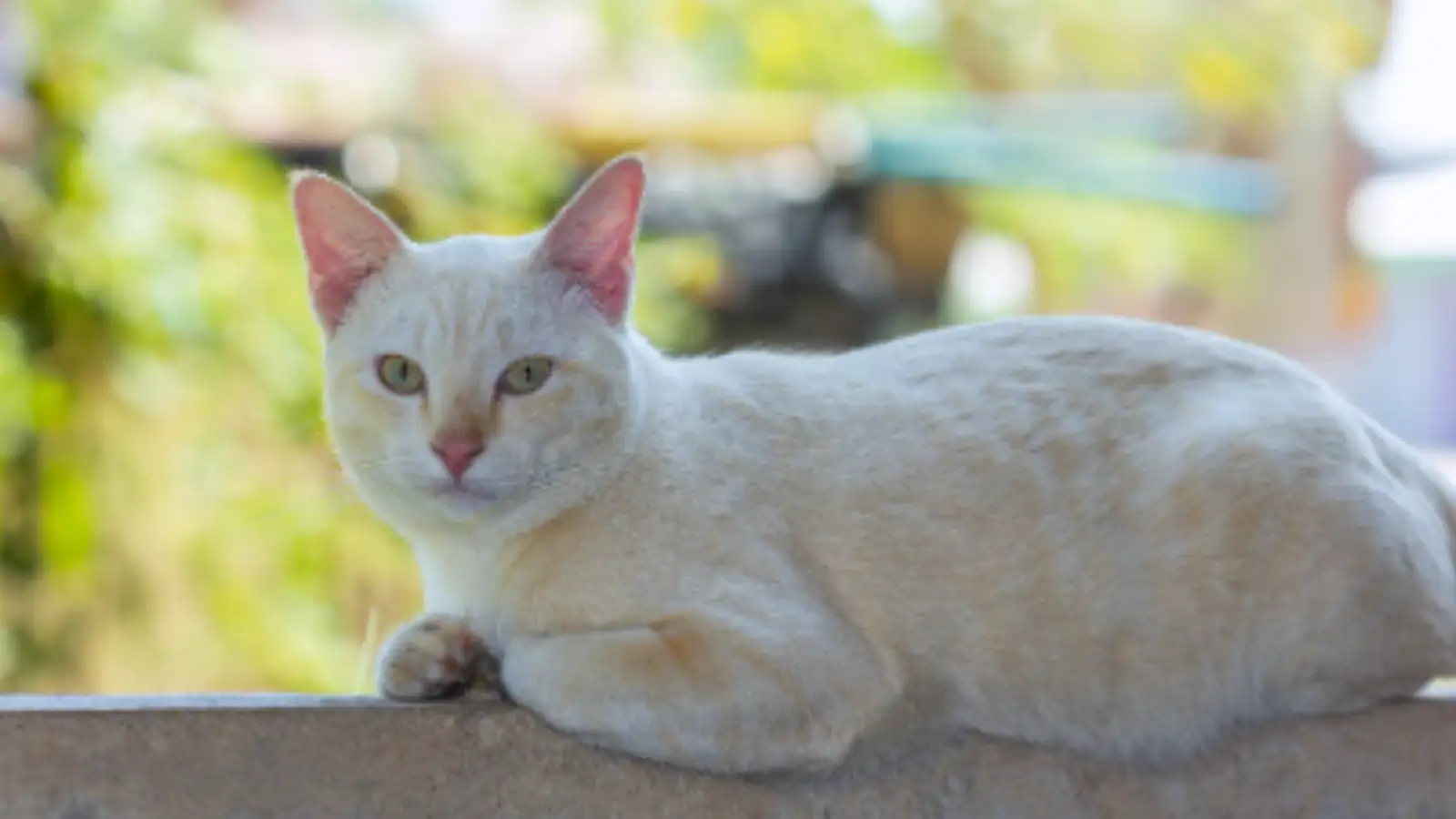
These rare cat breeds often stand out for their unusual looks, unique coats, or cultural significance. Some have ancient royal roots, others are modern genetic surprises, and a few exist only in small breeding populations today. What makes them truly special is not just their appearance, but how limited and carefully preserved they are.
1. Sokoke Cat – The Forest Survivor of Africa
The Sokoke Cat is one of the rarest naturally occurring domestic cats, originating from Kenya’s Arabuko-Sokoke Forest. Unlike many modern breeds, it developed in the wild, resulting in a lean body and camouflaging striped coat. Its population remains extremely limited, mostly maintained through small conservation and breeding programmes.
2. Khao Manee – The Ancient Thai Royal Cat
The Khao Manee is a striking pure-white breed from Thailand, historically associated with royalty and good fortune. Known for its captivating eyes - often blue, gold, or odd-coloured - it remained protected for centuries, which kept it rare outside Southeast Asia.
3. Lykoi – The “Werewolf Cat”
The Lykoi is a naturally occurring genetic mutation that gives it a patchy coat and a wild, wolf-like appearance. Despite its dramatic look, it is affectionate and social. Its rarity comes from the very specific mutation needed for its distinctive coat pattern.
4. Savannah Cat – The Exotic Hybrid Giant
The Savannah Cat is a hybrid breed created by crossing a domestic cat with an African serval. It is tall, athletic, and covered in bold spots, resembling a miniature wild cat. Early-generation Savannah cats are especially rare due to complex breeding requirements and regulations in several regions.
5. Peterbald – The Elegant Hairless Breed
The Peterbald is a sleek and elegant breed developed in Russia through selective breeding involving Oriental Shorthairs. It can range from completely hairless to lightly coated. Its limited global population makes it a rare sight outside specialised breeders.
6. Korat – The Thai Symbol of Luck
The Korat is a beautiful silver-blue cat from Thailand, traditionally believed to bring prosperity and good fortune. With its muscular build and bright green eyes, it stands out instantly. For many years, export restrictions kept it rare outside its homeland.
7. Kurilian Bobtail – The Island Hunter
The Kurilian Bobtail comes from the remote Kuril Islands between Russia and Japan. Its signature short, pom-pom-like tail and strong hunting instincts reflect its isolated island origins. Even today, it remains uncommon globally.
8. American Wirehair – The Unusual Coat Mutation
The American Wirehair originated from a rare spontaneous mutation in the United States. Its distinctive wiry, crimped coat sets it apart from all other domestic cats. Because the mutation is uncommon, breeding lines remain limited.
9. Burmilla – The Accidental Elegant Breed
The Burmilla was created accidentally in the United Kingdom from a cross between a Burmese and a Chinchilla Persian. It is admired for its soft silver coat and gentle temperament, but remains rare due to its relatively recent development and controlled breeding.
10. American Bobtail – The Wild-Looking Companion
The American Bobtail is known for its short tail and lynx-like appearance. Despite its rugged look, it is friendly and affectionate. Its rarity comes from its small breeding population and comparatively recent recognition as a breed.
Why Rare Cat Breeds Are So Uncommon
Rare cat breeds are shaped by a mix of geography, genetics, and human breeding decisions. Some evolved in isolated regions, others emerged from unique mutations, and a few were carefully preserved through selective breeding programs.
What makes these cats especially intriguing is that they are not just visually unique - they also represent rare chapters in feline evolution and human interaction with animals. In a world filled with common domestic cats, these rare breeds remain extraordinary exceptions that most people will only ever read about, not meet in person.
These rare cat breeds often stand out for their unusual looks, unique coats, or cultural significance. Some have ancient royal roots, others are modern genetic surprises, and a few exist only in small breeding populations today. What makes them truly special is not just their appearance, but how limited and carefully preserved they are.
1. Sokoke Cat – The Forest Survivor of Africa
The Sokoke Cat is one of the rarest naturally occurring domestic cats, originating from Kenya’s Arabuko-Sokoke Forest. Unlike many modern breeds, it developed in the wild, resulting in a lean body and camouflaging striped coat. Its population remains extremely limited, mostly maintained through small conservation and breeding programmes.
2. Khao Manee – The Ancient Thai Royal Cat
The Khao Manee is a striking pure-white breed from Thailand, historically associated with royalty and good fortune. Known for its captivating eyes - often blue, gold, or odd-coloured - it remained protected for centuries, which kept it rare outside Southeast Asia.
3. Lykoi – The “Werewolf Cat”
The Lykoi is a naturally occurring genetic mutation that gives it a patchy coat and a wild, wolf-like appearance. Despite its dramatic look, it is affectionate and social. Its rarity comes from the very specific mutation needed for its distinctive coat pattern.
4. Savannah Cat – The Exotic Hybrid Giant
The Savannah Cat is a hybrid breed created by crossing a domestic cat with an African serval. It is tall, athletic, and covered in bold spots, resembling a miniature wild cat. Early-generation Savannah cats are especially rare due to complex breeding requirements and regulations in several regions.
5. Peterbald – The Elegant Hairless Breed
The Peterbald is a sleek and elegant breed developed in Russia through selective breeding involving Oriental Shorthairs. It can range from completely hairless to lightly coated. Its limited global population makes it a rare sight outside specialised breeders.
6. Korat – The Thai Symbol of Luck
The Korat is a beautiful silver-blue cat from Thailand, traditionally believed to bring prosperity and good fortune. With its muscular build and bright green eyes, it stands out instantly. For many years, export restrictions kept it rare outside its homeland.
7. Kurilian Bobtail – The Island Hunter
The Kurilian Bobtail comes from the remote Kuril Islands between Russia and Japan. Its signature short, pom-pom-like tail and strong hunting instincts reflect its isolated island origins. Even today, it remains uncommon globally.
You may also like
- Video: 8-year-old Karnataka boy recites Shiv Tandav Stotram in Shirshasana for 3 minutes 47 seconds, sets world record
- Nashville's Top MICHELIN-Recognised Restaurants and why they should be on your bucket list
- Home Cooling Tips: These plants will keep your home cool from the deadly heat of May. Learn how to plant them.
- African proverb of the day: "No matter how beautiful and well crafted a coffin might look, it will not make anyone wish for death." — the old saying that still says a lot about modern life
- SBI Bank Strike Alert: Banking Services May Face 4-Day Disruption at Month-End
8. American Wirehair – The Unusual Coat Mutation
The American Wirehair originated from a rare spontaneous mutation in the United States. Its distinctive wiry, crimped coat sets it apart from all other domestic cats. Because the mutation is uncommon, breeding lines remain limited.
9. Burmilla – The Accidental Elegant Breed
The Burmilla was created accidentally in the United Kingdom from a cross between a Burmese and a Chinchilla Persian. It is admired for its soft silver coat and gentle temperament, but remains rare due to its relatively recent development and controlled breeding.
10. American Bobtail – The Wild-Looking Companion
The American Bobtail is known for its short tail and lynx-like appearance. Despite its rugged look, it is friendly and affectionate. Its rarity comes from its small breeding population and comparatively recent recognition as a breed.
Why Rare Cat Breeds Are So Uncommon
Rare cat breeds are shaped by a mix of geography, genetics, and human breeding decisions. Some evolved in isolated regions, others emerged from unique mutations, and a few were carefully preserved through selective breeding programs.
What makes these cats especially intriguing is that they are not just visually unique - they also represent rare chapters in feline evolution and human interaction with animals. In a world filled with common domestic cats, these rare breeds remain extraordinary exceptions that most people will only ever read about, not meet in person.






More from our partners


Loving Newspoint? Download the app now
