
10 Rarest Cats on Earth: Wild Cats Few People Ever Get to See

When we talk about the 10 rarest cats on Earth, we step into a hidden world far beyond domestic pets. These extraordinary wild felines live in some of the most remote, extreme, and untouched places on the planet - from frozen mountains and deep rainforests to isolated islands and harsh deserts. Most people will never encounter them in real life, and some are so rare that even scientists struggle to study them. Their survival is becoming increasingly uncertain due to habitat loss, poaching, and climate change, making them powerful symbols of how fragile wildlife truly is today.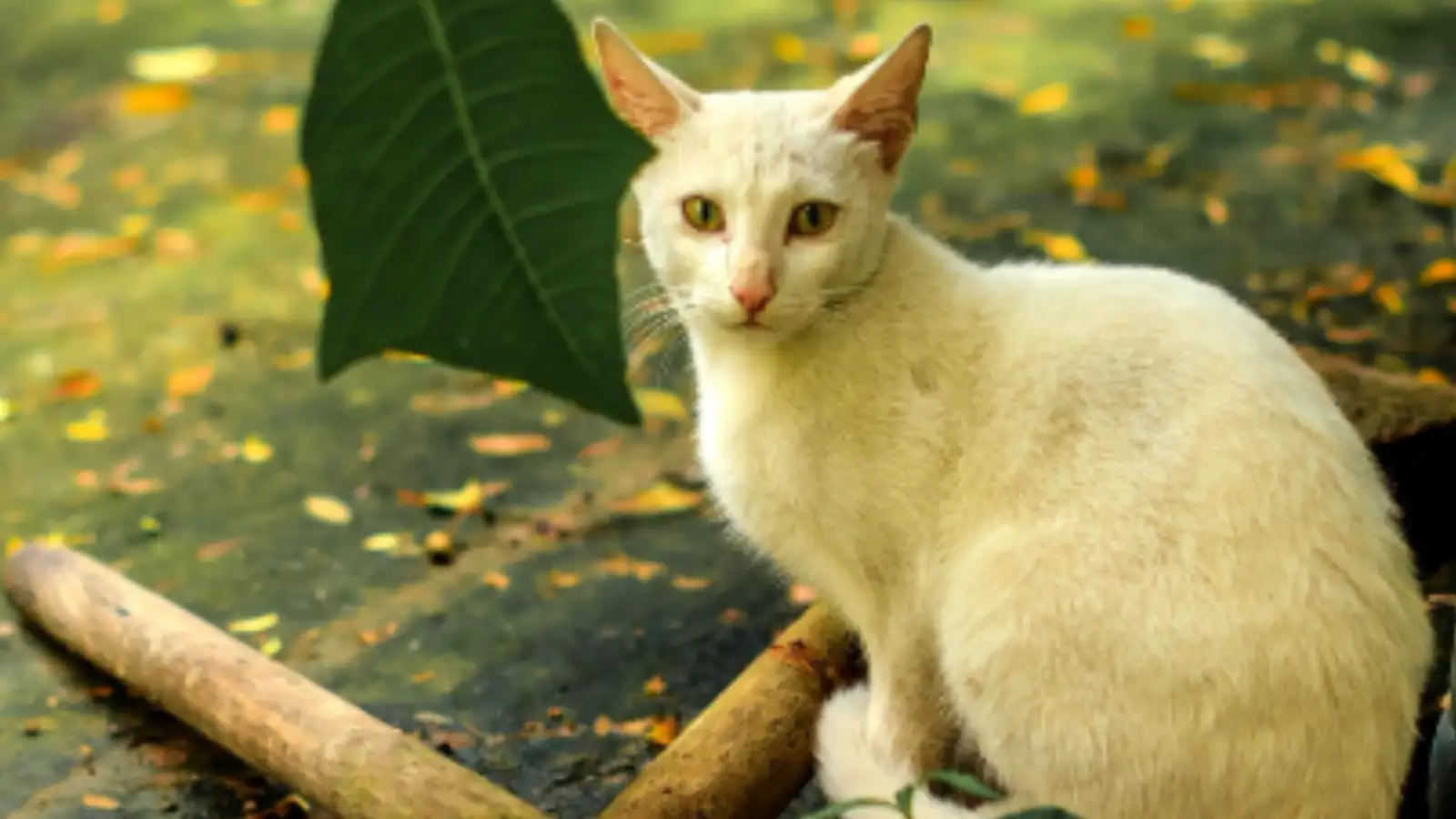
1. Iriomote Cat – The Ghost of a Japanese Island
The Iriomote Cat is often considered one of the rarest wild cats in the world. Found only on Japan’s Iriomote Island, this secretive predator lives deep in mangrove forests and dense vegetation. With fewer than 100 believed to exist, sightings are extremely rare. Human activity, tourism, and road expansion continue to threaten its already fragile habitat.
2. Amur Leopard – The Frozen Forest Hunter
The Amur Leopard is one of the most endangered big cats on the planet. Living in the cold forests of Russia and China, it is known for its thick, beautifully patterned coat designed for icy conditions. Despite conservation efforts, it remains critically endangered due to poaching and habitat destruction.
3. Arabian Leopard – The Desert Phantom
Once widespread across the Arabian Peninsula, the Arabian Leopard now survives only in isolated mountainous regions. With fewer than a couple of hundred left, it has become incredibly difficult to spot. Human expansion and declining prey populations have pushed this desert predator close to extinction.
4. Snow Leopard – The Silent Mountain Ghost
The Snow Leopard is famously called the “ghost of the mountains” due to its elusive nature. Found across Central and South Asia, it thrives in steep, freezing landscapes. Despite its adaptations, it faces serious threats from poaching and climate change, making sightings extremely rare.
5. Borneo Bay Cat – The Forgotten Mystery
The Borneo Bay Cat is one of the least understood wild cats in existence. Native only to the island of Borneo, it was once lost to science for decades after its discovery. Rapid deforestation and logging continue to destroy its rainforest home, keeping it shrouded in mystery.
6. Iberian Lynx – Europe’s Rare Wild Survivor
The Iberian Lynx is one of the rarest cats in Europe. Found mainly in Spain and Portugal, it nearly went extinct due to habitat loss and declining rabbit populations. Conservation efforts have helped its numbers slowly recover, but it remains highly vulnerable.
7. Andean Mountain Cat – The High-Altitude Enigma
Living in the remote Andes mountains of South America, the Andean Mountain Cat is rarely seen even by locals. It is perfectly adapted to harsh, high-altitude environments, but its population remains extremely low and poorly studied.
8. Sand Cat – The Desert Specialist
The Sand Cat is a small wild feline adapted to survive in extreme desert conditions. Found in parts of North Africa, the Middle East, and Central Asia, it can endure scorching heat and survive without direct water sources. Despite this resilience, it remains rare and difficult to track.
9. Fishing Cat – The Wetland Hunter
The Fishing Cat is a unique wild feline that thrives in wetlands and mangroves across South and Southeast Asia. Unlike most cats, it is an excellent swimmer. However, rapid wetland destruction and urban expansion have severely reduced its population.
10. Flat-Headed Cat – The Tiny Rainforest Mystery
Native to parts of Malaysia, Thailand, and Indonesia, the Flat-Headed Cat is one of the least known wild cats. Its small size and secretive nature make it extremely difficult to observe. Habitat destruction continues to be its biggest threat.
Why These Rare Cats Matter
The 10 rarest cats on Earth are not just fascinating animals - they are indicators of the health of our ecosystems. Each species tells a story of survival against overwhelming odds. Protecting them means protecting entire habitats, countless other species, and the natural balance of our planet. Their rarity is a warning - and a responsibility we cannot ignore.
1. Iriomote Cat – The Ghost of a Japanese Island
The Iriomote Cat is often considered one of the rarest wild cats in the world. Found only on Japan’s Iriomote Island, this secretive predator lives deep in mangrove forests and dense vegetation. With fewer than 100 believed to exist, sightings are extremely rare. Human activity, tourism, and road expansion continue to threaten its already fragile habitat.
2. Amur Leopard – The Frozen Forest Hunter
The Amur Leopard is one of the most endangered big cats on the planet. Living in the cold forests of Russia and China, it is known for its thick, beautifully patterned coat designed for icy conditions. Despite conservation efforts, it remains critically endangered due to poaching and habitat destruction.
3. Arabian Leopard – The Desert Phantom
Once widespread across the Arabian Peninsula, the Arabian Leopard now survives only in isolated mountainous regions. With fewer than a couple of hundred left, it has become incredibly difficult to spot. Human expansion and declining prey populations have pushed this desert predator close to extinction.
4. Snow Leopard – The Silent Mountain Ghost
The Snow Leopard is famously called the “ghost of the mountains” due to its elusive nature. Found across Central and South Asia, it thrives in steep, freezing landscapes. Despite its adaptations, it faces serious threats from poaching and climate change, making sightings extremely rare.
You may also like
- How to Relieve Sore Nipples During Pregnancy and Breastfeeding: Practical Tips
- M&S £26 jeans branded 'the best' for comfort all-day long by shoppers
- This small cafe in Hyderabad feels like a mini Kerala food street
- Titanic Survivor's Legacy and Celebrity Transformations: A Look at Recent Revelations
- PPF Funds: Unable to arrange money during an emergency? The funds lying in your PPF account will come to your rescue..
5. Borneo Bay Cat – The Forgotten Mystery
The Borneo Bay Cat is one of the least understood wild cats in existence. Native only to the island of Borneo, it was once lost to science for decades after its discovery. Rapid deforestation and logging continue to destroy its rainforest home, keeping it shrouded in mystery.
6. Iberian Lynx – Europe’s Rare Wild Survivor
The Iberian Lynx is one of the rarest cats in Europe. Found mainly in Spain and Portugal, it nearly went extinct due to habitat loss and declining rabbit populations. Conservation efforts have helped its numbers slowly recover, but it remains highly vulnerable.
7. Andean Mountain Cat – The High-Altitude Enigma
Living in the remote Andes mountains of South America, the Andean Mountain Cat is rarely seen even by locals. It is perfectly adapted to harsh, high-altitude environments, but its population remains extremely low and poorly studied.
8. Sand Cat – The Desert Specialist
The Sand Cat is a small wild feline adapted to survive in extreme desert conditions. Found in parts of North Africa, the Middle East, and Central Asia, it can endure scorching heat and survive without direct water sources. Despite this resilience, it remains rare and difficult to track.
9. Fishing Cat – The Wetland Hunter
The Fishing Cat is a unique wild feline that thrives in wetlands and mangroves across South and Southeast Asia. Unlike most cats, it is an excellent swimmer. However, rapid wetland destruction and urban expansion have severely reduced its population.
10. Flat-Headed Cat – The Tiny Rainforest Mystery
Native to parts of Malaysia, Thailand, and Indonesia, the Flat-Headed Cat is one of the least known wild cats. Its small size and secretive nature make it extremely difficult to observe. Habitat destruction continues to be its biggest threat.
Why These Rare Cats Matter
The 10 rarest cats on Earth are not just fascinating animals - they are indicators of the health of our ecosystems. Each species tells a story of survival against overwhelming odds. Protecting them means protecting entire habitats, countless other species, and the natural balance of our planet. Their rarity is a warning - and a responsibility we cannot ignore.






More from our partners


Loving Newspoint? Download the app now
