
3 Indian Ornaments and Their Meaning: The Hidden Stories Behind Timeless Traditions

3 Indian ornaments and their meaning go far beyond their visual appeal. From the elegant nose ring to the melodious anklet and the symbolic toe ring, these traditional accessories have been woven into India's cultural fabric for centuries. They represent heritage, marital customs, family values and personal identity. Although many of the traditional beliefs surrounding these ornaments come from Ayurveda and folklore rather than modern science, their emotional and cultural importance remains as strong as ever. Here's a closer look at the fascinating stories behind three of India's most iconic ornaments.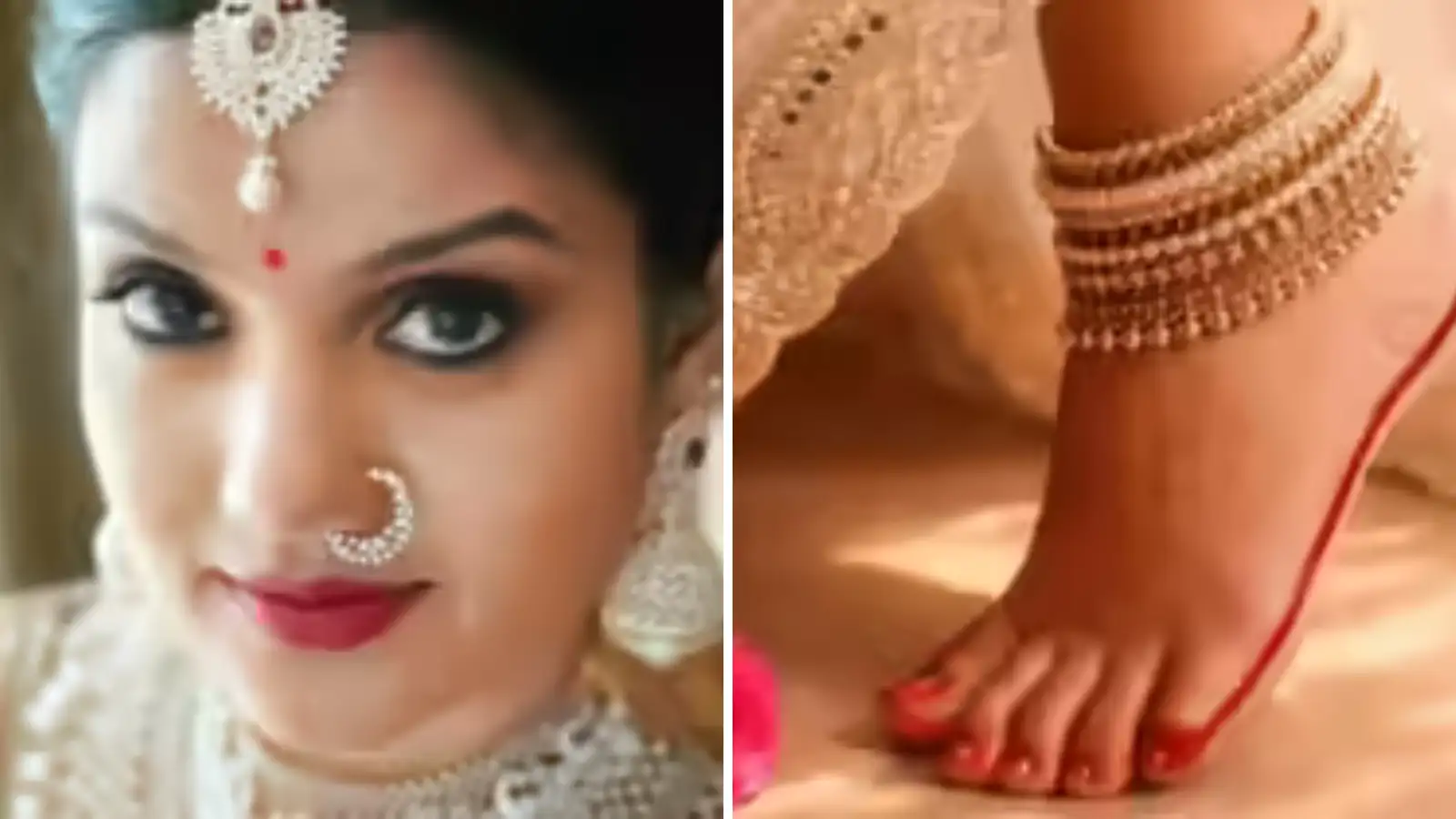
Nose Ring: A Symbol of Grace, Heritage and New Beginnings
The nose ring, popularly known as the nath, is one of India's most recognisable traditional ornaments. While it enhances a woman's appearance, it also carries deep cultural significance.
For generations, brides have worn elaborate nose rings during wedding ceremonies to mark the beginning of married life. In many communities, it symbolises beauty, prosperity and family honour. Traditional Ayurvedic beliefs associate piercing the left nostril with women's reproductive health and childbirth. However, modern medical research has not established scientific evidence to support these claims.
Today, the nose ring has evolved into a stylish accessory that effortlessly combines cultural pride with contemporary fashion.
Anklets: The Gentle Sound of Tradition
Silver anklets, or payal, have been cherished in Indian households for centuries. Their soft jingling sound was traditionally believed to announce a woman's arrival while adding warmth and elegance to everyday life.
Unlike gold, which is regarded as sacred and traditionally not worn below the waist, silver has long been the preferred metal for anklets. Some traditional beliefs suggest that the gentle movement of anklets may help improve circulation, although there is no conclusive scientific evidence to confirm this.
Modern fashion has transformed anklets into versatile accessories that pair beautifully with both ethnic and western outfits without losing their cultural charm.
Toe Rings: A Timeless Symbol of Marriage
Toe rings, commonly known as bichiya, remain one of the strongest symbols of marriage in Indian tradition. They are usually gifted to brides during wedding ceremonies, signifying commitment, responsibility and the beginning of a new phase in life.
According to traditional beliefs, silver toe rings may stimulate specific nerve points linked to women's reproductive health. While these ideas continue to be respected in many families, modern medicine has not validated these claims.
Regardless of scientific evidence, toe rings continue to represent love, marital status and cultural identity for millions of married women across India.
Tradition, Ayurveda and Science: Understanding the Beliefs
Many customs associated with these ornaments originate from centuries-old Ayurvedic practices and cultural traditions rather than clinical research.
Beliefs relating to fertility, reproductive health or improved blood circulation have been passed down through generations and continue to hold emotional value within many families. However, current scientific studies have not found sufficient evidence to confirm these health benefits.
Their lasting significance lies less in medical claims and more in the sense of identity, belonging and continuity they offer.
Why These Traditional Ornaments Remain Popular Today
Modern Indian women embrace these ornaments for a variety of reasons. Some wear them to honour family traditions, while others appreciate their elegant and minimalist appeal.
A delicate nose pin, sleek silver anklet or simple toe ring blends effortlessly with contemporary fashion. Social media trends, celebrity influence and changing style preferences have also helped these age-old ornaments become everyday fashion statements rather than accessories reserved only for weddings and festivals.
For many, wearing them is a celebration of both individuality and cultural roots.
Family Heirlooms That Carry Generations of Memories
These ornaments often hold emotional value that far exceeds their material worth. Passed down from mothers and grandmothers to daughters, they become treasured family heirlooms.
Every inherited piece reflects memories of weddings, festivals, blessings and important life milestones. Even as designs evolve with changing times, the stories and emotions attached to them remain unchanged.
This deep personal connection is one of the biggest reasons these traditions continue to thrive.
More Than Jewellery: Symbols of India's Living Heritage
Nose rings, anklets and toe rings are much more than decorative accessories. They embody centuries of customs, relationships, faith and cultural identity that continue to shape Indian traditions today.
Whether chosen for heritage, marriage, personal expression or fashion, these timeless ornaments continue to connect generations with India's rich cultural legacy. Their true beauty lies not only in their craftsmanship but also in the stories, memories and traditions they preserve, proving that even the smallest pieces of jewellery can carry extraordinary meaning.
Nose Ring: A Symbol of Grace, Heritage and New Beginnings
The nose ring, popularly known as the nath, is one of India's most recognisable traditional ornaments. While it enhances a woman's appearance, it also carries deep cultural significance.
For generations, brides have worn elaborate nose rings during wedding ceremonies to mark the beginning of married life. In many communities, it symbolises beauty, prosperity and family honour. Traditional Ayurvedic beliefs associate piercing the left nostril with women's reproductive health and childbirth. However, modern medical research has not established scientific evidence to support these claims.
Today, the nose ring has evolved into a stylish accessory that effortlessly combines cultural pride with contemporary fashion.
Anklets: The Gentle Sound of Tradition
Silver anklets, or payal, have been cherished in Indian households for centuries. Their soft jingling sound was traditionally believed to announce a woman's arrival while adding warmth and elegance to everyday life.
Unlike gold, which is regarded as sacred and traditionally not worn below the waist, silver has long been the preferred metal for anklets. Some traditional beliefs suggest that the gentle movement of anklets may help improve circulation, although there is no conclusive scientific evidence to confirm this.
Modern fashion has transformed anklets into versatile accessories that pair beautifully with both ethnic and western outfits without losing their cultural charm.
Toe Rings: A Timeless Symbol of Marriage
Toe rings, commonly known as bichiya, remain one of the strongest symbols of marriage in Indian tradition. They are usually gifted to brides during wedding ceremonies, signifying commitment, responsibility and the beginning of a new phase in life.
According to traditional beliefs, silver toe rings may stimulate specific nerve points linked to women's reproductive health. While these ideas continue to be respected in many families, modern medicine has not validated these claims.
Regardless of scientific evidence, toe rings continue to represent love, marital status and cultural identity for millions of married women across India.
Tradition, Ayurveda and Science: Understanding the Beliefs
Many customs associated with these ornaments originate from centuries-old Ayurvedic practices and cultural traditions rather than clinical research.
Beliefs relating to fertility, reproductive health or improved blood circulation have been passed down through generations and continue to hold emotional value within many families. However, current scientific studies have not found sufficient evidence to confirm these health benefits.
Their lasting significance lies less in medical claims and more in the sense of identity, belonging and continuity they offer.
Why These Traditional Ornaments Remain Popular Today
Modern Indian women embrace these ornaments for a variety of reasons. Some wear them to honour family traditions, while others appreciate their elegant and minimalist appeal.
You may also like
- Has social media changed how we feel pain?
- ITR Filing Update: ITR filing schedule changed; find out the deadline for each category of taxpayer..
- Bollywood stars can't resist this 150-year-old camera in Jaipur
- The Importance of Combining Lentils with Grains for Complete Nutrition
- Psychology says that individuals who travel with family tend to exhibit higher emotional resilience, stronger social bonding, and better overall well-being
A delicate nose pin, sleek silver anklet or simple toe ring blends effortlessly with contemporary fashion. Social media trends, celebrity influence and changing style preferences have also helped these age-old ornaments become everyday fashion statements rather than accessories reserved only for weddings and festivals.
For many, wearing them is a celebration of both individuality and cultural roots.
Family Heirlooms That Carry Generations of Memories
These ornaments often hold emotional value that far exceeds their material worth. Passed down from mothers and grandmothers to daughters, they become treasured family heirlooms.
Every inherited piece reflects memories of weddings, festivals, blessings and important life milestones. Even as designs evolve with changing times, the stories and emotions attached to them remain unchanged.
This deep personal connection is one of the biggest reasons these traditions continue to thrive.
More Than Jewellery: Symbols of India's Living Heritage
Nose rings, anklets and toe rings are much more than decorative accessories. They embody centuries of customs, relationships, faith and cultural identity that continue to shape Indian traditions today.
Whether chosen for heritage, marriage, personal expression or fashion, these timeless ornaments continue to connect generations with India's rich cultural legacy. Their true beauty lies not only in their craftsmanship but also in the stories, memories and traditions they preserve, proving that even the smallest pieces of jewellery can carry extraordinary meaning.






More from our partners


Loving Newspoint? Download the app now
