
The Ultimate Driving Test: 4 Breathtaking Indian Highways First-Time Drivers Should Avoid

Social media is full of cinematic travel videos showing open highways, windows rolled down, and flawless landscapes unfolding at every turn. But in a geographically diverse country like India, driving isn't always a relaxing escape.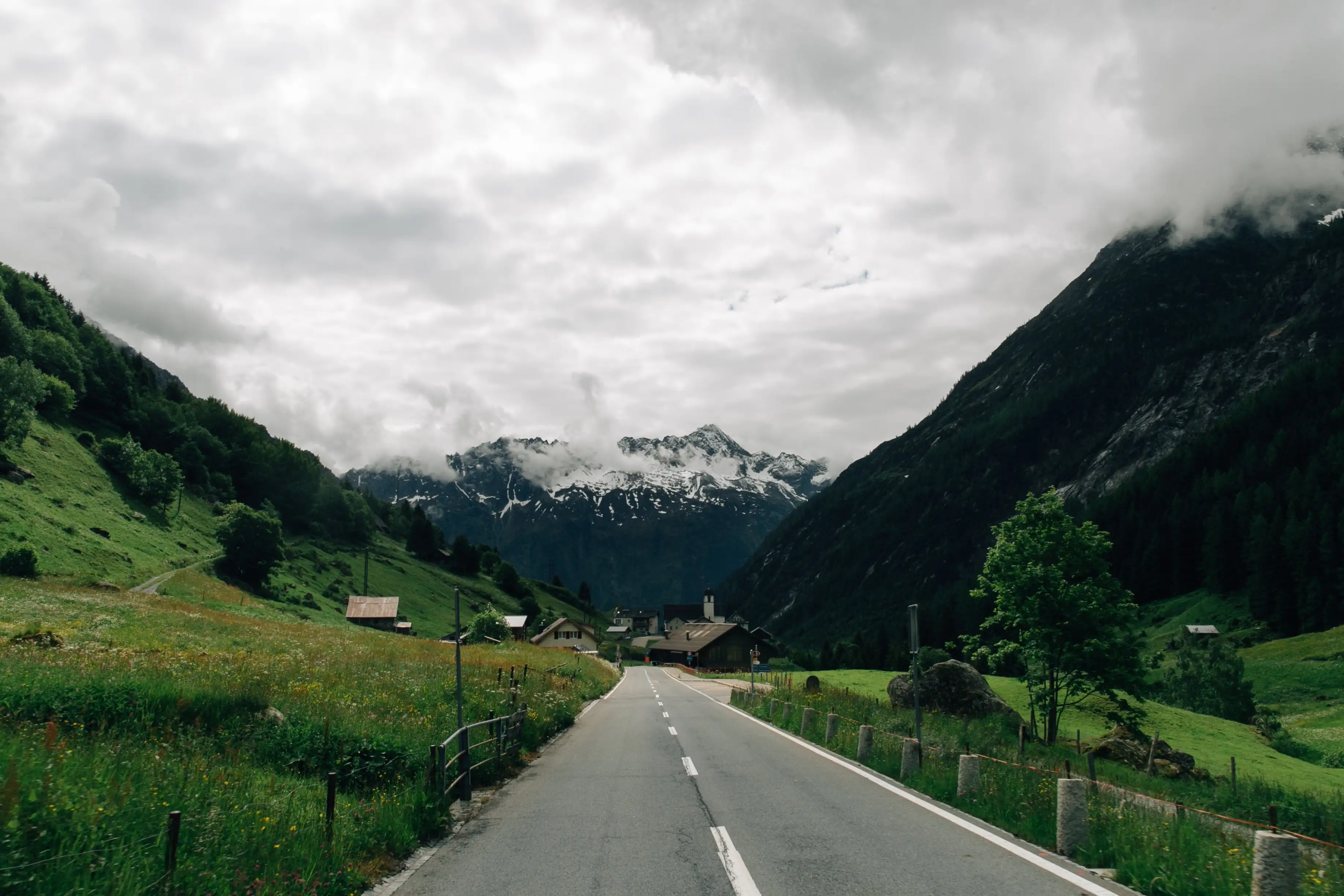
The country's most spectacular routes often double as its most treacherous terrains. Characterized by single-lane cliff roads, extreme high-altitude mountain passes, and fast-changing weather conditions, four specific road trips stand out as bucket-list adventures that should strictly be avoided by first-time or inexperienced drivers.
However, beneath the beauty lies an incredibly punishing drive. Drivers must navigate rough, unpaved sections, deep water crossings created by rapidly melting glaciers, and long stretches with zero network coverage or fuel stations. Furthermore, crossing passes above 13,000 feet means dealing with lower oxygen levels, which can cause severe physical fatigue and slower reaction times behind the wheel.
This stretch consists of incredibly narrow dirt tracks cut directly into massive vertical rock faces, featuring sheer drops on one side and no guardrails. Unpredictable weather changes, sudden afternoon blizzards, and unexpected mudslides can stall traffic for hours or turn the narrow path into a slippery, high-risk zone requiring flawless clutch and brake control.
The roads are exceptionally narrow, leaving barely enough room for two vehicles to pass each other. Maneuvering a car around blind corners while managing oncoming local state transport buses requires advanced spatial awareness and years of hill-driving practice.
The Risk of Rockfalls The Kinnaur region is highly prone to shooting stones and major landslides, especially during afternoon hours when the sun melts high-altitude ice, loosening rocks above. Drivers must stay hyper-alert to the sounds of the mountain and know exactly when to accelerate or halt safely.
While the geometric precision of the loops looks incredible from an airplane view, driving it is mentally exhausting. The endless, sharp corners require constant gear shifting and perfect steering rhythm. To make things more complicated, the entire valley is prone to sudden, thick blankets of sea-level mist and heavy fog, dropping driver visibility down to less than a meter within a matter of minutes.
The country's most spectacular routes often double as its most treacherous terrains. Characterized by single-lane cliff roads, extreme high-altitude mountain passes, and fast-changing weather conditions, four specific road trips stand out as bucket-list adventures that should strictly be avoided by first-time or inexperienced drivers.
1. The Manali–Leh Highway
Few routes enjoy the legendary status of the Manali–Leh highway. Cutting through the heart of the majestic Himalayas, this drive treats travelers to otherworldly sights—from massive snow walls to stark, high-altitude deserts.However, beneath the beauty lies an incredibly punishing drive. Drivers must navigate rough, unpaved sections, deep water crossings created by rapidly melting glaciers, and long stretches with zero network coverage or fuel stations. Furthermore, crossing passes above 13,000 feet means dealing with lower oxygen levels, which can cause severe physical fatigue and slower reaction times behind the wheel.
2. The Srinagar–Leh Highway
Often described as a living postcard, the Srinagar-Leh highway winds through emerald valleys and dramatic northern mountain ridges. The true test of this highway arrives at the notorious Zoji La Pass.You may also like
- Think pink: Why is electric fuchsia dominating the 2026 FIFA World Cup?
- PFRDA Launches AI-Powered Pension Grievance Portal With Support for 22 Indian Languages
- ITR Filing 2026: New Form Changes Every Taxpayer Must Know Before Submitting a Return
- Earn money from the comfort of your home! Learn how to find safe freelance jobs for women and students..
- Built on conviction: Street Visionaries and the new architecture of Gulf fashion
This stretch consists of incredibly narrow dirt tracks cut directly into massive vertical rock faces, featuring sheer drops on one side and no guardrails. Unpredictable weather changes, sudden afternoon blizzards, and unexpected mudslides can stall traffic for hours or turn the narrow path into a slippery, high-risk zone requiring flawless clutch and brake control.
3. The Kinnaur–Spiti Route (Himachal Pradesh)
This journey takes travelers deep into the cold deserts of Himachal Pradesh, running alongside massive cliff-hanging roads. The region is famous for its "half-tunneling" roads, where engineers have literally carved paths into the sides of giant mountains, leaving solid rock roofs hanging over your vehicle.The roads are exceptionally narrow, leaving barely enough room for two vehicles to pass each other. Maneuvering a car around blind corners while managing oncoming local state transport buses requires advanced spatial awareness and years of hill-driving practice.
The Risk of Rockfalls The Kinnaur region is highly prone to shooting stones and major landslides, especially during afternoon hours when the sun melts high-altitude ice, loosening rocks above. Drivers must stay hyper-alert to the sounds of the mountain and know exactly when to accelerate or halt safely.
4. The Zuluk Loop (Sikkim)
Located in East Sikkim, the historic Old Silk Route includes the breathtaking Zuluk Loop, a mind-boggling network of over 30 consecutive hairpin turns winding up the steep slopes of the Eastern Himalayas.While the geometric precision of the loops looks incredible from an airplane view, driving it is mentally exhausting. The endless, sharp corners require constant gear shifting and perfect steering rhythm. To make things more complicated, the entire valley is prone to sudden, thick blankets of sea-level mist and heavy fog, dropping driver visibility down to less than a meter within a matter of minutes.






More from our partners


Loving Newspoint? Download the app now
