
5 Mind-Blowing Cheetah Facts Most People Have Never Heard Of

The cheetah stands as one of the most visually striking and structurally distinct predators roaming the global savanna. To the casual observer, their reputation is built entirely on a single, mind-boggling metric: the ability to accelerate from zero to sixty miles per hour in a mere three seconds, outpacing most modern sports cars. However, viewing the cheetah solely through the lens of raw velocity overlooks a complex tapestry of evolutionary adaptations. Every single physical attribute of this magnificent big cat is a masterclass in biological engineering, operating on strict trade-offs where physical strength is sacrificed to achieve absolute aerodynamic efficiency.
Unlike almost every other member of the felid family, cheetahs possess claws that are semi-retractable. Rather than sheathing their claws inside protective muscular pockets to keep them razor-sharp for grasping or climbing, a cheetah’s claws remain permanently exposed: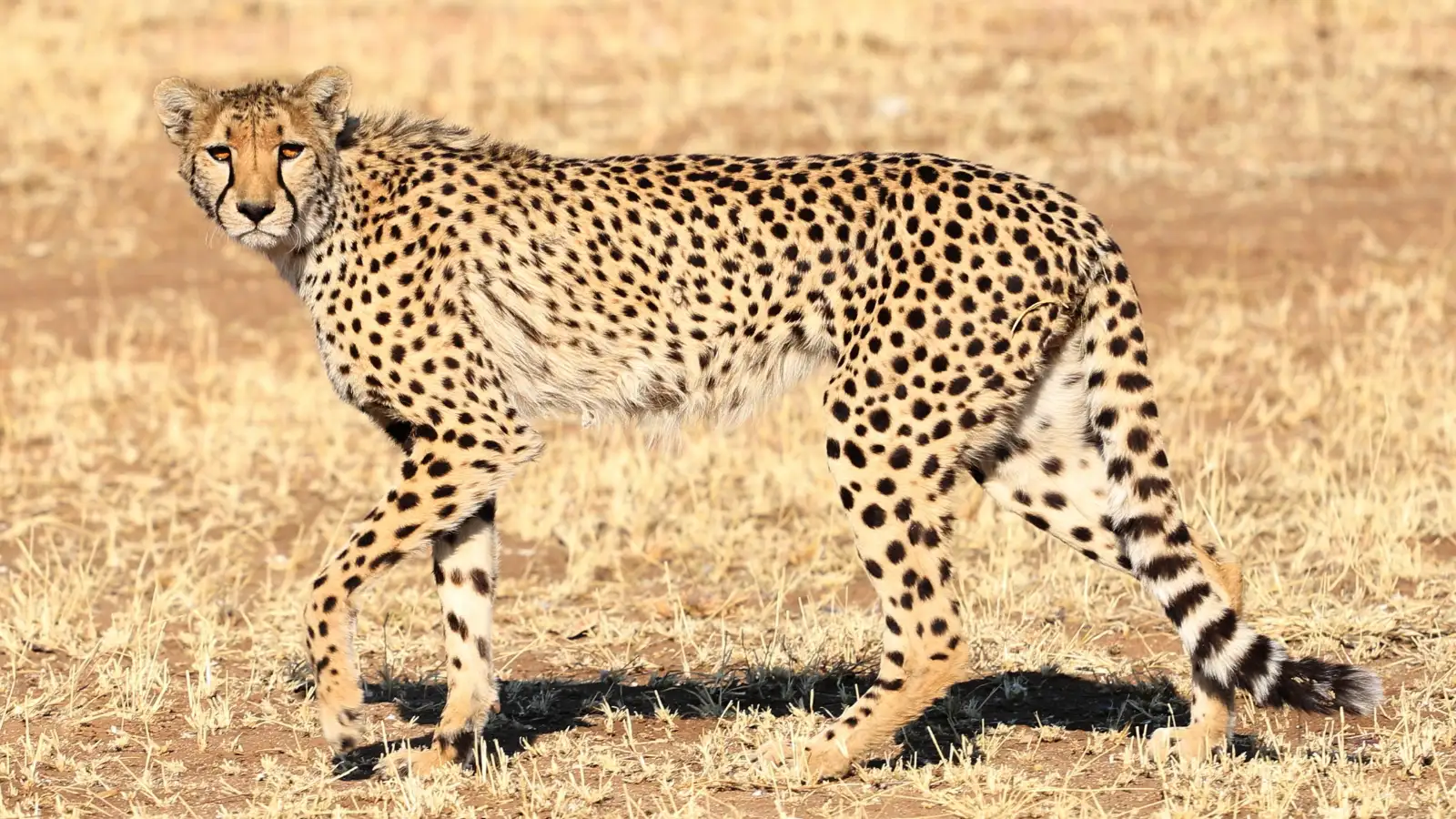
Cheetahs lack this anatomical structure, placing them firmly within the Felinae subfamily. Instead of roaring, they communicate using an array of remarkably gentle sounds, including high-pitched bird-like chirps, staccato barks, and deep, resonant purrs when relaxing together.
1. The Mechanics of Non-Retractable Traction
Unlike almost every other member of the felid family, cheetahs possess claws that are semi-retractable. Rather than sheathing their claws inside protective muscular pockets to keep them razor-sharp for grasping or climbing, a cheetah’s claws remain permanently exposed:- Natural Athletic Footwear: This structural anomaly allows the claws to function precisely like the cleat studs on an athlete's track shoe.
- High-Speed Maneuverability: During intense, high-velocity pursuits, these exposed claws dig deeply into the compact turf, providing instantaneous traction that prevents the cat from slipping or losing footing when making sharp, tight-angled turns at maximum velocity.
2. The Aerodynamic Stabilizer Tail
When observing a cheetah navigating a hunting sprint, the frantic, highly coordinated movement of its long, muscular tail immediately stands out. Far from being a passive ornament, the tail acts as a vital structural rudder during a chase. As a panicked prey item abruptly veers left or right to escape, the cheetah swings its heavy tail in the exact opposite direction. This rapid counter-weight motion generates massive aerodynamic leverage, neutralizing centrifugal forces and allowing the cat to execute sharp, physics-defying turns mid-sprint without losing its balance or rolling over.3. The Vocal Distinction: Purrs Over Roars
A surprising biological reality that frequently catches wildlife enthusiasts off guard is that cheetahs cannot roar. True big cats such as lions, tigers, leopards, and jaguars possess a flexible, partially ossified hyoid bone and a specialized vocal fold layout that enables deep, booming vocalizations designed to terrify rivals.You may also like
- Parents tie young son to door frame to 'Make Him Taller'; Viral video sparks outrage and debate over harmful parenting myths
- Harnessing Natural Ingredients for Radiant Skin
- DU Admission 2026: DU launches admissions for one-year PG programs for the first time; register by July 11..
- Foods You Should Never Reheat for Better Health
- Optimal Dinner Timing for Weight Loss and Better Health
Cheetahs lack this anatomical structure, placing them firmly within the Felinae subfamily. Instead of roaring, they communicate using an array of remarkably gentle sounds, including high-pitched bird-like chirps, staccato barks, and deep, resonant purrs when relaxing together.
4. Natural Sun Glare Protection
The iconic black facial markings that trail from the inner corners of a cheetah’s eyes down to the edges of its mouth are far more than a beautiful aesthetic trait. Known as "tear lines," these dark facial stripes serve a highly functional, anti-glare purpose. Operating exactly like the black grease-paint smudged beneath the eyes of professional sports players, these dark paths absorb intense, blinding sunlight. This natural facial shield prevents glare from compromising the predator's vision, allowing them to maintain sharp, unhindered binocular focus on distant prey across wide, shimmering plains during high-noon hunts.5. A Sprint Restricted by Thermal Limits
The final, crucial limitation of the cheetah's world-class velocity is its extreme lack of cardiovascular endurance. A cheetah hunt is a short-lived explosion of energy, rarely lasting longer than sixty seconds or exceeding a physical distance of a few hundred meters. The sheer friction and muscular exertion of the sprint generate immense, volatile internal body heat. If a hunt goes on for too long, the cat's core temperature can quickly spike to dangerous levels, causing severe heat exhaustion and organ stress. Consequently, if a cheetah fails to capture its target within the first fleeting moments of a chase, it must abruptly abandon the pursuit to seek immediate shade and cool down, leaving it highly vulnerable to scavenging competitors.





Loving Newspoint? Download the app now
