5 Animals That Spend Most Of Their Day Doing Nothing

In nature, inactivity can be a superpower. While humans obsess over productivity, some animals have embraced a slower, energy-efficient lifestyle that helps them survive and thrive in their environments.
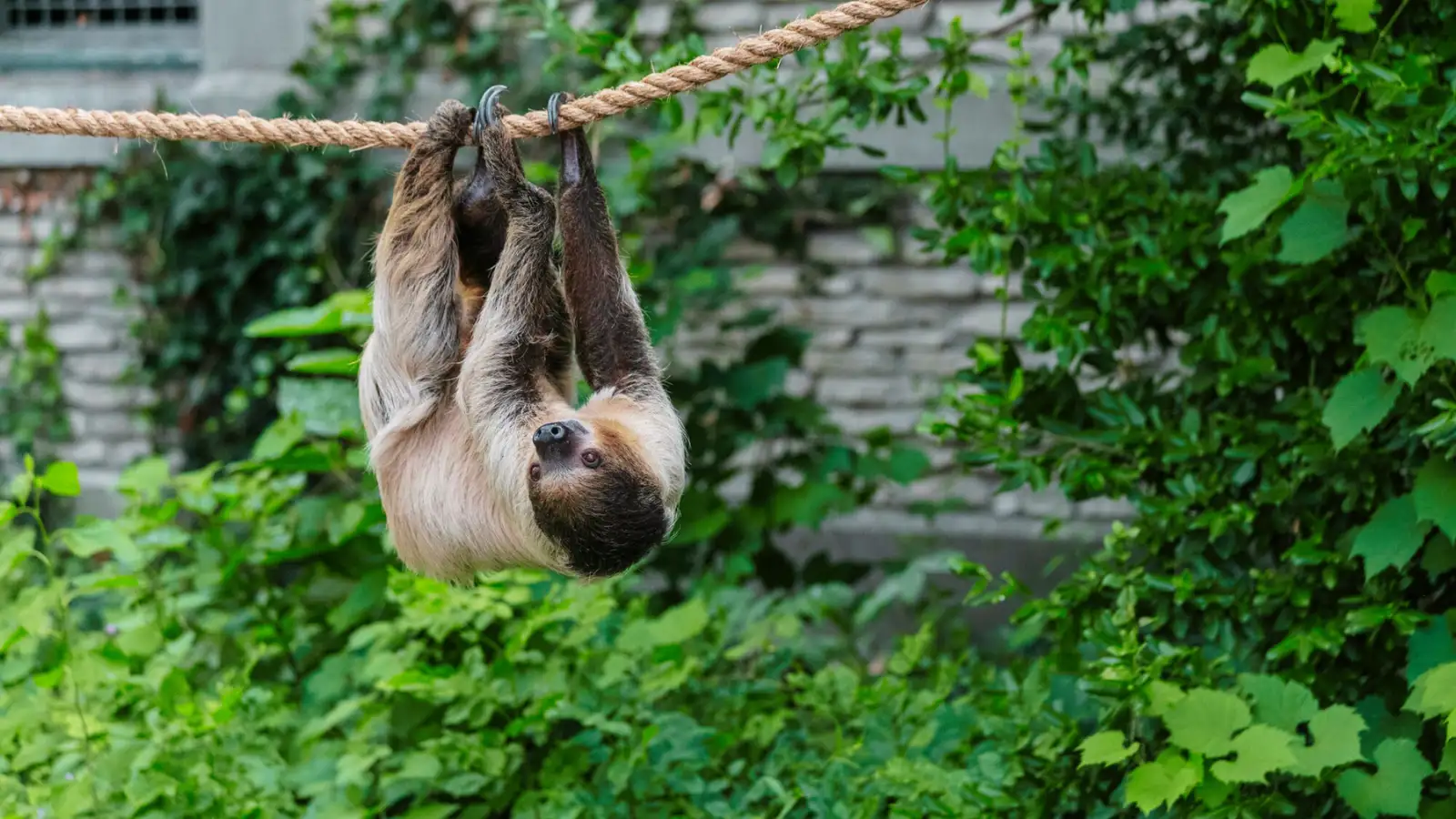
1. Sloths
Sloths are the ultimate minimalists. Spending 15–20 hours a day sleeping, they move only when absolutely necessary. Their slow metabolism and low-calorie leaf diet make inactivity essential, allowing them to avoid predators while blending seamlessly into the forest canopy.
2. Koalas
Koalas sleep 18–22 hours daily, conserving energy from their low-nutrient eucalyptus diet. Their routine is simple: sleep, eat, and slowly move from tree to tree. This minimalist lifestyle helps them survive in the Australian forests without expending unnecessary energy.
3. Sea Cucumbers
Sea cucumbers spend most of their lives lying on the ocean floor, filtering sand for nutrients. Their passive lifestyle includes a unique defence mechanism: ejecting internal organs to escape predators and regenerating them later. Their calm approach to life is both survival strategy and efficiency in motion or lack thereof.
4. Lions
Despite being apex predators, male lions rest 16–20 hours a day. They conserve energy while lionesses hunt for the pride. This strategic inactivity allows lions to unleash short bursts of power when hunting or defending territory, ensuring they survive in the energy-demanding savannah.
5. Toads
Toads are experts in patience. Many species remain perfectly still for hours or even days, ambushing prey that comes too close. Their stillness is an efficient hunting strategy and a way to conserve energy outside breeding seasons.
Nature teaches us that doing less can sometimes be the smartest choice. These animals remind us that inactivity, when aligned with survival needs, is a powerful evolutionary tool.
1. Sloths
Sloths are the ultimate minimalists. Spending 15–20 hours a day sleeping, they move only when absolutely necessary. Their slow metabolism and low-calorie leaf diet make inactivity essential, allowing them to avoid predators while blending seamlessly into the forest canopy. 2. Koalas
Koalas sleep 18–22 hours daily, conserving energy from their low-nutrient eucalyptus diet. Their routine is simple: sleep, eat, and slowly move from tree to tree. This minimalist lifestyle helps them survive in the Australian forests without expending unnecessary energy.3. Sea Cucumbers
Sea cucumbers spend most of their lives lying on the ocean floor, filtering sand for nutrients. Their passive lifestyle includes a unique defence mechanism: ejecting internal organs to escape predators and regenerating them later. Their calm approach to life is both survival strategy and efficiency in motion or lack thereof. 4. Lions
Despite being apex predators, male lions rest 16–20 hours a day. They conserve energy while lionesses hunt for the pride. This strategic inactivity allows lions to unleash short bursts of power when hunting or defending territory, ensuring they survive in the energy-demanding savannah.5. Toads
Toads are experts in patience. Many species remain perfectly still for hours or even days, ambushing prey that comes too close. Their stillness is an efficient hunting strategy and a way to conserve energy outside breeding seasons. Nature teaches us that doing less can sometimes be the smartest choice. These animals remind us that inactivity, when aligned with survival needs, is a powerful evolutionary tool.
Next Story