
5 Best Breathing Techniques for Anxiety: Simple Exercises to Stay Calm During a Stressful Day

Breathing techniques for anxiety are among the simplest and most effective ways to regain calm when stress strikes unexpectedly. Whether you're juggling deadlines, attending back-to-back meetings, or feeling overwhelmed by daily responsibilities, a few minutes of mindful breathing can help ease tension, slow your heart rate, and improve focus. The best part? These exercises require no equipment and can be practised almost anywhere. Here are five expert-recommended breathing techniques that can help you feel more relaxed and in control whenever anxiety starts to build.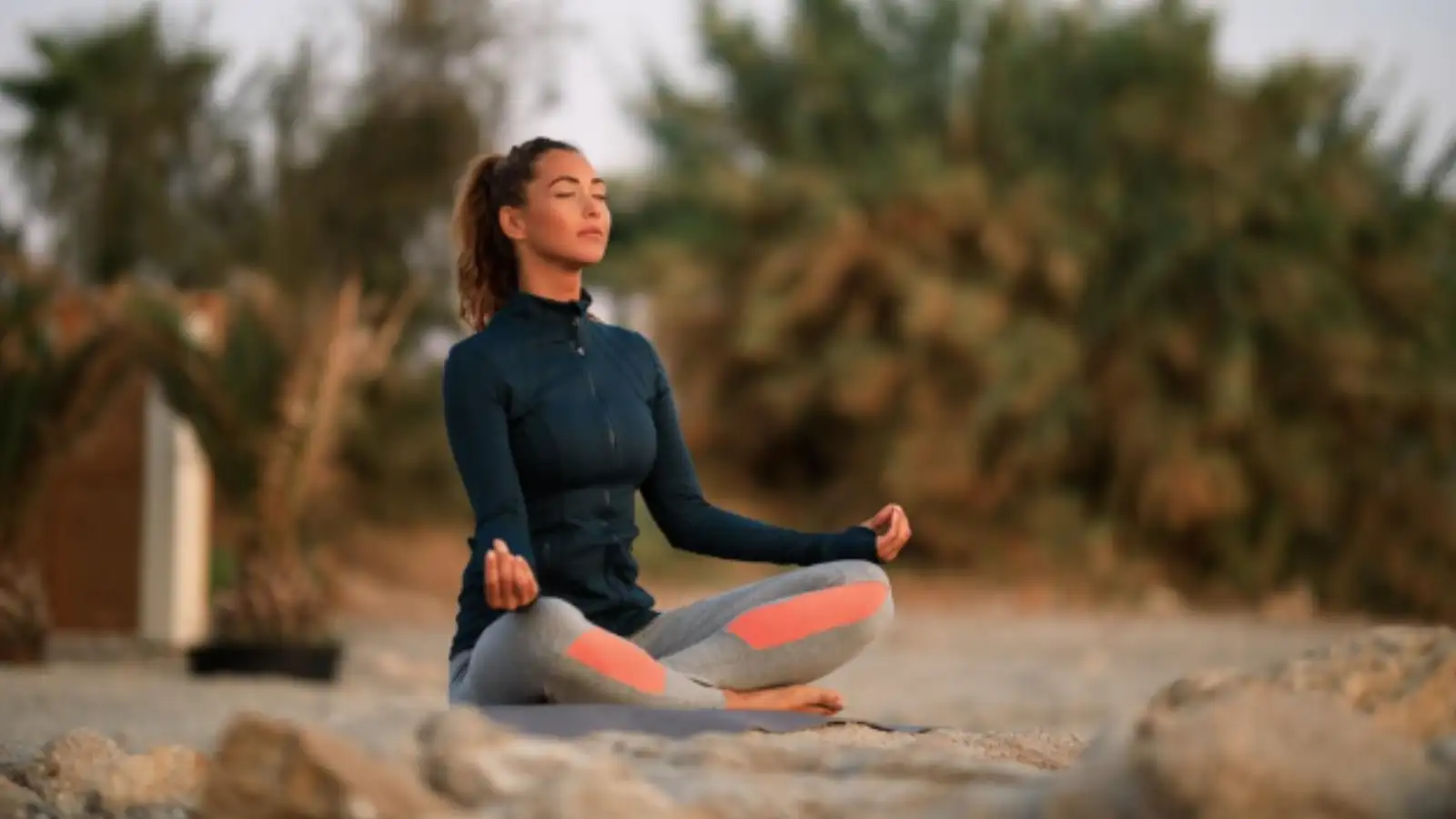
Why Breathing Exercises Work for Anxiety
When anxiety kicks in, the body's stress response speeds up your breathing and heart rate. Controlled breathing helps activate the body's relaxation response, encouraging your nervous system to shift from "fight or flight" mode into a calmer state. With regular practice, these simple techniques can improve emotional balance and make it easier to handle stressful situations.
1. Diaphragmatic (Belly) Breathing
Also known as belly breathing , this technique encourages deeper breaths by engaging the diaphragm instead of shallow chest breathing. It helps reduce stress hormones, lowers heart rate, and promotes a sense of calm.
How to practise:
2. Box Breathing (4-4-8 Method)
Box breathing helps create a steady breathing rhythm that can interrupt racing thoughts and bring your attention back to the present moment.
How to practise:
3. 4-7-8 Relaxing Breath
This popular breathing method combines slow inhalation, breath-holding, and a long exhale to encourage deep relaxation. It's especially useful when anxiety makes it difficult to unwind.
How to practise:
4. Resonant (Coherent) Breathing
Resonant breathing focuses on maintaining a slow and even breathing rhythm, which may improve emotional regulation and support a calmer state of mind.
How to practise:
5. Alternate Nostril Breathing (Nadi Shodhana)
This traditional breathing practice is believed to promote balance within the nervous system while improving concentration and reducing anxious feelings.
How to practise:
Expert Advice: Sometimes One Deep Breath Is Enough
According to clinical psychologist Prachi Narkar, anxiety often appears during the busiest moments of the day—while working under pressure, meeting deadlines, or attending important meetings. She emphasises that although stressful situations may be unavoidable, your breathing remains something you can consciously control.
She recommends starting with deep belly breathing to help ground yourself. Box breathing can restore balance, while alternate nostril breathing encourages mental clarity and focus. Even taking one slow, intentional breath can interrupt anxious thoughts and help you regain composure before continuing with your day.
Tips to Get the Most Out of Breathing Exercises
A Quick Note
Breathing exercises can be an excellent tool for managing everyday stress and mild anxiety, but they are not a replacement for professional medical care. If anxiety becomes frequent, severe, or begins affecting your daily life, seek advice from a qualified healthcare professional for proper evaluation and treatment.
Why Breathing Exercises Work for Anxiety
When anxiety kicks in, the body's stress response speeds up your breathing and heart rate. Controlled breathing helps activate the body's relaxation response, encouraging your nervous system to shift from "fight or flight" mode into a calmer state. With regular practice, these simple techniques can improve emotional balance and make it easier to handle stressful situations.
1. Diaphragmatic (Belly) Breathing
Also known as belly breathing , this technique encourages deeper breaths by engaging the diaphragm instead of shallow chest breathing. It helps reduce stress hormones, lowers heart rate, and promotes a sense of calm.
How to practise:
- Sit or stand comfortably with a straight back.
- Place one hand on your chest and the other on your stomach.
- Inhale slowly through your nose for four seconds, allowing your stomach to rise.
- Exhale gently through your mouth for six seconds.
- Repeat for four to six slow breaths.
2. Box Breathing (4-4-8 Method)
Box breathing helps create a steady breathing rhythm that can interrupt racing thoughts and bring your attention back to the present moment.
How to practise:
- Inhale through your nose for four counts.
- Hold your breath for four counts.
- Exhale slowly through your mouth for eight counts.
- Repeat the cycle three to five times.
3. 4-7-8 Relaxing Breath
This popular breathing method combines slow inhalation, breath-holding, and a long exhale to encourage deep relaxation. It's especially useful when anxiety makes it difficult to unwind.
You may also like
- The reason this mother accepted the title of 'World's Ugliest Woman' will break your heart
- Spider-Man: Brand New Day's Trailer Breaks Records with 590.8 Million Views
- Danish proverb of the day: “Don't sail out farther than you…”
- The Extraordinary Journey of Mako Nishimura: From Yakuza to Redemption
- Fridge Safety: This Woman Got A Shock While Cleaning Her Fridge, Don't Make These Mistakes
How to practise:
- Close your eyes if you're comfortable.
- Breathe in quietly through your nose for four counts.
- Hold your breath for seven counts.
- Exhale slowly through your mouth for eight counts.
- Complete four rounds.
4. Resonant (Coherent) Breathing
Resonant breathing focuses on maintaining a slow and even breathing rhythm, which may improve emotional regulation and support a calmer state of mind.
How to practise:
- Inhale through your nose for five seconds.
- Exhale gently for five seconds.
- Continue this steady rhythm for five to ten minutes whenever possible.
- Even two minutes of practice can help reduce feelings of stress.
5. Alternate Nostril Breathing (Nadi Shodhana)
This traditional breathing practice is believed to promote balance within the nervous system while improving concentration and reducing anxious feelings.
How to practise:
- Sit comfortably with your spine straight.
- Close your right nostril using your right thumb and inhale through your left nostril.
- Close your left nostril with your ring finger, release your right nostril, and exhale.
- Inhale through the right nostril.
- Close it, release the left nostril, and exhale through the left.
- This completes one round. Practise six to ten rounds.
Expert Advice: Sometimes One Deep Breath Is Enough
According to clinical psychologist Prachi Narkar, anxiety often appears during the busiest moments of the day—while working under pressure, meeting deadlines, or attending important meetings. She emphasises that although stressful situations may be unavoidable, your breathing remains something you can consciously control.
She recommends starting with deep belly breathing to help ground yourself. Box breathing can restore balance, while alternate nostril breathing encourages mental clarity and focus. Even taking one slow, intentional breath can interrupt anxious thoughts and help you regain composure before continuing with your day.
Tips to Get the Most Out of Breathing Exercises
- Breathe slowly and naturally instead of forcing deep breaths.
- Sit or stand with good posture to allow your lungs to expand comfortably.
- Keep your shoulders relaxed throughout each exercise.
- Practise for 5–10 minutes daily to build long-term benefits.
- Use these techniques regularly, not just during stressful moments, to strengthen your ability to stay calm.
A Quick Note
Breathing exercises can be an excellent tool for managing everyday stress and mild anxiety, but they are not a replacement for professional medical care. If anxiety becomes frequent, severe, or begins affecting your daily life, seek advice from a qualified healthcare professional for proper evaluation and treatment.






More from our partners


Loving Newspoint? Download the app now
