
5 Best Yoga Poses for Beginners: Easy Asanas to Start Your Yoga Journey

Yoga poses for beginners are a great way to improve flexibility, build strength, and reduce everyday stress without needing any prior experience. If you've been thinking about starting yoga but feel intimidated by complex postures, the good news is that some of the most effective yoga asanas are also the easiest to learn. With just a few minutes of daily practice, you can enhance your posture, balance, and overall well-being from the comfort of your home.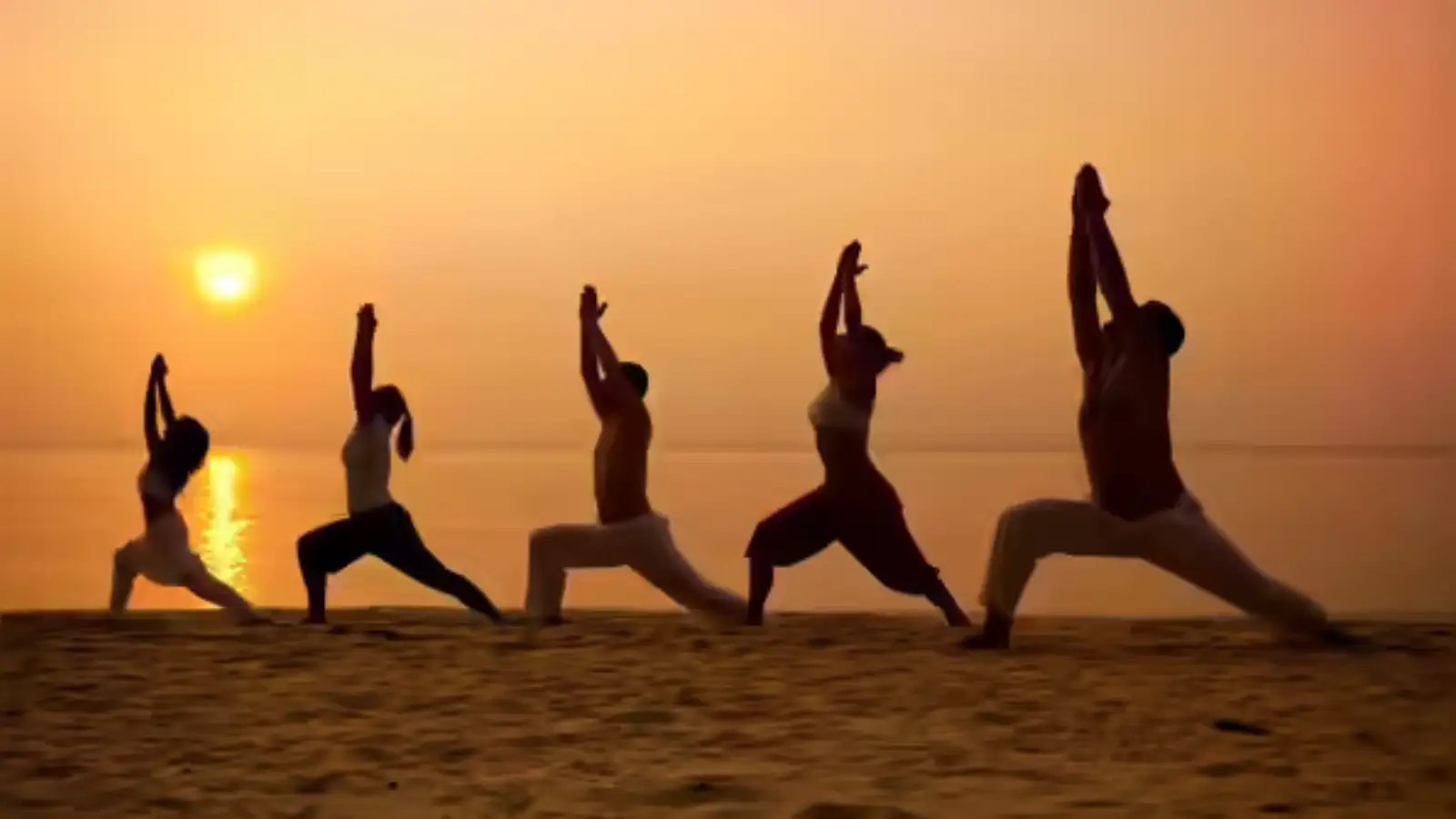
Here are five beginner-friendly yoga poses that can help you take the first step towards a healthier and more mindful lifestyle.
1. Mountain Pose ( Tadasana ): Build a Strong Foundation
Tadasana is often considered the starting point for many standing yoga poses. While it may appear simple, it helps develop body awareness and encourages proper posture.
How to Perform Mountain Pose
Benefits of Tadasana
2. Tree Pose ( Vrikshasana ): Improve Balance and Focus
Tree Pose is a popular balancing posture that helps strengthen the lower body while improving concentration.
How to Perform Tree Pose
Benefits of Vrikshasana
3. Cat-Cow Pose (Marjaryasana-Bitilasana): Boost Spinal Flexibility
Cat-Cow is a gentle flow that combines two movements to warm up the spine and release stiffness. It is especially beneficial for those who spend long hours sitting.
How to Perform Cat-Cow Pose
Benefits of Cat-Cow Pose
4. Downward-Facing Dog (Adho Mukha Svanasana): Stretch and Strengthen the Body
One of the most recognised yoga poses, Downward-Facing Dog provides a full-body stretch while building strength in the upper and lower body.
How to Perform Downward-Facing Dog
Benefits of Adho Mukha Svanasana
5. Child's Pose (Balasana): Relax and Recharge
Child's Pose is a restorative yoga posture that allows the body and mind to relax. It is often used between more active poses to encourage recovery and calmness.
How to Perform Child's Pose
Benefits of Balasana
Tips for Beginners Starting Yoga
If you're new to yoga, remember that consistency is more important than perfection. Focus on your breathing, move at your own pace, and listen to your body. Even a short daily session of 10 to 15 minutes can gradually improve flexibility, strength, balance, and mental well-being.
Starting yoga doesn't require advanced skills or extreme flexibility. These five beginner-friendly yoga poses offer a simple and effective way to build confidence on the mat while supporting both physical and mental health. Practise them regularly, stay patient with your progress, and enjoy the many benefits that yoga can bring to your daily life.
Here are five beginner-friendly yoga poses that can help you take the first step towards a healthier and more mindful lifestyle.
1. Mountain Pose ( Tadasana ): Build a Strong Foundation
Tadasana is often considered the starting point for many standing yoga poses. While it may appear simple, it helps develop body awareness and encourages proper posture.
How to Perform Mountain Pose
- Stand upright with your feet together.
- Let your arms rest naturally by your sides.
- Keep your spine straight and shoulders relaxed.
- Tighten your core, thighs, and glutes slightly.
- Distribute your weight evenly on both feet.
- Inhale deeply, lengthen your spine, and gently lift your chest.
- Hold the position for a few breaths while maintaining steady breathing.
Benefits of Tadasana
- Improves posture and alignment
- Enhances balance and stability
- Increases body awareness
2. Tree Pose ( Vrikshasana ): Improve Balance and Focus
Tree Pose is a popular balancing posture that helps strengthen the lower body while improving concentration.
How to Perform Tree Pose
- Stand straight with your feet together.
- Shift your weight onto one foot.
- Bend the opposite knee and place the sole of your foot against your inner calf or thigh.
- Avoid placing your foot directly on the knee joint.
- Raise both arms overhead and bring your palms together.
- Focus your gaze on a fixed point in front of you.
- Hold for 5–10 deep breaths and then switch sides.
Benefits of Vrikshasana
- Improves balance and coordination
- Strengthens legs and core muscles
- Enhances concentration and mental focus
3. Cat-Cow Pose (Marjaryasana-Bitilasana): Boost Spinal Flexibility
Cat-Cow is a gentle flow that combines two movements to warm up the spine and release stiffness. It is especially beneficial for those who spend long hours sitting.
You may also like
- Chinese proverb of the day: "A river cuts through a rock, not because of its power, but…" - a timeless lesson on patience and steady effort
- Navigating Health Apps: Essential Precautions for Users
- Ranvir Shorey Embraces Diverse Roles to Avoid Typecasting in Acting
- The Jackson Oak: The story behind the tree in America that has owned itself since 1832
- Is it Safe to Use a Public Toilet During Pregnancy?
How to Perform Cat-Cow Pose
- Begin on your hands and knees.
- Inhale as you arch your back, lift your chest, and look slightly upward (Cow Pose).
- Exhale as you round your spine and tuck your chin toward your chest (Cat Pose).
- Continue moving slowly with your breath for several rounds.
Benefits of Cat-Cow Pose
- Increases spinal mobility
- Relieves back and neck tension
- Promotes better posture
- Improves flexibility
4. Downward-Facing Dog (Adho Mukha Svanasana): Stretch and Strengthen the Body
One of the most recognised yoga poses, Downward-Facing Dog provides a full-body stretch while building strength in the upper and lower body.
How to Perform Downward-Facing Dog
- Start on your hands and knees.
- Lift your hips upward to form an inverted "V" shape.
- Keep your arms and legs extended without locking the joints.
- Press your heels gently towards the floor.
- Breathe deeply and hold the position comfortably.
Benefits of Adho Mukha Svanasana
- Stretches multiple muscle groups at once
- Strengthens arms, shoulders, and legs
- Improves blood circulation
- Helps energise the body
5. Child's Pose (Balasana): Relax and Recharge
Child's Pose is a restorative yoga posture that allows the body and mind to relax. It is often used between more active poses to encourage recovery and calmness.
How to Perform Child's Pose
- Kneel on the floor and sit back on your heels.
- Extend your arms forward.
- Lower your forehead to the mat.
- Close your eyes and focus on slow, deep breathing.
Benefits of Balasana
- Reduces stress and mental fatigue
- Gently stretches the lower back and hips
- Encourages relaxation and mindfulness
- Helps calm the nervous system
Tips for Beginners Starting Yoga
If you're new to yoga, remember that consistency is more important than perfection. Focus on your breathing, move at your own pace, and listen to your body. Even a short daily session of 10 to 15 minutes can gradually improve flexibility, strength, balance, and mental well-being.
Starting yoga doesn't require advanced skills or extreme flexibility. These five beginner-friendly yoga poses offer a simple and effective way to build confidence on the mat while supporting both physical and mental health. Practise them regularly, stay patient with your progress, and enjoy the many benefits that yoga can bring to your daily life.






More from our partners


Loving Newspoint? Download the app now
