
5 Bridges That Sway Even Without Wind And The Science Behind It

When we think of bridges moving, we usually imagine powerful storms, earthquakes, or strong winds. Surprisingly, some of the world's most famous bridges can sway, wobble, or vibrate even when the weather is perfectly calm. These unusual movements are often caused by engineering factors such as resonance, structural dynamics , pedestrian activity, and design characteristics.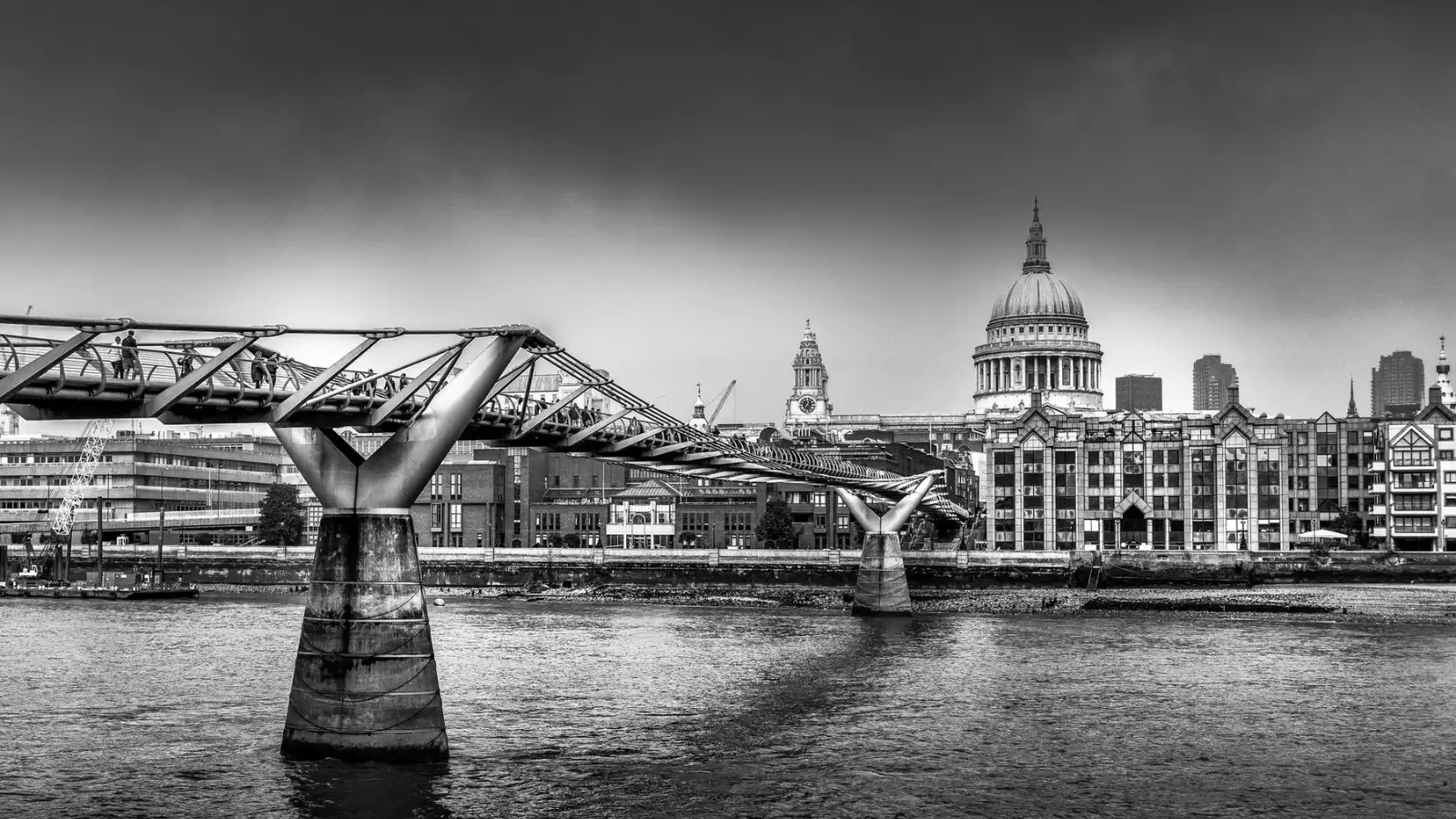
While these swaying bridges may look alarming, most are completely safe. Their movement has helped engineers better understand how structures interact with people and the environment. Here are five remarkable examples of bridges that sway even without wind.
Bridges can move due to:
Also Read: 7 Interesting Facts About Howrah Bridge You Should Know
One of the most famous examples of a swaying bridge is London's Millennium Bridge. Opened in 2000, the bridge quickly gained attention when pedestrians noticed a significant side-to-side wobble on its opening day.
The movement was caused by pedestrian-induced vibration. As people adjusted their walking rhythm to the bridge's slight movement, the oscillations became stronger. Engineers later installed dampers to reduce the effect, allowing the bridge to operate safely.
This elegant steel footbridge across the River Seine is admired for its modern design. However, engineers observed that large groups of pedestrians could trigger noticeable lateral movement.
The bridge became a well-known example in bridge engineering studies, demonstrating how crowds can unintentionally amplify structural vibrations.
The T-Bridge gained attention among researchers because of its tendency to sway during periods of heavy foot traffic.
Studies found that pedestrians often matched their walking pace to the bridge's natural frequency. This synchronisation increased movement and provided valuable insights into structural dynamics and crowd behaviour.
Another Japanese bridge frequently cited in engineering literature is the M-Bridge. Similar to the T-Bridge, it experienced movement caused by resonance in bridges and pedestrian activity.
Researchers used observations from the bridge to improve design standards for future pedestrian structures, helping engineers reduce unwanted oscillations.
Also Read: Explore The World’s Most Amazing Glass Bridges
Opened in 2013, the Squibb Park Bridge became famous for its noticeable bouncing and movement when people crossed it.
Unlike many moving bridges , the issue was not related to wind. Instead, the bridge's flexibility and structural design created oscillations during pedestrian use. The bridge was eventually rebuilt to improve stability and user comfort.
Modern bridge engineering has evolved significantly thanks to lessons learned from these cases. Today, engineers use advanced simulations and damping systems to ensure that bridges remain safe while minimising excessive movement.
The next time you cross a pedestrian bridge, remember that even a gentle wobble may be the result of complex science at work rather than the weather. These famous examples prove that sometimes the most intriguing movements happen when there is not a breath of wind in sight.
While these swaying bridges may look alarming, most are completely safe. Their movement has helped engineers better understand how structures interact with people and the environment. Here are five remarkable examples of bridges that sway even without wind.
Why Do Bridges Sway Without Wind?
Before exploring the list, it helps to understand the science behind the phenomenon.Bridges can move due to:
- Resonance, when repeated forces match a bridge's natural frequency.
- Pedestrian-induced vibration, where crowds unknowingly synchronise their footsteps.
- Low damping, which prevents vibrations from being absorbed quickly.
- Structural design, especially in lightweight modern footbridges.
Also Read: 7 Interesting Facts About Howrah Bridge You Should Know
1. Millennium Bridge, London, United Kingdom
One of the most famous examples of a swaying bridge is London's Millennium Bridge. Opened in 2000, the bridge quickly gained attention when pedestrians noticed a significant side-to-side wobble on its opening day.
The movement was caused by pedestrian-induced vibration. As people adjusted their walking rhythm to the bridge's slight movement, the oscillations became stronger. Engineers later installed dampers to reduce the effect, allowing the bridge to operate safely.
2. Solférino Footbridge, Paris, France
Passerelle Léopold-Sédar-SenghorThis elegant steel footbridge across the River Seine is admired for its modern design. However, engineers observed that large groups of pedestrians could trigger noticeable lateral movement.
The bridge became a well-known example in bridge engineering studies, demonstrating how crowds can unintentionally amplify structural vibrations.
3. T-Bridge, Japan
The T-Bridge gained attention among researchers because of its tendency to sway during periods of heavy foot traffic.
Studies found that pedestrians often matched their walking pace to the bridge's natural frequency. This synchronisation increased movement and provided valuable insights into structural dynamics and crowd behaviour.
4. M-Bridge, Japan
M-BridgeAnother Japanese bridge frequently cited in engineering literature is the M-Bridge. Similar to the T-Bridge, it experienced movement caused by resonance in bridges and pedestrian activity.
Researchers used observations from the bridge to improve design standards for future pedestrian structures, helping engineers reduce unwanted oscillations.
Also Read: Explore The World’s Most Amazing Glass Bridges
5. Squibb Park Bridge, New York, United States
Opened in 2013, the Squibb Park Bridge became famous for its noticeable bouncing and movement when people crossed it.
Unlike many moving bridges , the issue was not related to wind. Instead, the bridge's flexibility and structural design created oscillations during pedestrian use. The bridge was eventually rebuilt to improve stability and user comfort.
When Engineering Meets Motion
These fascinating structures show that bridges are not always rigid monuments of steel and concrete. Instead, they are dynamic systems that respond to forces around them, including something as simple as people walking.Modern bridge engineering has evolved significantly thanks to lessons learned from these cases. Today, engineers use advanced simulations and damping systems to ensure that bridges remain safe while minimising excessive movement.
The next time you cross a pedestrian bridge, remember that even a gentle wobble may be the result of complex science at work rather than the weather. These famous examples prove that sometimes the most intriguing movements happen when there is not a breath of wind in sight.
Next Story