
5 Foods That Have More Protein Than Eggs for Muscle Growth

If you rely on eggs for your daily protein intake, it may be time to add some variety to your plate. While a large egg contains around 6 grams of protein, several everyday foods can provide even more protein per serving. From creamy Greek yogurt to nutrient-rich lentils, these protein-rich foods can support muscle recovery, keep you full and add important nutrients to your diet.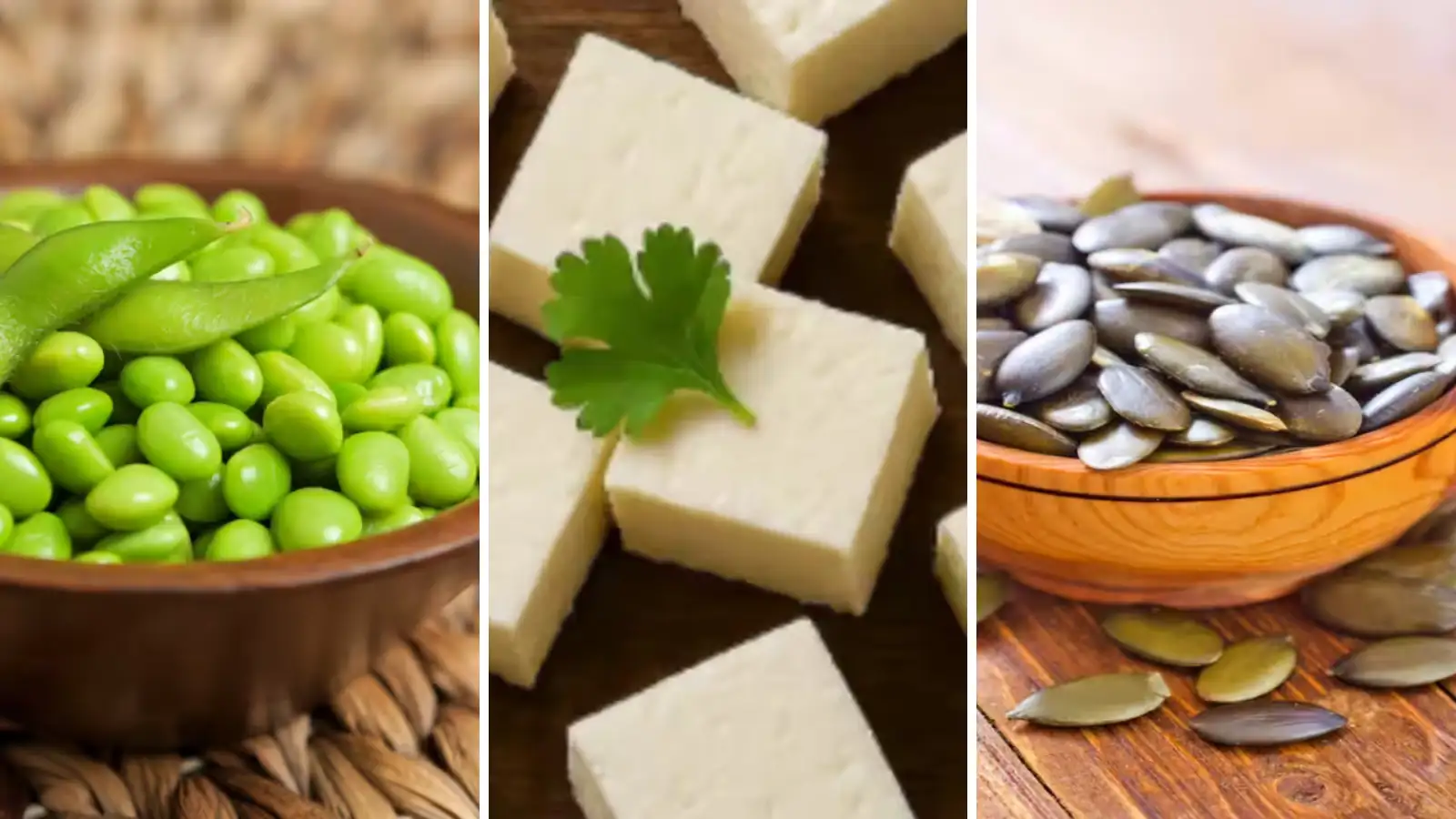
Low-fat cottage cheese is an easy way to increase your protein intake without relying solely on eggs. A half-cup serving can provide roughly twice the protein found in one large egg.
It also contains calcium and B vitamins, making it a nutritious choice for people looking to support muscle health and overall fitness. Its casein protein is digested relatively slowly, which can help you feel satisfied for longer.
Edamame, or young soybeans, is a plant-based protein powerhouse. A cooked half-cup serving provides around 9 grams of protein, putting it comfortably ahead of a single egg.
One of its biggest advantages is that soy is a complete protein, meaning it contains all nine essential amino acids that the body cannot produce on its own. Edamame also provides dietary fibre and beneficial plant compounds, making it a wholesome addition to salads, stir-fries or snacks.
Don't underestimate these tiny seeds. A quarter-cup serving of shelled pumpkin seeds can deliver around 8.5 grams of protein, along with minerals such as magnesium and zinc.
Pumpkin seeds are particularly convenient because they can be sprinkled over oatmeal, yoghurt, salads or soups. Their combination of protein, healthy fats and minerals makes them a nutrient-dense option for people looking to upgrade their everyday diet.
Lentils are another excellent option for anyone looking for high-protein foods that are affordable and plant-based. Half a cup of cooked lentils provides approximately 9 grams of protein.
They are also rich in soluble fibre, which can support digestive health and help promote steadier blood sugar levels. Replacing some animal-based fats with plant protein sources such as lentils may also be beneficial for long-term heart and metabolic health.
From dals and soups to salads and curries, lentils are versatile enough to fit easily into everyday meals.
Greek yogurt can be one of the most protein-packed options on this list. A 170-gram serving of plain Greek yogurt can contain around 15–17 grams of protein, depending on the brand and variety.
The difference comes largely from the straining process, which removes much of the liquid and leaves behind a thicker, more concentrated yoghurt. Greek yogurt is also a source of leucine, an essential amino acid involved in muscle protein synthesis and recovery.
For a simple high-protein snack, pair plain Greek yogurt with fruit, nuts or seeds.
Including a mix of animal- and plant-based protein sources in your diet can also give you a broader range of nutrients. If you're focused on muscle growth, fitness or simply eating a more balanced diet, variety can make your meals both more nutritious and more enjoyable.
Protein amounts can vary depending on the brand, preparation method and serving size, so check the nutrition label when comparing specific products.
1. Low-Fat Cottage Cheese
Protein: Around 12–14g per ½ cupLow-fat cottage cheese is an easy way to increase your protein intake without relying solely on eggs. A half-cup serving can provide roughly twice the protein found in one large egg.
It also contains calcium and B vitamins, making it a nutritious choice for people looking to support muscle health and overall fitness. Its casein protein is digested relatively slowly, which can help you feel satisfied for longer.
2. Edamame
Protein: Around 9g per ½ cup cookedEdamame, or young soybeans, is a plant-based protein powerhouse. A cooked half-cup serving provides around 9 grams of protein, putting it comfortably ahead of a single egg.
One of its biggest advantages is that soy is a complete protein, meaning it contains all nine essential amino acids that the body cannot produce on its own. Edamame also provides dietary fibre and beneficial plant compounds, making it a wholesome addition to salads, stir-fries or snacks.
3. Pumpkin Seeds
Protein: Around 8.5g per ¼ cupDon't underestimate these tiny seeds. A quarter-cup serving of shelled pumpkin seeds can deliver around 8.5 grams of protein, along with minerals such as magnesium and zinc.
Pumpkin seeds are particularly convenient because they can be sprinkled over oatmeal, yoghurt, salads or soups. Their combination of protein, healthy fats and minerals makes them a nutrient-dense option for people looking to upgrade their everyday diet.
4. Cooked Lentils
Protein: Around 9g per ½ cupLentils are another excellent option for anyone looking for high-protein foods that are affordable and plant-based. Half a cup of cooked lentils provides approximately 9 grams of protein.
They are also rich in soluble fibre, which can support digestive health and help promote steadier blood sugar levels. Replacing some animal-based fats with plant protein sources such as lentils may also be beneficial for long-term heart and metabolic health.
From dals and soups to salads and curries, lentils are versatile enough to fit easily into everyday meals.
You may also like
- Hot Tea and Cancer Risk: Does Drinking Very Hot Tea Harm Your Health? Dr. Varun Goyal Reveals the Truth
- Heart Health Warning: Why Is Your Heart Rate Unhealthy Before 40 Without Blood Pressure or Diabetes
- Delhi Lakshmi Yojana: Will ₹2,500 be credited to your account, or is there a wait? Here's how to check your application status.
- PM Surya Ghar Application Rejected: Here's How to Fix Errors Online
- Man Bitten by Rat While Watching Movie in Theater; Awarded ₹18,000 Compensation
5. Plain Greek Yogurt
Protein: Around 15–17g per 170gGreek yogurt can be one of the most protein-packed options on this list. A 170-gram serving of plain Greek yogurt can contain around 15–17 grams of protein, depending on the brand and variety.
The difference comes largely from the straining process, which removes much of the liquid and leaves behind a thicker, more concentrated yoghurt. Greek yogurt is also a source of leucine, an essential amino acid involved in muscle protein synthesis and recovery.
For a simple high-protein snack, pair plain Greek yogurt with fruit, nuts or seeds.
Eggs Are Nutritious, But They Aren't Your Only Protein Option
Eggs remain a convenient and nutritious source of high-quality protein, but they certainly aren't the only option for meeting your daily protein needs. Cottage cheese, edamame, pumpkin seeds, lentils and Greek yogurt can all provide more protein per typical serving than one large egg.Including a mix of animal- and plant-based protein sources in your diet can also give you a broader range of nutrients. If you're focused on muscle growth, fitness or simply eating a more balanced diet, variety can make your meals both more nutritious and more enjoyable.
Protein amounts can vary depending on the brand, preparation method and serving size, so check the nutrition label when comparing specific products.






Loving Newspoint? Download the app now
