
Monsoon Diet: 5 Foods To Avoid During The Rainy Season

The arrival of monsoon brings relief from the summer heat, but the rainy season also calls for extra attention to food choices and kitchen hygiene. Increased humidity and moisture can create conditions in which bacteria and other microbes multiply more easily, while changes in routine can sometimes affect digestion.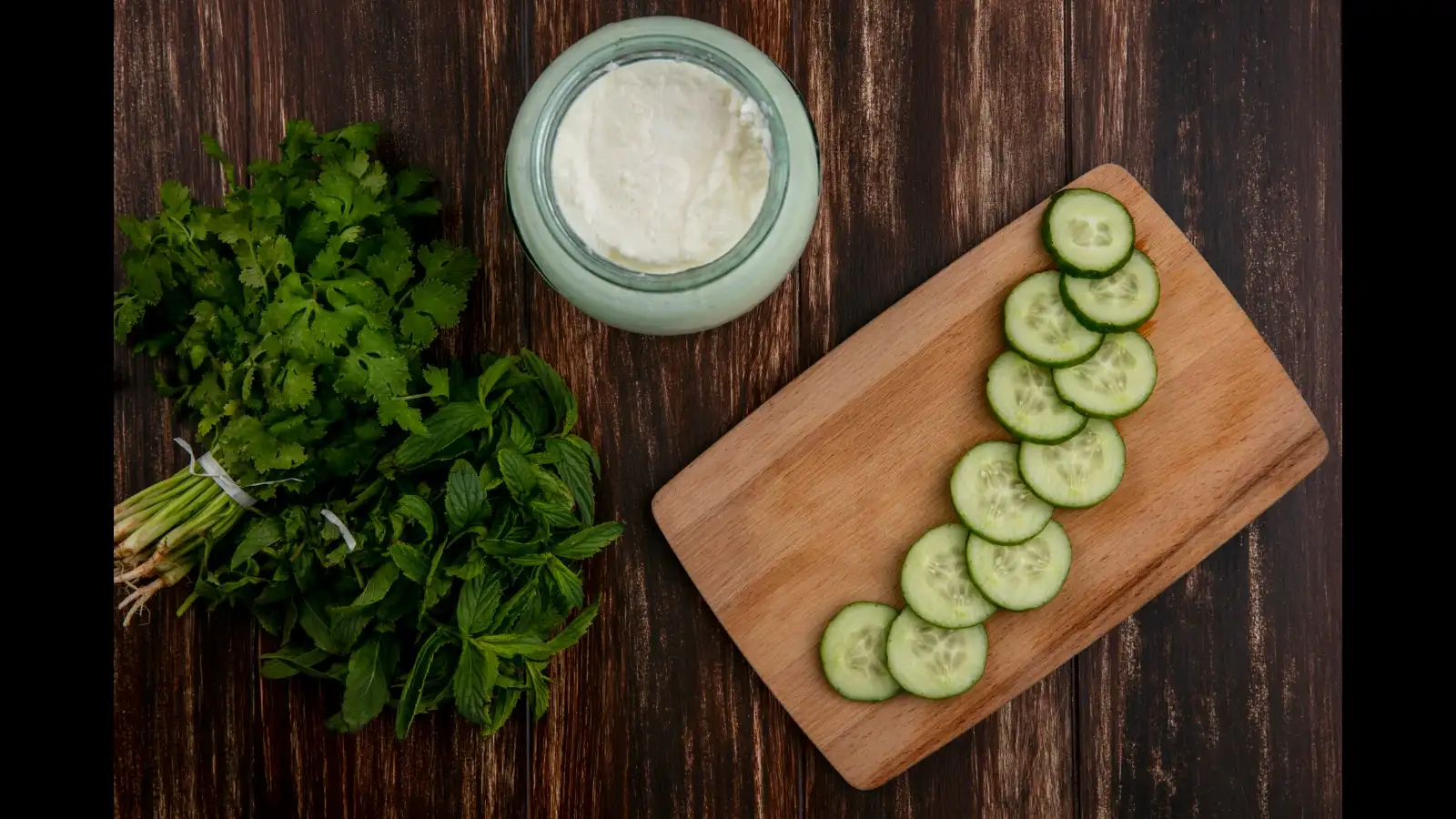
This does not mean you need to completely eliminate every food from your diet. However, certain foods may require extra caution during the rainy months, particularly if they are raw, improperly stored or prepared in unhygienic surroundings.
Here are five foods to avoid in monsoon or consume carefully to support better digestion and food safety.
During monsoon, proper storage is particularly important. Curd that is left at room temperature for too long can spoil or become contaminated. If you enjoy curd, make sure it is fresh, properly refrigerated and handled hygienically.
Also Read: Best Monsoon Fruits in India: Healthy Fruits to Eat During the Rainy Season
Unwashed or poorly stored cucumber can carry dirt and microbes from its surface. People with sensitive digestion may also experience bloating or discomfort after eating large quantities of raw vegetables.
Wash cucumbers thoroughly under clean running water and consume them fresh.
Rather than eating them raw without proper washing, clean the leaves thoroughly and cook them properly. Good kitchen hygiene is an important part of monsoon food safety .
For a safer monsoon diet , choose whole fruits and vegetables and cut them at home after washing them thoroughly. Keep prepared food refrigerated when necessary and avoid consuming anything that appears spoiled.
Repeatedly heated cooking oil and heavily oily or spicy meals can also cause acidity, bloating or digestive discomfort in some people. If you are craving fried food, choosing freshly prepared options from a hygienic kitchen is a better approach.
Instead of eating less during the rainy season, focus on a balanced healthy monsoon diet featuring freshly prepared meals, whole grains, pulses, cooked vegetables and adequate protein.
Ultimately, the goal is not to fear specific foods but to be mindful about freshness, preparation, storage and cleanliness. These simple monsoon health tips can help you make safer and more balanced food choices throughout the rainy season.
This does not mean you need to completely eliminate every food from your diet. However, certain foods may require extra caution during the rainy months, particularly if they are raw, improperly stored or prepared in unhygienic surroundings.
Here are five foods to avoid in monsoon or consume carefully to support better digestion and food safety.
1. Curd
Curd can be a nutritious addition to a balanced diet, but some people may find dairy products uncomfortable when they have digestive issues or are already experiencing congestion.During monsoon, proper storage is particularly important. Curd that is left at room temperature for too long can spoil or become contaminated. If you enjoy curd, make sure it is fresh, properly refrigerated and handled hygienically.
Also Read: Best Monsoon Fruits in India: Healthy Fruits to Eat During the Rainy Season
2. Cucumber
Cucumber is naturally refreshing and contains a high amount of water, making it a popular summer food. However, raw foods need careful handling during monsoon.Unwashed or poorly stored cucumber can carry dirt and microbes from its surface. People with sensitive digestion may also experience bloating or discomfort after eating large quantities of raw vegetables.
Wash cucumbers thoroughly under clean running water and consume them fresh.
3. Leafy Greens
Leafy vegetables such as spinach and cabbage can collect soil, moisture and tiny insects between their leaves. During the rainy season, these vegetables therefore need particularly careful cleaning.Rather than eating them raw without proper washing, clean the leaves thoroughly and cook them properly. Good kitchen hygiene is an important part of monsoon food safety .
4. Pre-Cut Fruits And Vegetables
Pre-cut fruits sold in open surroundings can be exposed to dust, insects, contaminated surfaces and moisture. Once cut, fruits and vegetables can also spoil more quickly if they are not stored correctly.For a safer monsoon diet , choose whole fruits and vegetables and cut them at home after washing them thoroughly. Keep prepared food refrigerated when necessary and avoid consuming anything that appears spoiled.
5. Deep-Fried And Street Foods
Rainy weather often makes crispy pakoras, samosas and other fried snacks especially tempting. However, street food prepared in questionable hygienic conditions may carry a higher risk of contamination.Repeatedly heated cooking oil and heavily oily or spicy meals can also cause acidity, bloating or digestive discomfort in some people. If you are craving fried food, choosing freshly prepared options from a hygienic kitchen is a better approach.
Focus On Food Hygiene During Monsoon
Food safety is not simply about avoiding particular ingredients. Food that has been left at room temperature for extended periods can become unsafe, so proper storage, clean utensils, safe drinking water and thorough washing of raw ingredients are essential.Instead of eating less during the rainy season, focus on a balanced healthy monsoon diet featuring freshly prepared meals, whole grains, pulses, cooked vegetables and adequate protein.
Ultimately, the goal is not to fear specific foods but to be mindful about freshness, preparation, storage and cleanliness. These simple monsoon health tips can help you make safer and more balanced food choices throughout the rainy season.
Next Story