
Why These 5 Indian Hotspots Prove We Can Welcome Travelers Without Wrecking Nature

With daily media updates continuously drawing public attention to the devastating impacts of overtourism, sudden hill-station landslides, and mountains of plastic waste left behind by tourists, the global travel industry is facing an undeniable crisis. However, away from the chaotic crowds of mainstream tourist hubs, a quieter, deeply thoughtful alternative travel model has been steadily strengthening across the diverse landscapes of India. These unique hotspots are actively demonstrating that exploring the wonders of the natural world does not have to result in its absolute destruction.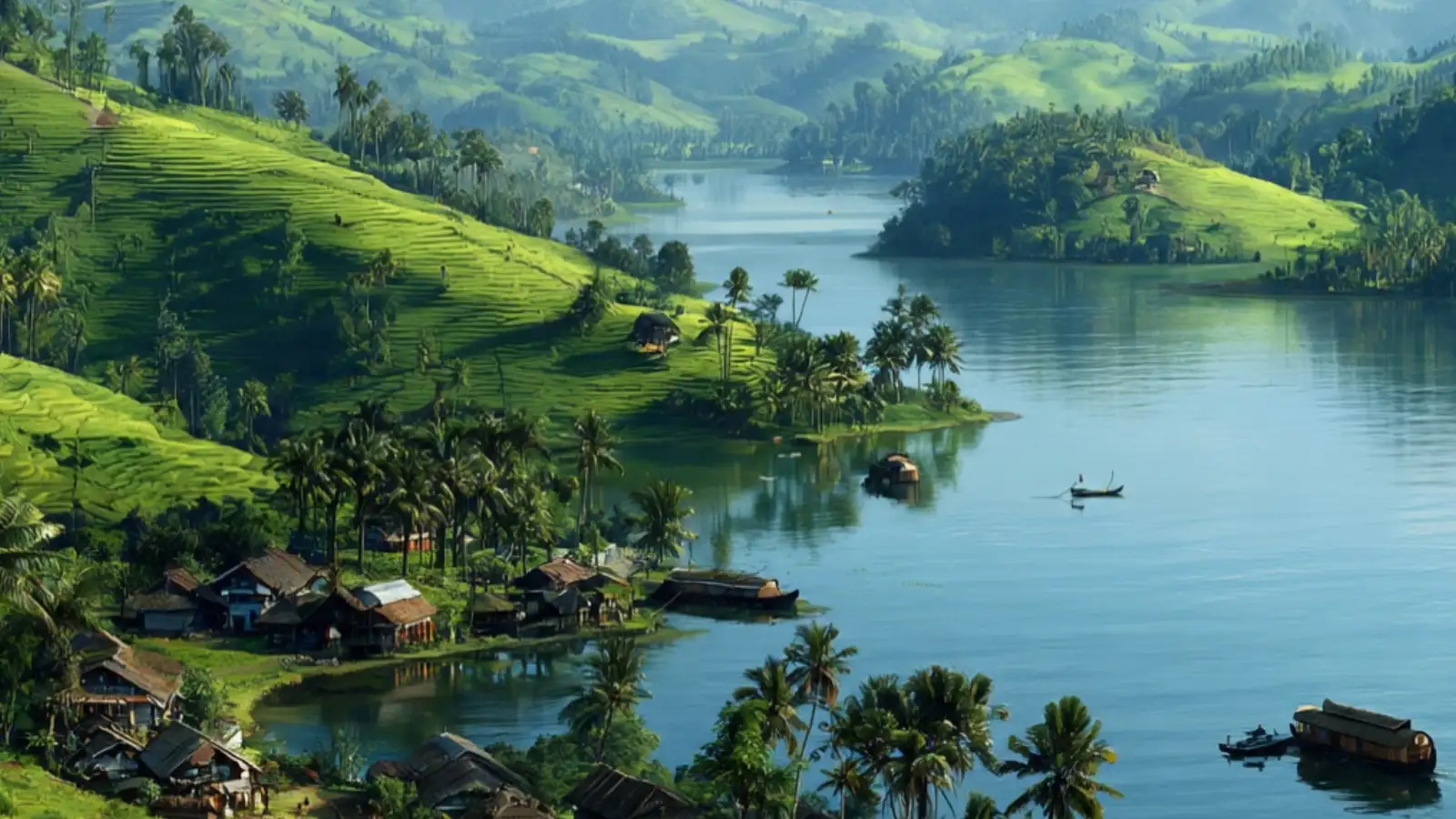
True eco-tourism has rapidly evolved into a highly practical solution to modern environmental challenges. Rather than offering visitors standard, passive hiking trails and basic outdoor activities, this progressive philosophy centers around actively protecting local ecosystems. It ensures that indigenous communities are given a meaningful voice, that financial profits flow directly back to the local populace, and that travelers actively give back to the environments they visit. Across India, visionary regions have successfully transformed environmental protection from a corporate slogan into a daily lifestyle choice, serving as living proof that vacationing and conservation can coexist beautifully.
Tucked away inside the majestic Western Ghats within Kerala's scenic Kollam district, Thenmala proudly holds the historic title of being India's very first planned eco-tourism destination. Long before commercial foot traffic had a chance to grow completely unchecked and cause irreversible environmental damage, the state government intervened strategically by setting up the Thenmala Ecotourism Promotion Society (TEPS) right from the start. The primary goal was incredibly clear: open the doors to eager nature lovers without wrecking the surrounding forests.
To prevent large crowds of people from simultaneously overwhelming any single sensitive area, authorities cleverly divided the destination into three distinct zones: Culture, Leisure, and Adventure. Visitors can indulge in an array of low-impact outdoor activities ranging from rigorous mountain biking and guided educational forest hikes to peacefully wandering through beautifully manicured local sculpture gardens. Directly bordering this area is the Shendurney Wildlife Sanctuary, which keeps the regional conservation focus intensely sharp. The sanctuary maintains strict limits on the size of trekking groups, heavily regulates all boating operations, and runs highly specialized preservation projects including specialized deer rehabilitation centers and vibrant butterfly gardens. By successfully generating steady, dignified local employment and shielding rare regional biodiversity, Thenmala has collected prestigious domestic and international awards, continuing to serve as the golden standard for building a green destination the right way.
Located roughly 20 kilometers away from the capital city of Kohima sits the historic village of Khonoma, a place globally celebrated as India's very first official green village. This remarkable title, however, was not achieved easily or overnight. For countless generations, hunting and heavy logging were deeply woven into the socio-cultural fabric of the local community. By the late 1990s, this aggressive reliance on forest resources had taken a brutal toll, leaving the surrounding wildlife severely decimated and the forests quiet. A massive wake-up call finally hit the community in 1998, when village elders and residents collectively realized they were rapidly losing their rich natural heritage forever.
In a historic move, the entire village enacted a total ban on all forms of logging and hunting, setting up the Khonoma Nature Conservation and Tragopan Sanctuary. While the initial target was saving the critically endangered Blyth's Tragopan Nagaland's beautiful state bird the project quickly sparked a far wider, comprehensive environmental movement. The resident Angami community relies heavily on traditional, alder-based terraced farming practices. This unique agricultural method naturally fertilizes the soil over time, completely eliminating any reliance on harsh chemical fertilizers. Because of these profound generational shifts, the village ecosystem has bounced back dramatically, now acting as a thriving home to nearly 200 distinct bird species and a massive variety of rare plants. The incredible turnaround has even earned the official backing and recognition of the UN World Tourism Organization (UNWTO) under its global tourism village program, spotlighting Khonoma as a brilliant example of community-driven ecological revival.
True eco-tourism has rapidly evolved into a highly practical solution to modern environmental challenges. Rather than offering visitors standard, passive hiking trails and basic outdoor activities, this progressive philosophy centers around actively protecting local ecosystems. It ensures that indigenous communities are given a meaningful voice, that financial profits flow directly back to the local populace, and that travelers actively give back to the environments they visit. Across India, visionary regions have successfully transformed environmental protection from a corporate slogan into a daily lifestyle choice, serving as living proof that vacationing and conservation can coexist beautifully.
Thenmala, Kerala: India's Pioneering Eco-Tourism Blueprint
Tucked away inside the majestic Western Ghats within Kerala's scenic Kollam district, Thenmala proudly holds the historic title of being India's very first planned eco-tourism destination. Long before commercial foot traffic had a chance to grow completely unchecked and cause irreversible environmental damage, the state government intervened strategically by setting up the Thenmala Ecotourism Promotion Society (TEPS) right from the start. The primary goal was incredibly clear: open the doors to eager nature lovers without wrecking the surrounding forests.
To prevent large crowds of people from simultaneously overwhelming any single sensitive area, authorities cleverly divided the destination into three distinct zones: Culture, Leisure, and Adventure. Visitors can indulge in an array of low-impact outdoor activities ranging from rigorous mountain biking and guided educational forest hikes to peacefully wandering through beautifully manicured local sculpture gardens. Directly bordering this area is the Shendurney Wildlife Sanctuary, which keeps the regional conservation focus intensely sharp. The sanctuary maintains strict limits on the size of trekking groups, heavily regulates all boating operations, and runs highly specialized preservation projects including specialized deer rehabilitation centers and vibrant butterfly gardens. By successfully generating steady, dignified local employment and shielding rare regional biodiversity, Thenmala has collected prestigious domestic and international awards, continuing to serve as the golden standard for building a green destination the right way.
Khonoma, Nagaland: From Hunting Culture to Green Sanctuary
Located roughly 20 kilometers away from the capital city of Kohima sits the historic village of Khonoma, a place globally celebrated as India's very first official green village. This remarkable title, however, was not achieved easily or overnight. For countless generations, hunting and heavy logging were deeply woven into the socio-cultural fabric of the local community. By the late 1990s, this aggressive reliance on forest resources had taken a brutal toll, leaving the surrounding wildlife severely decimated and the forests quiet. A massive wake-up call finally hit the community in 1998, when village elders and residents collectively realized they were rapidly losing their rich natural heritage forever.
In a historic move, the entire village enacted a total ban on all forms of logging and hunting, setting up the Khonoma Nature Conservation and Tragopan Sanctuary. While the initial target was saving the critically endangered Blyth's Tragopan Nagaland's beautiful state bird the project quickly sparked a far wider, comprehensive environmental movement. The resident Angami community relies heavily on traditional, alder-based terraced farming practices. This unique agricultural method naturally fertilizes the soil over time, completely eliminating any reliance on harsh chemical fertilizers. Because of these profound generational shifts, the village ecosystem has bounced back dramatically, now acting as a thriving home to nearly 200 distinct bird species and a massive variety of rare plants. The incredible turnaround has even earned the official backing and recognition of the UN World Tourism Organization (UNWTO) under its global tourism village program, spotlighting Khonoma as a brilliant example of community-driven ecological revival.
Next Story