
Why These 5 Indian Lakes Are Revered Across Generations for Their Mystical Origins

When travelers set out to explore the geographical diversity of India, they are often met with landscapes that feel entirely timeless. Among these, the country’s high-altitude and regional lakes stand out as major attractions. However, in Indian culture, geography and spirituality are deeply woven together. For generations, local communities have preserved captivating folklore that explains how these stunning bodies of water came to be, turning a simple travel destination into a sacred pilgrimage site.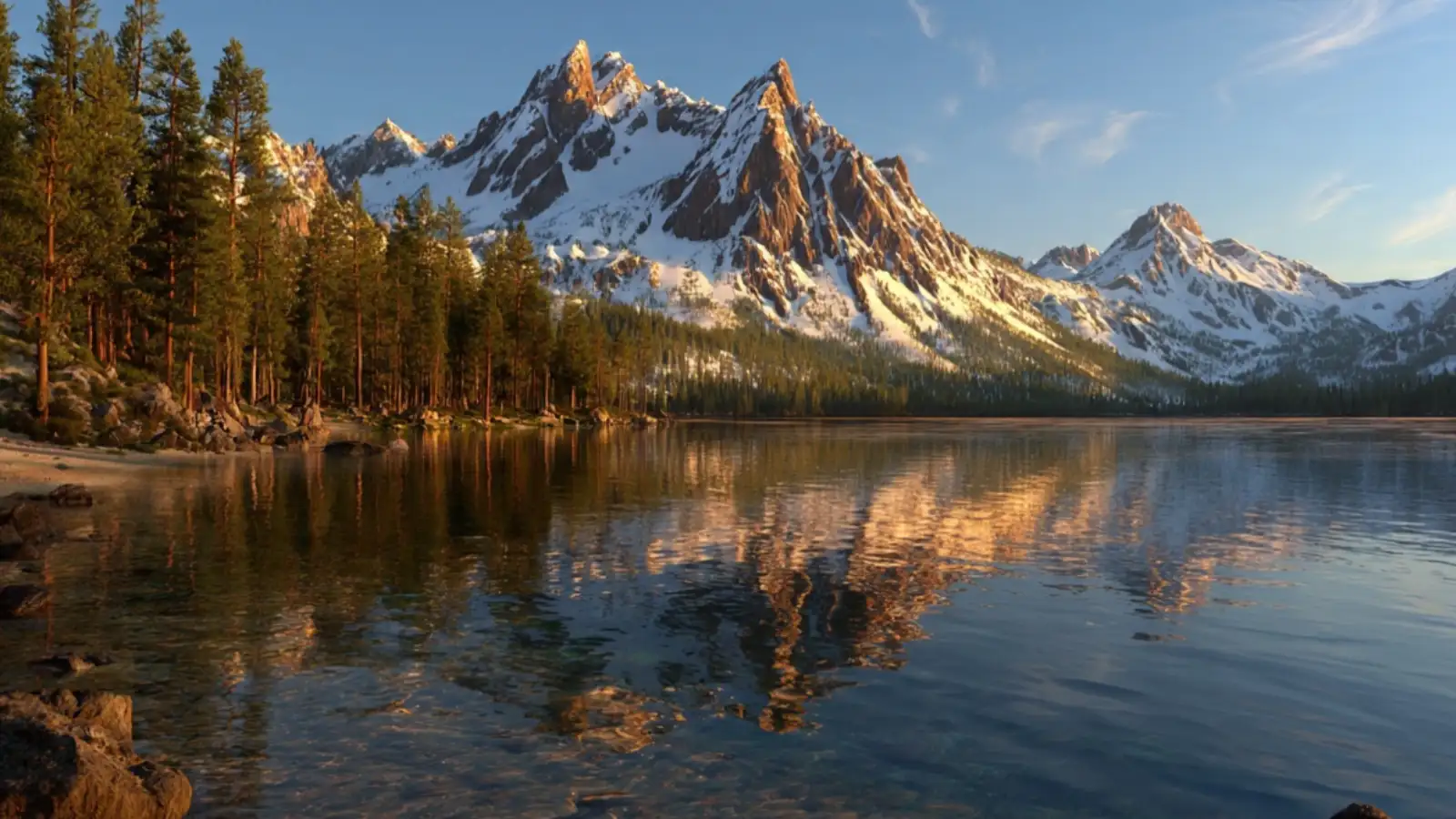
Across different states, from the snow-capped mountains of Sikkim and Himachal Pradesh to the valley of Manipur, these lakes serve as living extensions of ancient epics, divine encounters, and local folklore. Exploring these destinations offers travelers a unique double experience: taking in jaw-dropping natural beauty while stepping directly into stories that have shaped regional identity for thousands of years.
Perched at an incredible altitude of over 17,000 feet in North Sikkim, Gurudongmar Lake is globally renowned as one of the highest lakes in the world. Its origin story is deeply tied to Guru Padmasambhava, the revered 8th-century Buddhist master also known as Guru Rinpoche. According to local legend, the lake used to remain completely frozen throughout the harsh winter months, causing severe water scarcity for the local residents.
Moved by the plight of the villagers, Guru Padmasambhava touched a specific portion of the lake. Ever since that divine intervention, that exact spot miraculously remains unfrozen even during the dead of winter, providing a continuous source of sacred water to the community.
Located in the Mandi district of Himachal Pradesh, the oval-shaped Prashar Lake is famous for its deep blue waters and a mysterious, floating island of turf that constantly changes its position. The lake is traditionally believed to be the sacred meditating ground of Sage Prashar.
However, its physical origin is linked to the Indian epic, the Mahabharata. Local folklore dictates that after the great Kurukshetra war, the Pandavas were traveling through the region accompanied by Lord Kamrunag. Needing a place to stay, the mighty Bhima struck the mountain hard with his elbow, creating a deep indentation in the earth that filled with water to become the lake. To this day, the true depth of Prashar Lake remains completely unknown.
Loktak Lake in Manipur is internationally famous for its unique phumdi sheterogeneous masses of vegetation, soil, and organic matter that float across the water's surface, creating the world’s only floating national park.
In the traditional Meitei mythology of Manipur, the origin of this massive freshwater lake is considered a divine creation. It is believed to have been formed when celestial gods used the valley as a sacred playground, with the movement of the waters reflecting the cosmic dance of creation and the emotional triumphs of local deities.
Situated in the Spiti valley of Himachal Pradesh, Chandra Taal or the "Lake of the Moon" gets its name from its distinct crescent shape. Sitting beneath towering Himalayan peaks, the lake's crystal-clear waters change color throughout the day, shifting from turquoise to deep blue.
According to local mythology, the lake marks the exact spot where Chandra, the Moon God, fell deeply in love with Rohini, the beautiful daughter of a local sage. The pristine waters are said to represent their eternal, celestial union, making it a highly romanticized destination for trekkers and campers.
Tucked away in the interior of the Garhwal Himalayas sits Roopkund Lake, widely known as the "Skeleton Lake" due to the hundreds of human skeletons found scattered along its edges. While modern scientific testing attributes the deaths to a sudden, catastrophic 9th-century hailstorm, local legend tells a far more dramatic story.
According to regional folklore, a royal king named Raja Jasdhawal made a pilgrimage to the Nanda Devi shrine along with his pregnant wife and a large entourage. Defying local customs, the king brought dancers and luxury items into the sacred mountains, deeply angering Goddess Nanda Devi. In her fury, she unleashed a devastating rain of iron-hard hailstones that struck down the entire entourage, leaving the lake as a haunting reminder of divine retribution.
Across different states, from the snow-capped mountains of Sikkim and Himachal Pradesh to the valley of Manipur, these lakes serve as living extensions of ancient epics, divine encounters, and local folklore. Exploring these destinations offers travelers a unique double experience: taking in jaw-dropping natural beauty while stepping directly into stories that have shaped regional identity for thousands of years.
1. Gurudongmar Lake , Sikkim: The Miracle of Undying Water
Perched at an incredible altitude of over 17,000 feet in North Sikkim, Gurudongmar Lake is globally renowned as one of the highest lakes in the world. Its origin story is deeply tied to Guru Padmasambhava, the revered 8th-century Buddhist master also known as Guru Rinpoche. According to local legend, the lake used to remain completely frozen throughout the harsh winter months, causing severe water scarcity for the local residents.
Moved by the plight of the villagers, Guru Padmasambhava touched a specific portion of the lake. Ever since that divine intervention, that exact spot miraculously remains unfrozen even during the dead of winter, providing a continuous source of sacred water to the community.
2. Prashar Lake , Himachal Pradesh: Shaped by the Might of a Pandava
Located in the Mandi district of Himachal Pradesh, the oval-shaped Prashar Lake is famous for its deep blue waters and a mysterious, floating island of turf that constantly changes its position. The lake is traditionally believed to be the sacred meditating ground of Sage Prashar.
However, its physical origin is linked to the Indian epic, the Mahabharata. Local folklore dictates that after the great Kurukshetra war, the Pandavas were traveling through the region accompanied by Lord Kamrunag. Needing a place to stay, the mighty Bhima struck the mountain hard with his elbow, creating a deep indentation in the earth that filled with water to become the lake. To this day, the true depth of Prashar Lake remains completely unknown.
3. Loktak Lake , Manipur: The Sacred Playground of Gods
Loktak Lake in Manipur is internationally famous for its unique phumdi sheterogeneous masses of vegetation, soil, and organic matter that float across the water's surface, creating the world’s only floating national park.
In the traditional Meitei mythology of Manipur, the origin of this massive freshwater lake is considered a divine creation. It is believed to have been formed when celestial gods used the valley as a sacred playground, with the movement of the waters reflecting the cosmic dance of creation and the emotional triumphs of local deities.
4. Chandra Taal , Himachal Pradesh: The Lake of the Moon God
Situated in the Spiti valley of Himachal Pradesh, Chandra Taal or the "Lake of the Moon" gets its name from its distinct crescent shape. Sitting beneath towering Himalayan peaks, the lake's crystal-clear waters change color throughout the day, shifting from turquoise to deep blue.
According to local mythology, the lake marks the exact spot where Chandra, the Moon God, fell deeply in love with Rohini, the beautiful daughter of a local sage. The pristine waters are said to represent their eternal, celestial union, making it a highly romanticized destination for trekkers and campers.
5. Roopkund Lake , Uttarakhand: The Curse of a Goddess
Tucked away in the interior of the Garhwal Himalayas sits Roopkund Lake, widely known as the "Skeleton Lake" due to the hundreds of human skeletons found scattered along its edges. While modern scientific testing attributes the deaths to a sudden, catastrophic 9th-century hailstorm, local legend tells a far more dramatic story.
According to regional folklore, a royal king named Raja Jasdhawal made a pilgrimage to the Nanda Devi shrine along with his pregnant wife and a large entourage. Defying local customs, the king brought dancers and luxury items into the sacred mountains, deeply angering Goddess Nanda Devi. In her fury, she unleashed a devastating rain of iron-hard hailstones that struck down the entire entourage, leaving the lake as a haunting reminder of divine retribution.
Next Story