
5 Places Where Solo Travel Is Restricted: Destinations You Can't Explore Alone

Solo travel has become one of the most popular ways to discover the world, offering freedom, flexibility, and unforgettable experiences. However, not every destination allows visitors to roam independently. In some regions, governments enforce strict travel regulations, while others require tourists to be accompanied by authorised guides for safety, cultural, or political reasons. If you're planning an adventure on your own, it's important to know that these destinations have significant solo travel restrictions that can limit independent exploration.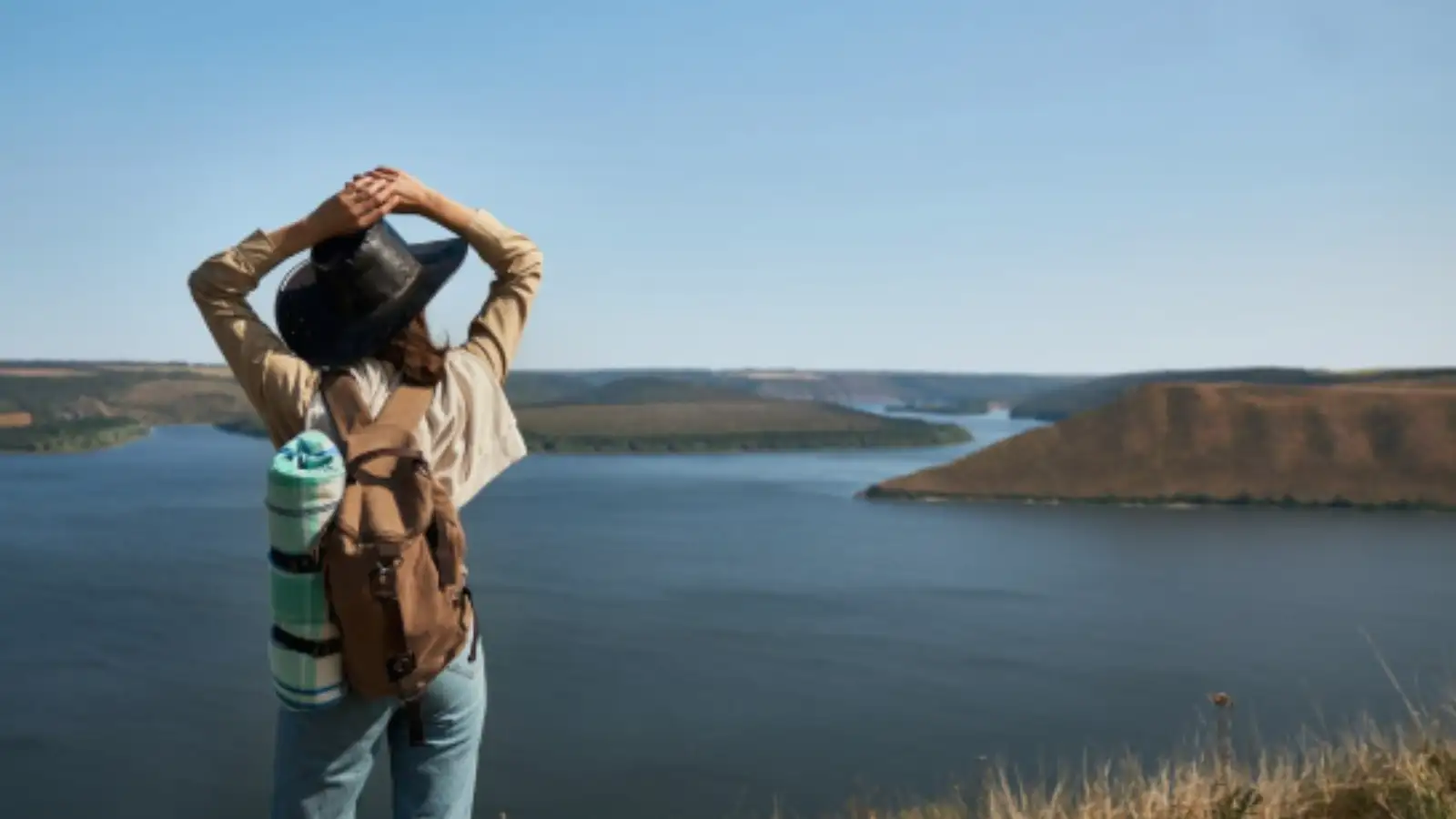
1. North Korea: Guided Tours Are Mandatory
North Korea remains one of the world's most tightly controlled travel destinations. International visitors are not permitted to travel independently within the country. Instead, tourists must join government-approved tour groups and remain accompanied by official guides throughout their visit.
Travellers can only access designated locations approved by authorities, and moving around freely is not an option. Every aspect of the trip is closely monitored, making it impossible to experience the country as a solo backpacker or independent traveller.
2. Bhutan: Travel Rules Still Limit Independent Trips
Known for its breathtaking Himalayan scenery and focus on sustainable tourism, Bhutan has gradually opened its doors to international visitors. However, travelling independently can still be challenging.
Most foreign tourists are required to arrange their journeys through authorised tour operators and pay the country's Sustainable Development Fee (SDF). While regulations have become more flexible in recent years, budget-friendly solo travel remains limited compared to many other Asian destinations.
3. Tibet: Special Permits and Organised Tours Required
Tibet attracts travellers with its stunning monasteries, mountain landscapes, and unique cultural heritage. However, foreign nationals cannot explore the region on their own.
Visitors must obtain special permits before entering Tibet and are required to travel as part of an organised tour. Licensed guides and pre-arranged transportation are mandatory throughout the trip. These regulations make Tibet one of the most restricted destinations for independent travellers.
4. Mecca and Certain Areas of Medina: Entry Restrictions Apply
Saudi Arabia's holy city of Mecca is closed to non-Muslims, making it one of the most restricted destinations in the world. Only Muslims are permitted to enter the city for religious purposes.
Additionally, some areas within Medina have controlled access. Pilgrims travelling for Hajj or Umrah must follow specific rules, designated routes, and authorised procedures. These restrictions are in place to maintain the sanctity and organisation of the pilgrimage experience.
5. Svalbard's Protected Wilderness Areas: Safety Regulations Matter
Located deep within the Arctic, Svalbard is famous for its dramatic icy landscapes and abundant wildlife. While settlements can be explored independently, large sections of the archipelago are protected wilderness zones where travel is heavily regulated.
Venturing beyond populated areas often requires specialised knowledge and safety precautions. Due to the presence of polar bears and extreme Arctic conditions, travellers are frequently advised - and in some locations required - to hire experienced guides before heading into remote regions.
Why Some Destinations Restrict Solo Travel
Travel restrictions are usually introduced for a variety of reasons, including:
Before planning any international trip, it's wise to check the latest travel requirements, permit rules, and local regulations to avoid unexpected complications.
While solo travel offers unmatched freedom, some destinations place clear limits on independent exploration. Whether due to security concerns, religious significance, environmental protection, or government regulations, places like North Korea, Bhutan, Tibet, Mecca, and Svalbard's protected areas require travellers to follow specific rules. Understanding these restrictions in advance can help ensure a smoother and more enjoyable travel experience.
1. North Korea: Guided Tours Are Mandatory
North Korea remains one of the world's most tightly controlled travel destinations. International visitors are not permitted to travel independently within the country. Instead, tourists must join government-approved tour groups and remain accompanied by official guides throughout their visit.
Travellers can only access designated locations approved by authorities, and moving around freely is not an option. Every aspect of the trip is closely monitored, making it impossible to experience the country as a solo backpacker or independent traveller.
2. Bhutan: Travel Rules Still Limit Independent Trips
Known for its breathtaking Himalayan scenery and focus on sustainable tourism, Bhutan has gradually opened its doors to international visitors. However, travelling independently can still be challenging.
Most foreign tourists are required to arrange their journeys through authorised tour operators and pay the country's Sustainable Development Fee (SDF). While regulations have become more flexible in recent years, budget-friendly solo travel remains limited compared to many other Asian destinations.
3. Tibet: Special Permits and Organised Tours Required
Tibet attracts travellers with its stunning monasteries, mountain landscapes, and unique cultural heritage. However, foreign nationals cannot explore the region on their own.
Visitors must obtain special permits before entering Tibet and are required to travel as part of an organised tour. Licensed guides and pre-arranged transportation are mandatory throughout the trip. These regulations make Tibet one of the most restricted destinations for independent travellers.
4. Mecca and Certain Areas of Medina: Entry Restrictions Apply
Saudi Arabia's holy city of Mecca is closed to non-Muslims, making it one of the most restricted destinations in the world. Only Muslims are permitted to enter the city for religious purposes.
Additionally, some areas within Medina have controlled access. Pilgrims travelling for Hajj or Umrah must follow specific rules, designated routes, and authorised procedures. These restrictions are in place to maintain the sanctity and organisation of the pilgrimage experience.
You may also like
- This family went on a trip to the mountains: What happened next is a safety reminder every parent should know
- Women who love travelling alone are..….this is what psychology says about their personality
- Almond Benefits: 7 Science-Backed Reasons to Eat 4–6 Almonds Daily
- Colon Cancer Warning Signs: Common Digestive Problems You Should Never Ignore
- How to rebuild your child's gut after antibiotics or illness
5. Svalbard's Protected Wilderness Areas: Safety Regulations Matter
Located deep within the Arctic, Svalbard is famous for its dramatic icy landscapes and abundant wildlife. While settlements can be explored independently, large sections of the archipelago are protected wilderness zones where travel is heavily regulated.
Venturing beyond populated areas often requires specialised knowledge and safety precautions. Due to the presence of polar bears and extreme Arctic conditions, travellers are frequently advised - and in some locations required - to hire experienced guides before heading into remote regions.
Why Some Destinations Restrict Solo Travel
Travel restrictions are usually introduced for a variety of reasons, including:
- Visitor safety in dangerous or remote environments
- Political and security considerations
- Protection of cultural and religious sites
- Environmental conservation efforts
- Management of tourism in sensitive regions
Before planning any international trip, it's wise to check the latest travel requirements, permit rules, and local regulations to avoid unexpected complications.
While solo travel offers unmatched freedom, some destinations place clear limits on independent exploration. Whether due to security concerns, religious significance, environmental protection, or government regulations, places like North Korea, Bhutan, Tibet, Mecca, and Svalbard's protected areas require travellers to follow specific rules. Understanding these restrictions in advance can help ensure a smoother and more enjoyable travel experience.






More from our partners


Loving Newspoint? Download the app now
