
5 Shocking Peacock Facts That Prove They're More Than Just Beautiful Birds

When people think of peacock facts , they usually picture a bird with dazzling blue feathers and a magnificent fan-shaped display. However, these spectacular birds are much more than their eye-catching appearance. Peafowl possess remarkable abilities, unique biological features, and fascinating behaviours that help them thrive in the wild. From hidden communication methods to surprising flying skills, these birds continue to amaze wildlife experts. Here are five incredible facts about peacocks that prove there's much more to them than meets the eye.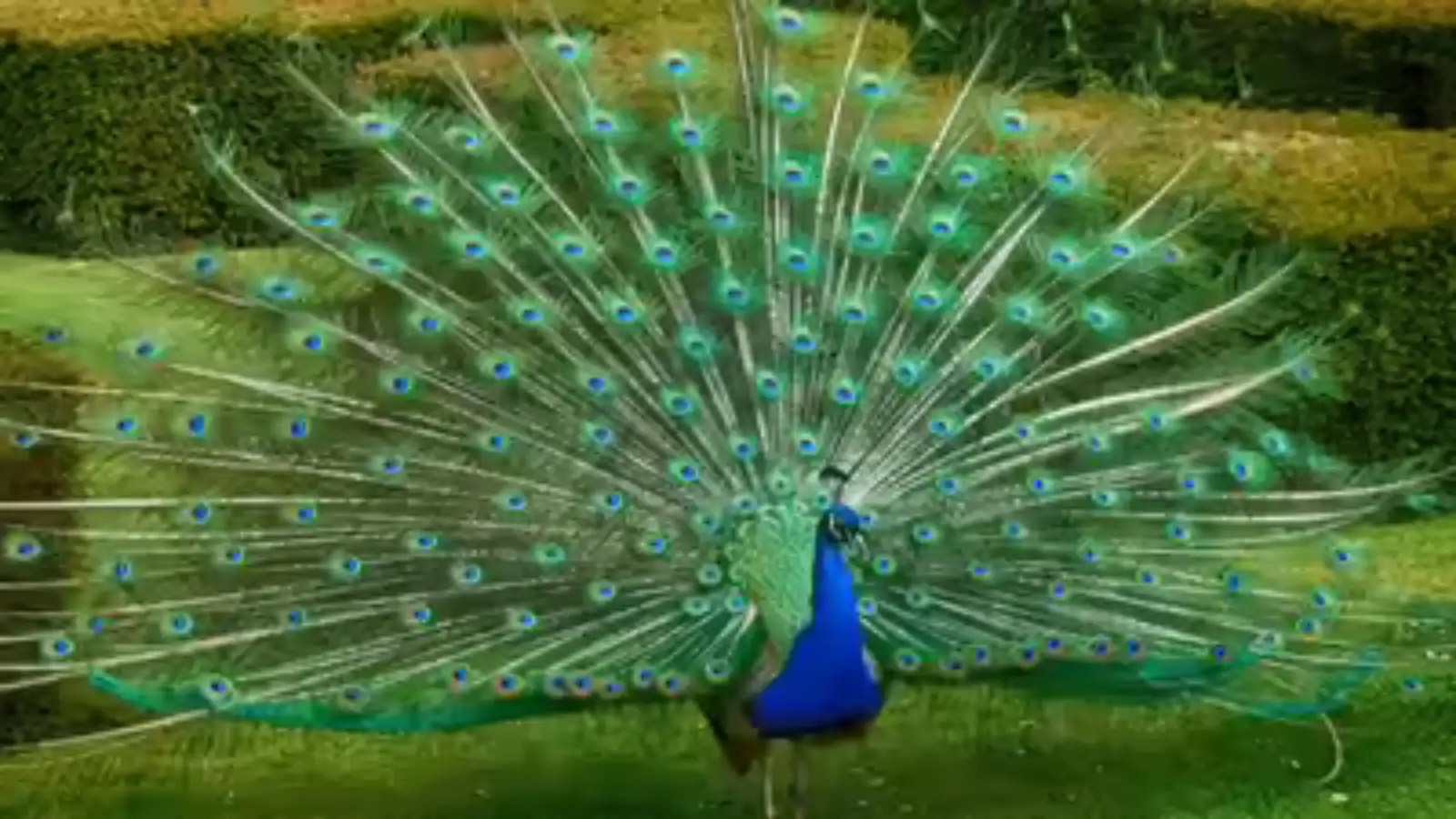
1. Peacocks Are Strong Flyers Despite Their Massive Feather Display
One of the biggest myths about peacocks is that they cannot fly because of their enormous feather trains. In reality, these birds are capable of powerful short-distance flights whenever they need to escape danger or reach a safe resting place.
Although they spend most of their time walking on the ground, peacocks regularly fly onto tree branches, rooftops, and other elevated spots to spend the night. Their muscular legs provide the force needed for take-off, while their broad wings carry them smoothly through the air. Their spectacular feather train may appear heavy, but it doesn't stop them from getting airborne when necessary.
2. The Famous Colourful Display Isn't Actually Their Tail
The stunning fan that makes peacocks world-famous isn't their true tail at all. Those shimmering, eye-patterned feathers are known as the train, and they grow from specialised upper tail coverts rather than the actual tail.
The real tail is much shorter and usually hidden beneath this elaborate display. During courtship, the true tail works like a support frame, lifting and holding the colourful train upright while the male performs his famous display. This clever design allows peacocks to create one of nature's most spectacular visual performances.
3. Not Every Peafowl Is Called a Peacock
Many people mistakenly use the word "peacock" for every bird in the species, but the terminology is more specific than that.
Only the male bird is called a peacock. The female is known as a peahen, while the young are called peachicks. Together, the entire group belongs to the species known as peafowl.
Male peacocks are recognised for their brilliant blue and green feathers, which play a vital role during the breeding season. Peahens, in contrast, have duller brown and grey plumage that helps them blend into their surroundings while nesting and protecting their young from predators.
4. Their Feather Displays Carry Hidden Signals
A peacock's courtship performance involves much more than simply showing off colourful feathers. During mating displays, males rapidly vibrate their trains, creating subtle movements and extremely low-frequency sounds.
Although these vibrations are nearly impossible for humans to notice, research suggests that nearby peahens can detect them. These hidden signals may provide valuable information about a male's strength, health, and overall fitness, allowing females to assess potential mates using more than visual appearance alone.
5. Their Brilliant Colours Come From Light, Not Pigments
The vibrant blues and greens seen on a peacock are produced in a completely different way from the colours found in most birds.
Instead of relying on coloured pigments, peacock feathers contain microscopic structures that manipulate light. These tiny structures reflect and scatter light in different directions, creating an optical effect known as structural colouration.
Because of this unique phenomenon, the feathers appear to shimmer and change colour depending on the angle from which they are viewed. This dazzling effect is one of the finest examples of nature's remarkable engineering and explains why peacocks seem to glow in bright sunlight.
Why Peacocks Continue to Fascinate Scientists
Peacocks are far more than beautiful birds with colourful feathers. Their ability to fly, specialised feather structures, hidden communication methods, and fascinating breeding behaviours make them one of the most extraordinary bird species on Earth. Every new discovery about peafowl reveals just how cleverly nature has shaped these magnificent creatures, proving that their beauty is only one part of an even more remarkable story.
1. Peacocks Are Strong Flyers Despite Their Massive Feather Display
One of the biggest myths about peacocks is that they cannot fly because of their enormous feather trains. In reality, these birds are capable of powerful short-distance flights whenever they need to escape danger or reach a safe resting place.
Although they spend most of their time walking on the ground, peacocks regularly fly onto tree branches, rooftops, and other elevated spots to spend the night. Their muscular legs provide the force needed for take-off, while their broad wings carry them smoothly through the air. Their spectacular feather train may appear heavy, but it doesn't stop them from getting airborne when necessary.
2. The Famous Colourful Display Isn't Actually Their Tail
The stunning fan that makes peacocks world-famous isn't their true tail at all. Those shimmering, eye-patterned feathers are known as the train, and they grow from specialised upper tail coverts rather than the actual tail.
The real tail is much shorter and usually hidden beneath this elaborate display. During courtship, the true tail works like a support frame, lifting and holding the colourful train upright while the male performs his famous display. This clever design allows peacocks to create one of nature's most spectacular visual performances.
You may also like
- How did Sandwich get its name? The lesser-known history of the gambling lord who gave the sandwich its name?
- Controversy Erupts on Lock Upp 2 Over Personal Boundaries
- There are only 8 states in America starting with 'N' and each offers a unique travel experience
- Kriti Sanon gives the conventional power suit a couture upgrade with a statement corset twist
- Quote of the Day by Friedrich Nietzsche "What makes unhappy marriages? It is not the lack of love but the absence of...."
3. Not Every Peafowl Is Called a Peacock
Many people mistakenly use the word "peacock" for every bird in the species, but the terminology is more specific than that.
Only the male bird is called a peacock. The female is known as a peahen, while the young are called peachicks. Together, the entire group belongs to the species known as peafowl.
Male peacocks are recognised for their brilliant blue and green feathers, which play a vital role during the breeding season. Peahens, in contrast, have duller brown and grey plumage that helps them blend into their surroundings while nesting and protecting their young from predators.
4. Their Feather Displays Carry Hidden Signals
A peacock's courtship performance involves much more than simply showing off colourful feathers. During mating displays, males rapidly vibrate their trains, creating subtle movements and extremely low-frequency sounds.
Although these vibrations are nearly impossible for humans to notice, research suggests that nearby peahens can detect them. These hidden signals may provide valuable information about a male's strength, health, and overall fitness, allowing females to assess potential mates using more than visual appearance alone.
5. Their Brilliant Colours Come From Light, Not Pigments
The vibrant blues and greens seen on a peacock are produced in a completely different way from the colours found in most birds.
Instead of relying on coloured pigments, peacock feathers contain microscopic structures that manipulate light. These tiny structures reflect and scatter light in different directions, creating an optical effect known as structural colouration.
Because of this unique phenomenon, the feathers appear to shimmer and change colour depending on the angle from which they are viewed. This dazzling effect is one of the finest examples of nature's remarkable engineering and explains why peacocks seem to glow in bright sunlight.
Why Peacocks Continue to Fascinate Scientists
Peacocks are far more than beautiful birds with colourful feathers. Their ability to fly, specialised feather structures, hidden communication methods, and fascinating breeding behaviours make them one of the most extraordinary bird species on Earth. Every new discovery about peafowl reveals just how cleverly nature has shaped these magnificent creatures, proving that their beauty is only one part of an even more remarkable story.






Loving Newspoint? Download the app now
