
5 Breathtaking Places Around the World You Can Never Visit

Human nature makes us naturally curious about the things we cannot have. In the world of travel, nothing sparks intrigue quite like a destination marked "strictly prohibited." While modern aviation and technology have made it easier than ever to visit remote corners of the globe, several breathtaking landscapes, secret military zones, and ancient historical sites remain entirely closed to the public.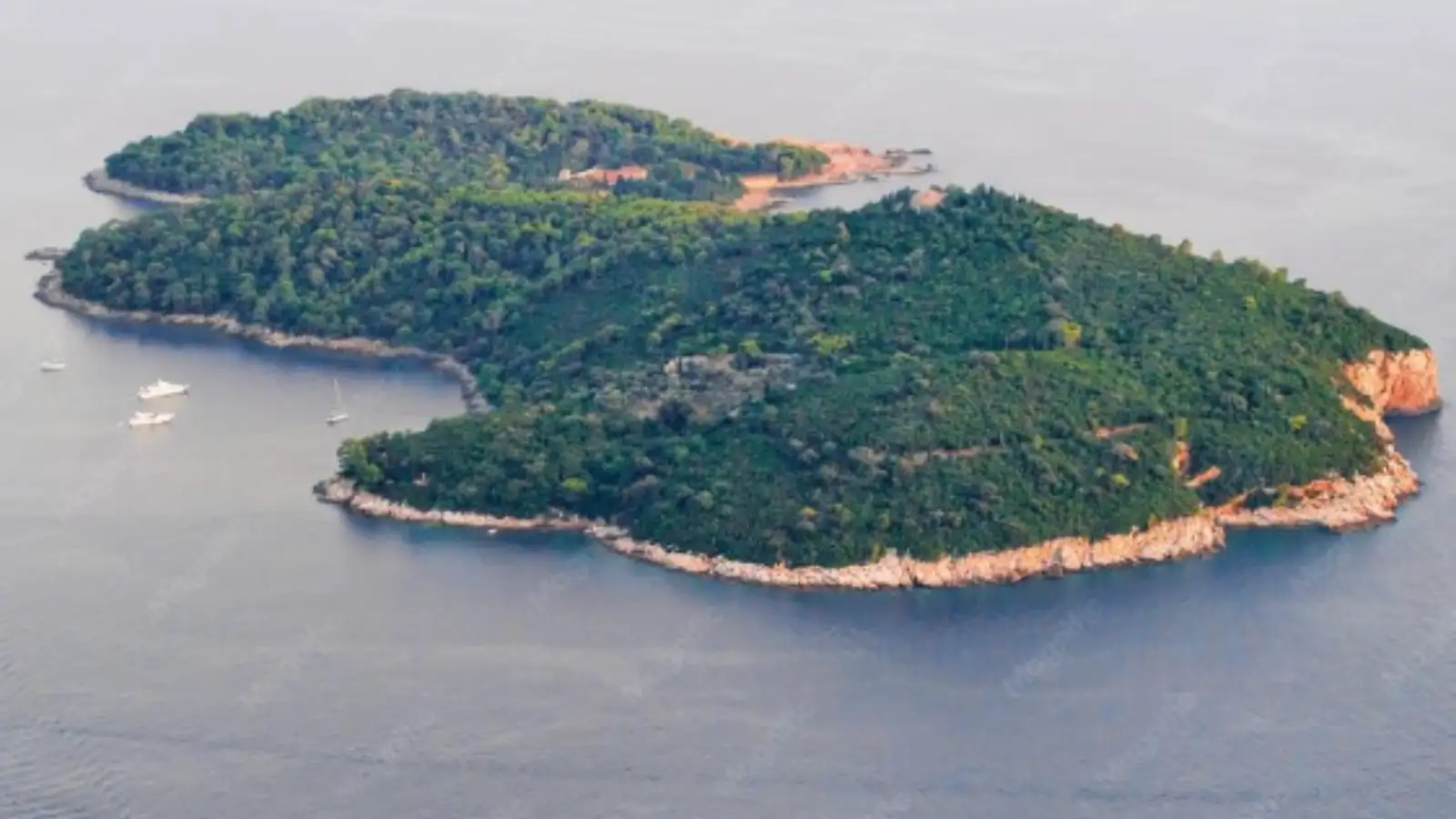
Whether it is to preserve a virgin ecosystem, show cultural respect, or simply avoid a deadly situation, five stunning places around the world enforce a strict, no-entry policy for travelers.
The island is inhabited by the Sentinelese tribe, one of the very last completely uncontacted indigenous populations remaining on the planet. To preserve their ancient way of life and protect them from modern diseases to which they have zero immunity, the Indian government has established a strict multi-mile exclusion zone around the island, making any attempt to approach it illegal and highly dangerous.
Unlike almost every other landmass on Earth, the island of Surtsey is younger than many humans alive today. Located off the southern coast of Iceland, this unique island was born between 1963 and 1967 due to a massive underwater volcanic eruption.
Because it rose from the ocean completely clean of any life, scientists consider Surtsey a priceless natural laboratory. It offers a rare opportunity to observe exactly how plants, birds, and insects naturally settle on brand-new land. To prevent outside seeds, bacteria, or human trash from ruining this fragile ecological experiment, tourists are permanently banned, leaving the island open only to a handful of approved researchers.
Discovered purely by accident by a group of teenagers in 1940, the Lascaux Cave complex in southwestern France contains some of the most spectacular prehistoric art in human history. The cave walls are adorned with roughly 17,000-year-old Paleolithic paintings, showing highly detailed depictions of horses, deer, bulls, and abstract symbols created by early humans.
The caves initially opened to the public and became incredibly popular, but the sudden influx of thousands of tourists brought in body heat, exhaled carbon dioxide, humidity, and microscopic fungus. The environment rapidly began to corrode the priceless art. Realizing the danger, the government closed the cave permanently in 1963; today, travelers can only visit a highly precise, man-made replica built nearby.
The island is the exclusive home of the golden lancehead pit viper, one of the most venomous snakes in the world, whose specialized venom can dissolve human tissue almost instantly. With an estimated density of one to five snakes per square meter, the island is far too dangerous for the public. The Brazilian Navy heavily restricts access, opening the island only to strictly monitored scientific research teams and emergency military maintenance crews.
Situated deep within the barren deserts of southern Nevada, Area 51 is arguably the most famous secret location on earth. For decades, this highly classified United States military base has sat at the absolute center of global pop culture, inspiring countless alien conspiracy theories, UFO rumors, and science fiction movies.
While the surrounding desert has become a quirky tourist trap filled with alien-themed diners and observation points, the actual perimeter of the base is heavily guarded by advanced motion sensors, patrol vehicles, and armed security. Crossing the boundary line is strictly forbidden and results in immediate arrest, massive fines, or worse.
Whether it is to preserve a virgin ecosystem, show cultural respect, or simply avoid a deadly situation, five stunning places around the world enforce a strict, no-entry policy for travelers.
1. North Sentinel Island , India
Tucked away inside the remote Andaman and Nicobar archipelago, North Sentinel Island looks like the ultimate tropical paradise, complete with dense, untouched rainforests and crystal-clear turquoise waters. However, it is easily one of the most isolated places on Earth.You may also like
- Missed FD Interest in Your ITR? Here's How You Can Still Correct the Error and Avoid Tax Trouble
- “You cannot raise two children alone”: How Suvendu Sarkar who never got a parent's love became both mother and father to his kids
- How UAE running communities inspired a new limited-edition sneaker
- Can You Use Stairs During Pregnancy? Safety Tips for Every Trimester
- Railways: Traveling on a train without a ticket will now prove costly; the Railways has increased the fine to ₹500..
The island is inhabited by the Sentinelese tribe, one of the very last completely uncontacted indigenous populations remaining on the planet. To preserve their ancient way of life and protect them from modern diseases to which they have zero immunity, the Indian government has established a strict multi-mile exclusion zone around the island, making any attempt to approach it illegal and highly dangerous.
2. Surtsey, Iceland
Unlike almost every other landmass on Earth, the island of Surtsey is younger than many humans alive today. Located off the southern coast of Iceland, this unique island was born between 1963 and 1967 due to a massive underwater volcanic eruption. Because it rose from the ocean completely clean of any life, scientists consider Surtsey a priceless natural laboratory. It offers a rare opportunity to observe exactly how plants, birds, and insects naturally settle on brand-new land. To prevent outside seeds, bacteria, or human trash from ruining this fragile ecological experiment, tourists are permanently banned, leaving the island open only to a handful of approved researchers.
3. Lascaux Cave, France
Discovered purely by accident by a group of teenagers in 1940, the Lascaux Cave complex in southwestern France contains some of the most spectacular prehistoric art in human history. The cave walls are adorned with roughly 17,000-year-old Paleolithic paintings, showing highly detailed depictions of horses, deer, bulls, and abstract symbols created by early humans.The caves initially opened to the public and became incredibly popular, but the sudden influx of thousands of tourists brought in body heat, exhaled carbon dioxide, humidity, and microscopic fungus. The environment rapidly began to corrode the priceless art. Realizing the danger, the government closed the cave permanently in 1963; today, travelers can only visit a highly precise, man-made replica built nearby.
4. Snake Island, Brazil
Known officially as Ilha da Queimada Grande, this lush, green tropical island located just off the coast of São Paulo looks like an idyllic vacation getaway from a cruise ship window. But stepping foot on its shores is a literal death sentence.The island is the exclusive home of the golden lancehead pit viper, one of the most venomous snakes in the world, whose specialized venom can dissolve human tissue almost instantly. With an estimated density of one to five snakes per square meter, the island is far too dangerous for the public. The Brazilian Navy heavily restricts access, opening the island only to strictly monitored scientific research teams and emergency military maintenance crews.
5. Area 51, United States
Situated deep within the barren deserts of southern Nevada, Area 51 is arguably the most famous secret location on earth. For decades, this highly classified United States military base has sat at the absolute center of global pop culture, inspiring countless alien conspiracy theories, UFO rumors, and science fiction movies. While the surrounding desert has become a quirky tourist trap filled with alien-themed diners and observation points, the actual perimeter of the base is heavily guarded by advanced motion sensors, patrol vehicles, and armed security. Crossing the boundary line is strictly forbidden and results in immediate arrest, massive fines, or worse.






More from our partners


Loving Newspoint? Download the app now
