
5 Vegetables for Fatty Liver: Can They Improve Liver Health in 3 Months?

Fatty liver disease occurs when excess fat builds up in the liver, potentially affecting its normal functioning over time. Including vegetables such as spinach, broccoli, Brussels sprouts, kale and carrots in your diet may support fatty liver management by providing fibre, vitamins and antioxidants. However, no single vegetable can reverse fatty liver disease within three months. A balanced diet, regular exercise, weight management and medical guidance are important for improving liver health.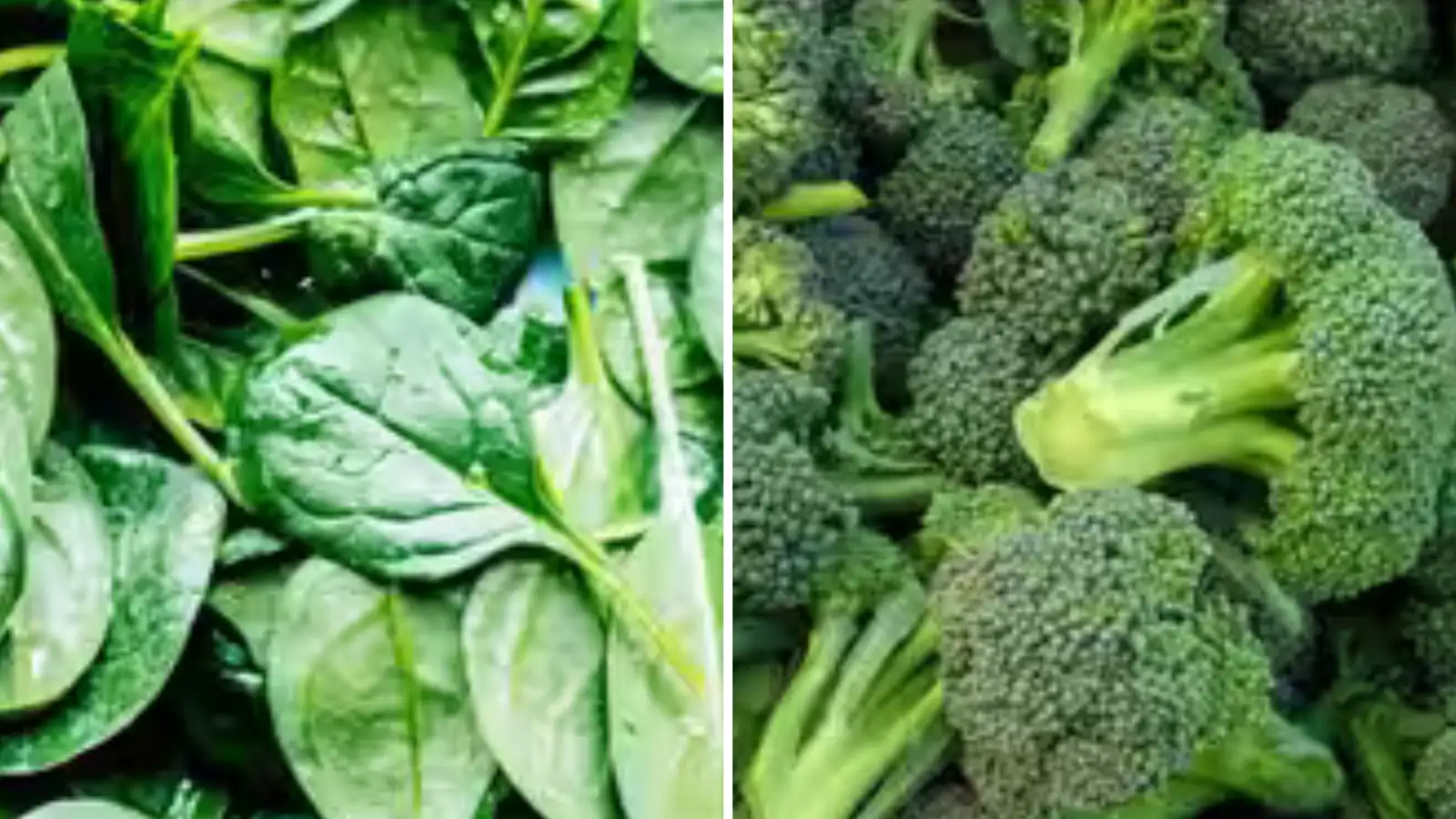
If the condition progresses, it can lead to liver inflammation, scarring and, in severe cases, cirrhosis. The good news is that lifestyle changes can help reduce liver fat and improve overall metabolic health. Adding nutrient-rich vegetables to everyday meals is one practical step towards this goal.
Fibre helps improve digestion and supports blood sugar management, while antioxidants help protect cells from oxidative stress. Since insulin resistance and metabolic problems can contribute to fat accumulation in the liver, eating spinach as part of a balanced diet may support better metabolic health.
How to eat it: Add spinach to salads, soups, dals, vegetable dishes or smoothies. Lightly cooking it is another easy way to include it in regular meals.
Replacing calorie-dense, highly processed foods with vegetables such as broccoli may help with weight management. Maintaining a healthy weight, when needed, is an important part of managing fatty liver disease.
How to eat it: Steam broccoli, roast it with a little olive oil or add it to soups, stir-fries and mixed vegetable dishes. Avoid relying on heavily fried preparations if your goal is to improve overall diet quality.
Some compounds found in cruciferous vegetables are being studied for their potential effects on the body's metabolic and protective processes. However, evidence does not establish that Brussels sprouts alone can remove liver fat or normalise liver enzymes.
How to eat them: Roast or steam Brussels sprouts, or add them to salads and vegetable bowls. If you do not usually eat them, start with a small serving and increase it according to your comfort and preference.
A diet rich in vegetables may also make it easier to manage calorie intake and maintain a healthy weight. These changes can be useful for people with fatty liver disease, particularly when combined with regular physical activity and appropriate medical care.
There is not enough evidence to claim that eating kale every day directly removes fat from the liver or reliably improves liver enzyme levels on its own.
How to eat it: Add kale to soups, salads, vegetable stir-fries or cooked dishes. You can also combine it with other leafy greens to make your meals more varied.
Eating whole carrots can help increase fibre intake and add natural sweetness to meals without relying on sugary foods. When included in a balanced eating plan, they may support weight management and overall metabolic health. However, carrots should not be considered a treatment that directly repairs liver cells or reverses fatty liver disease.
How to eat them: Enjoy carrots raw, steamed, roasted or mixed into salads, soups and vegetable dishes. Whole carrots are generally a better everyday choice than sweetened carrot juice.
For some people, meaningful improvements in liver fat may occur over a few months when they make sustained changes to their diet and physical activity. Others may need more time and medical treatment for related conditions. Eating these five vegetables can contribute to a healthier diet, but they are not a cure on their own.
Do not stop prescribed medicines or depend on dietary changes alone to treat liver disease. Seek prompt medical attention if you develop yellowing of the skin or eyes, abdominal swelling, confusion or other concerning symptoms.
Spinach, broccoli, Brussels sprouts, kale and carrots are nutritious vegetables that can support a balanced, liver-friendly diet. However, no vegetable can guarantee that fatty liver disease will reverse in three months. Sustainable dietary changes, physical activity, weight management where appropriate and regular medical follow-up offer a more reliable approach to protecting liver health.
What Is Fatty Liver Disease?
Fatty liver disease develops when too much fat accumulates in liver cells. It can be associated with obesity, insulin resistance, type 2 diabetes and other metabolic conditions. In its early stages, it may not cause noticeable symptoms, although some people experience fatigue or discomfort in the upper-right abdomen.If the condition progresses, it can lead to liver inflammation, scarring and, in severe cases, cirrhosis. The good news is that lifestyle changes can help reduce liver fat and improve overall metabolic health. Adding nutrient-rich vegetables to everyday meals is one practical step towards this goal.
1. Spinach: A Source of Antioxidants and Fibre
Spinach is a nutritious leafy green that can be a useful addition to a liver-friendly diet. It contains fibre, vitamins and antioxidants that help support overall health.Fibre helps improve digestion and supports blood sugar management, while antioxidants help protect cells from oxidative stress. Since insulin resistance and metabolic problems can contribute to fat accumulation in the liver, eating spinach as part of a balanced diet may support better metabolic health.
How to eat it: Add spinach to salads, soups, dals, vegetable dishes or smoothies. Lightly cooking it is another easy way to include it in regular meals.
2. Broccoli: Supports a Balanced Diet
Broccoli contains fibre, vitamin C and plant compounds called glucosinolates. These compounds are studied for their role in the body's natural protective processes. Broccoli also provides nutrients that support general health and help make meals more filling.Replacing calorie-dense, highly processed foods with vegetables such as broccoli may help with weight management. Maintaining a healthy weight, when needed, is an important part of managing fatty liver disease.
How to eat it: Steam broccoli, roast it with a little olive oil or add it to soups, stir-fries and mixed vegetable dishes. Avoid relying on heavily fried preparations if your goal is to improve overall diet quality.
3. Brussels Sprouts: Rich in Fibre and Plant Compounds
Brussels sprouts belong to the same cruciferous vegetable family as broccoli and cabbage. They provide fibre, vitamins and beneficial plant compounds that can contribute to a balanced eating pattern.Some compounds found in cruciferous vegetables are being studied for their potential effects on the body's metabolic and protective processes. However, evidence does not establish that Brussels sprouts alone can remove liver fat or normalise liver enzymes.
How to eat them: Roast or steam Brussels sprouts, or add them to salads and vegetable bowls. If you do not usually eat them, start with a small serving and increase it according to your comfort and preference.
4. Kale: A Leafy Green With Essential Nutrients
Kale is another leafy green that provides fibre, vitamins, minerals and antioxidants. Including it in a varied diet can help increase vegetable intake and support overall metabolic health.A diet rich in vegetables may also make it easier to manage calorie intake and maintain a healthy weight. These changes can be useful for people with fatty liver disease, particularly when combined with regular physical activity and appropriate medical care.
There is not enough evidence to claim that eating kale every day directly removes fat from the liver or reliably improves liver enzyme levels on its own.
How to eat it: Add kale to soups, salads, vegetable stir-fries or cooked dishes. You can also combine it with other leafy greens to make your meals more varied.
5. Carrots: Provide Beta-Carotene and Fibre
Carrots are a convenient source of beta-carotene, which the body can convert into vitamin A as needed. They also contain fibre and other nutrients that contribute to a healthy diet.Eating whole carrots can help increase fibre intake and add natural sweetness to meals without relying on sugary foods. When included in a balanced eating plan, they may support weight management and overall metabolic health. However, carrots should not be considered a treatment that directly repairs liver cells or reverses fatty liver disease.
How to eat them: Enjoy carrots raw, steamed, roasted or mixed into salads, soups and vegetable dishes. Whole carrots are generally a better everyday choice than sweetened carrot juice.
You may also like
- “I was denied entry to a temple for wearing shorts”: Meet Nehaa Bhatt, who lost a leg in a bus accident in 2021 but rebuilt her life with Ampu-Tea, dances Garba and takes on Himalayan pilgrimages with a prosthetic leg
- Dr. Surakasi Raviteja: The professor who completed 16 NPTEL courses while teaching full-time and is still learning eight more, proving that education need not end at graduation
- Can You Drive During Pregnancy? Safety Tips for Every Trimester
- “Everyone thought I was crazy”: 26-year-old super-commuter flies from Los Angeles to San Francisco for work 3 days a week, and calls it the “best of both worlds”
- EPFO New Update: Deadline for filing PF returns extended; complete the task by October 31..
Can These Vegetables Reverse Fatty Liver in 3 Months?
There is no guaranteed three-month timeline for reversing fatty liver disease. The outcome depends on factors such as the severity of the condition, body weight, blood sugar levels, alcohol intake, other health conditions and consistency with lifestyle changes.For some people, meaningful improvements in liver fat may occur over a few months when they make sustained changes to their diet and physical activity. Others may need more time and medical treatment for related conditions. Eating these five vegetables can contribute to a healthier diet, but they are not a cure on their own.
Other Ways to Improve Liver Health
Along with eating more vegetables, consider these evidence-based lifestyle measures:- Manage your weight: If you are overweight, gradual and sustained weight loss can help reduce liver fat.
- Exercise regularly: Aim for consistent physical activity, including brisk walking or other activities suited to your fitness level.
- Limit sugary foods and drinks: Reduce sugary beverages and foods high in added sugar, especially those containing large amounts of fructose.
- Choose balanced meals: Include vegetables, whole grains, pulses, suitable protein sources and healthy fats.
- Avoid or limit alcohol: Alcohol can worsen some forms of liver disease. Ask your doctor whether you should avoid it completely.
- Monitor related conditions: Keep diabetes, high cholesterol and high blood pressure under control with appropriate medical care.
When Should You Consult a Doctor?
Fatty liver disease may not cause clear symptoms in its early stages, so medical assessment is important if you have risk factors such as diabetes, obesity or abnormal liver test results. A healthcare professional can recommend suitable tests, assess the severity of the condition and advise on an appropriate treatment plan.Do not stop prescribed medicines or depend on dietary changes alone to treat liver disease. Seek prompt medical attention if you develop yellowing of the skin or eyes, abdominal swelling, confusion or other concerning symptoms.
Spinach, broccoli, Brussels sprouts, kale and carrots are nutritious vegetables that can support a balanced, liver-friendly diet. However, no vegetable can guarantee that fatty liver disease will reverse in three months. Sustainable dietary changes, physical activity, weight management where appropriate and regular medical follow-up offer a more reliable approach to protecting liver health.






Loving Newspoint? Download the app now
