
How Social Media Impacts Gen Z Mental Health: 5 Hidden Effects

Social media has become an essential part of modern life, especially for Gen Z. It allows people to connect with friends, discover new ideas and stay informed about the world. However, spending hours scrolling through carefully curated posts can also have a significant impact on Gen Z mental health .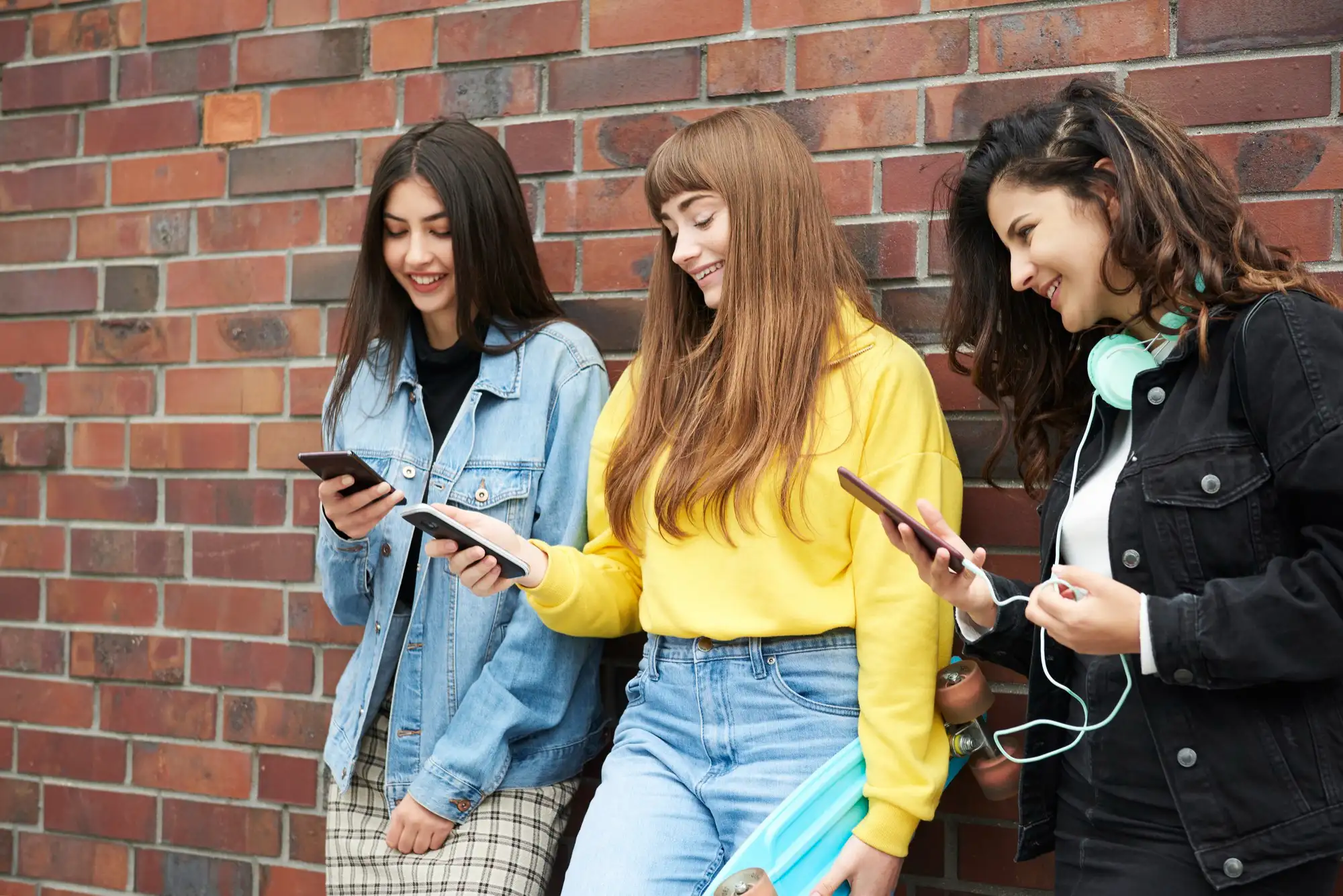
From social media comparison to fear of missing out ( FOMO ), the digital world often presents an unrealistic picture of life. While these platforms can be entertaining and informative, it's important to use them mindfully and avoid letting them influence your confidence or emotional well-being.
Here are five common ways social media can affect mental health and what you can do to protect yourself.
In reality, many images are edited, filtered or carefully staged. Constant social media comparison can reduce self-confidence and make you overlook your own progress and accomplishments.
Also Read: Doomscrolling and Mental Health: How Endless Scrolling Impacts Your Mind and Simple Ways to Stop
Remember that everyone follows a different journey. Success does not happen at the same pace for everyone, and your worth should never be measured by someone else's social media posts.
Instead of comparing yourself with digitally enhanced images, focus on developing healthy habits. Every person's body is unique, and achieving fitness goals requires patience, consistency and guidance from qualified professionals rather than shortcuts.
Constantly checking updates or comparing your lifestyle with others can increase stress and anxiety. It's important to remember that social media only captures selected moments rather than everyday reality.
Trying to maintain a perfect online image can become emotionally exhausting. Instead, focus on authenticity, personal growth and meaningful relationships rather than seeking approval through likes and followers.
Also Read: How Spending Time Outdoors Improves Your Physical and Mental Health
Most importantly, remember that every person's journey is different. Celebrate your own achievements, practise gratitude and avoid measuring your success against carefully curated online content.
From social media comparison to fear of missing out ( FOMO ), the digital world often presents an unrealistic picture of life. While these platforms can be entertaining and informative, it's important to use them mindfully and avoid letting them influence your confidence or emotional well-being.
Here are five common ways social media can affect mental health and what you can do to protect yourself.
1. Constant Comparison Can Lower Self-Esteem
One of the biggest challenges of social media is comparing your everyday life with someone else's highlight reel. People often share only their happiest moments, biggest achievements or luxurious experiences, making it easy to feel as though you're falling behind.In reality, many images are edited, filtered or carefully staged. Constant social media comparison can reduce self-confidence and make you overlook your own progress and accomplishments.
Also Read: Doomscrolling and Mental Health: How Endless Scrolling Impacts Your Mind and Simple Ways to Stop
2. It Can Make You Question Your Self-Worth
Seeing others celebrate promotions, holidays, awards or major life milestones may leave you wondering if you're doing enough. Over time, this can create feelings of inadequacy and self-doubt.Remember that everyone follows a different journey. Success does not happen at the same pace for everyone, and your worth should never be measured by someone else's social media posts.
3. Unrealistic Beauty Standards Can Lead To Body Image Issues
Another major concern linked to social media mental health is the rise in body image issues. Filters, editing apps and unrealistic beauty trends can create pressure to look a certain way.You may also like
- Australian woman gives birth to rare identical quadruplet girls after naturally conceived pregnancy
- Health Tips: Why Drinking Tea or Coffee on an Empty Stomach May Not Be the Best Way to Start Your Day
- Monsoon Shoe Care: 5 Easy Ways to Protect Your Leather Shoes During the Rainy Season
- Why Your Beard Never Looks Full and Healthy
- Goa raises casino entry age bar: Travellers under 21 can no longer enter gambling zones; what visitors need to know
Instead of comparing yourself with digitally enhanced images, focus on developing healthy habits. Every person's body is unique, and achieving fitness goals requires patience, consistency and guidance from qualified professionals rather than shortcuts.
4. Fear Of Missing Out (FOMO)
The fear of missing out, commonly known as FOMO, can affect emotional well-being. Seeing friends attend parties, travel or celebrate special occasions may leave you feeling excluded, even if you were perfectly content before opening the app.Constantly checking updates or comparing your lifestyle with others can increase stress and anxiety. It's important to remember that social media only captures selected moments rather than everyday reality.
5. Pressure To Appear Perfect
Many users feel pressured to present a flawless image online. From appearance and career success to relationships and lifestyle, social media often encourages people to showcase only the best parts of their lives.Trying to maintain a perfect online image can become emotionally exhausting. Instead, focus on authenticity, personal growth and meaningful relationships rather than seeking approval through likes and followers.
Also Read: How Spending Time Outdoors Improves Your Physical and Mental Health
How To Protect Your Mental Wellbeing
Maintaining good mental wellbeing starts with setting healthy digital boundaries. A regular social media detox can help reduce stress and improve focus. Spending time on hobbies such as reading, painting, gardening, exercising or learning a new skill can also provide a healthier balance.Most importantly, remember that every person's journey is different. Celebrate your own achievements, practise gratitude and avoid measuring your success against carefully curated online content.






Loving Newspoint? Download the app now
