
6 Indian Spices That Became Popular Around the World

Indian spices have shaped global cooking for centuries, travelling across ancient trade routes and finding a permanent place in kitchens around the world. From traditional Indian households to high-end international restaurants, these flavours have become essential ingredients in global cuisine . Their rich aroma, bold taste and natural versatility make them some of the most influential elements in world food culture.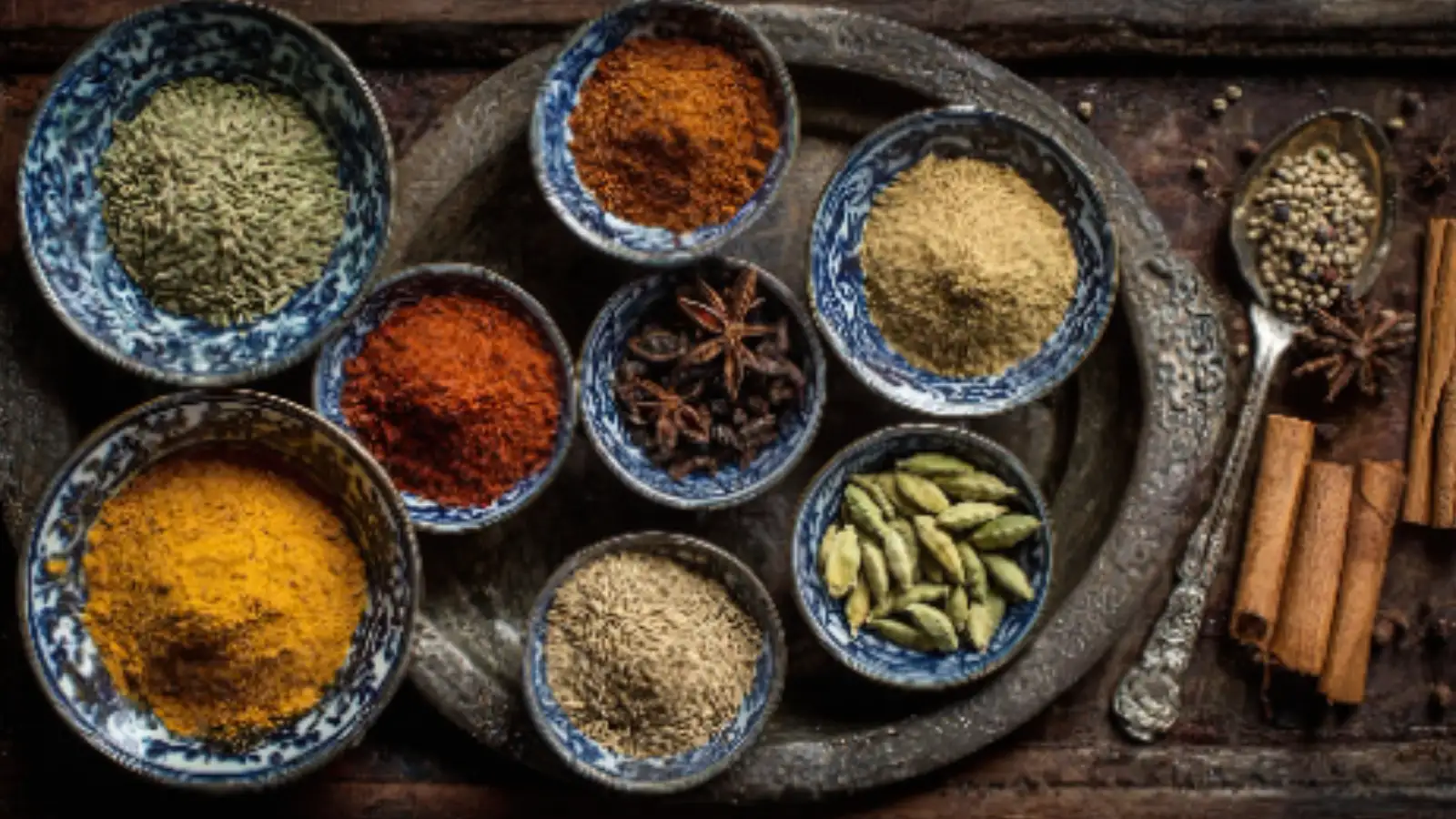
Below are six iconic desi spices that have successfully crossed borders and transformed international cooking styles.
Black Pepper : The Global “King of Spices”
Black pepper, originally from India’s Malabar Coast, is one of the earliest spices to dominate global trade. Known for its sharp heat and deep earthy taste, it is now a staple seasoning across continents.
From European soups and sauces to Asian stir-fries and marinades, black pepper is used almost everywhere. Its universal appeal makes it one of the most widely consumed spices in the world today.
Cardamom : The Fragrant Luxury Spice
Cardamom, native to South India, is celebrated for its strong aroma and slightly sweet flavour. It is often considered a premium spice due to its rich fragrance and high value in global markets.
This spice is widely used in Scandinavian pastries, Middle Eastern coffee blends and Indian desserts. Its unique scent and taste make it a favourite in both sweet and savoury dishes worldwide.
Cumin: The Earthy Flavour Enhancer
Cumin has been a key ingredient in Indian kitchens for generations, but its popularity extends far beyond India. With its warm, earthy and slightly smoky flavour, it plays a major role in Mexican, Middle Eastern and African cooking.
Whether used in spice blends, curries or slow-cooked stews, cumin adds depth and character to dishes, making it an essential global spice.
Cloves: The Bold Aromatic Ingredient
Cloves, once traded extensively through Indian ports, are known for their intense aroma and strong flavour. Even a small quantity can significantly enhance a dish.
They are commonly used in biryanis, baked goods, festive drinks and spice mixes across the world. Their warming taste makes them especially popular in winter recipes and traditional celebrations.
Cinnamon : The Sweet and Warm Classic
Indian cinnamon, especially cassia, has influenced global cuisine for centuries. Its sweet, warm flavour is used in both desserts and savoury dishes, making it one of the most flexible spices in cooking.
From baked goods in Europe to spiced curries in Asia and fragrant beverages in the Middle East, cinnamon continues to be a global kitchen essential.
Turmeric : The Golden Super Spice
Turmeric has been a cornerstone of Indian cooking and traditional wellness practices for centuries. Known for its vibrant yellow colour, it adds both visual appeal and earthy flavour to dishes.
Today, turmeric is widely used in curries, teas, smoothies and health drinks across the world. Its active compound, curcumin, has also made it popular in global wellness trends.
From bold black pepper to golden turmeric, Indian spices have left an unforgettable mark on international cuisine. Their journey from Indian soil to global kitchens highlights not just their culinary value but also their cultural importance. These desi flavours continue to enrich dishes worldwide, proving that Indian spices are truly timeless global treasures.
Below are six iconic desi spices that have successfully crossed borders and transformed international cooking styles.
Black Pepper : The Global “King of Spices”
Black pepper, originally from India’s Malabar Coast, is one of the earliest spices to dominate global trade. Known for its sharp heat and deep earthy taste, it is now a staple seasoning across continents.
From European soups and sauces to Asian stir-fries and marinades, black pepper is used almost everywhere. Its universal appeal makes it one of the most widely consumed spices in the world today.
Cardamom : The Fragrant Luxury Spice
Cardamom, native to South India, is celebrated for its strong aroma and slightly sweet flavour. It is often considered a premium spice due to its rich fragrance and high value in global markets.
This spice is widely used in Scandinavian pastries, Middle Eastern coffee blends and Indian desserts. Its unique scent and taste make it a favourite in both sweet and savoury dishes worldwide.
Cumin: The Earthy Flavour Enhancer
Cumin has been a key ingredient in Indian kitchens for generations, but its popularity extends far beyond India. With its warm, earthy and slightly smoky flavour, it plays a major role in Mexican, Middle Eastern and African cooking.
Whether used in spice blends, curries or slow-cooked stews, cumin adds depth and character to dishes, making it an essential global spice.
Cloves: The Bold Aromatic Ingredient
Cloves, once traded extensively through Indian ports, are known for their intense aroma and strong flavour. Even a small quantity can significantly enhance a dish.
They are commonly used in biryanis, baked goods, festive drinks and spice mixes across the world. Their warming taste makes them especially popular in winter recipes and traditional celebrations.
Cinnamon : The Sweet and Warm Classic
Indian cinnamon, especially cassia, has influenced global cuisine for centuries. Its sweet, warm flavour is used in both desserts and savoury dishes, making it one of the most flexible spices in cooking.
From baked goods in Europe to spiced curries in Asia and fragrant beverages in the Middle East, cinnamon continues to be a global kitchen essential.
Turmeric : The Golden Super Spice
Turmeric has been a cornerstone of Indian cooking and traditional wellness practices for centuries. Known for its vibrant yellow colour, it adds both visual appeal and earthy flavour to dishes.
Today, turmeric is widely used in curries, teas, smoothies and health drinks across the world. Its active compound, curcumin, has also made it popular in global wellness trends.
From bold black pepper to golden turmeric, Indian spices have left an unforgettable mark on international cuisine. Their journey from Indian soil to global kitchens highlights not just their culinary value but also their cultural importance. These desi flavours continue to enrich dishes worldwide, proving that Indian spices are truly timeless global treasures.
Next Story