
6 Simple Ways To Detect Adulteration In Paneer At Home

Paneer, a popular source of protein and calcium, is a staple in many Indian households. However, the increasing prevalence of adulteration in dairy products raises concerns about its safety and nutritional value. Consuming adulterated paneer can lead to severe health issues, ranging from digestive discomfort to long-term effects on the kidneys and liver. Fortunately, with a few simple tests, you can check the quality of paneer at home. Here’s a guide to help you identify adulteration and ensure the paneer you consume is pure and safe.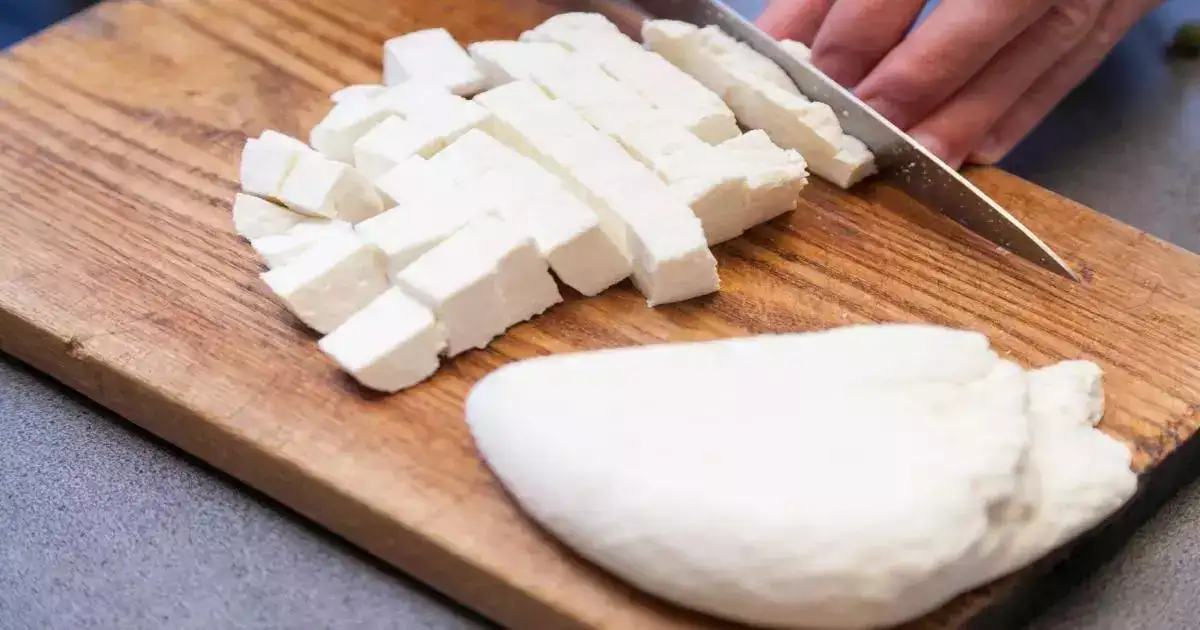
1. Check the Texture and Smell
The texture and aroma of paneer are the first indicators of its quality. Pure paneer has a soft, smooth texture and a fresh, mild dairy scent. If the paneer feels rubbery, overly hard, or emits a sour or chemical-like odour, it may contain synthetic ingredients or be past its prime. Always rely on your senses to gauge its freshness before proceeding with other tests.
2. Perform the Heat Test
This straightforward method can reveal starch adulteration. Take a small piece of paneer and heat it in a pan over low flame. If it releases excessive water or doesn’t hold its shape, it may contain added starch. Pure paneer, on the other hand, will retain its texture and emit a natural, milky fragrance.
3. Iodine Solution Test
The iodine test is a simple yet effective way to detect starch in paneer. Dissolve a small piece of paneer in water, then add a few drops of iodine solution. If the solution turns blue, it indicates the presence of starch. This method is reliable and can be conducted with materials easily available in pharmacies.
4. Check for Synthetic Milk
Synthetic milk is often used to make adulterated paneer, and it can pose serious health risks. To identify this, boil a small piece of paneer in water and observe its reaction. If the paneer dissolves completely or leaves an oily residue, it could be made from synthetic milk. Pure paneer will remain intact without releasing any greasy substances.
5. Acidity Test
Adulterated paneer may contain harmful acids or chemicals. To test this, dissolve a small piece of paneer in lukewarm water and taste the solution. If it has an unusually sour or bitter flavour, the paneer may be contaminated. Always ensure the water is lukewarm to avoid altering the results of this test.
6. Microscopic Granules Test
Adulterated paneer often contains fine granules or visible impurities. To check this, slice the paneer and examine its cross-section closely. High-quality paneer will have a uniform structure without any granules or foreign particles. If you notice unevenness or strange residues, it’s better to avoid consuming it.
Why Is Adulteration in Paneer Dangerous?
Consuming adulterated paneer can lead to several health problems
1. Check the Texture and Smell
The texture and aroma of paneer are the first indicators of its quality. Pure paneer has a soft, smooth texture and a fresh, mild dairy scent. If the paneer feels rubbery, overly hard, or emits a sour or chemical-like odour, it may contain synthetic ingredients or be past its prime. Always rely on your senses to gauge its freshness before proceeding with other tests.
2. Perform the Heat Test
This straightforward method can reveal starch adulteration. Take a small piece of paneer and heat it in a pan over low flame. If it releases excessive water or doesn’t hold its shape, it may contain added starch. Pure paneer, on the other hand, will retain its texture and emit a natural, milky fragrance.
3. Iodine Solution Test
The iodine test is a simple yet effective way to detect starch in paneer. Dissolve a small piece of paneer in water, then add a few drops of iodine solution. If the solution turns blue, it indicates the presence of starch. This method is reliable and can be conducted with materials easily available in pharmacies.
4. Check for Synthetic Milk
Synthetic milk is often used to make adulterated paneer, and it can pose serious health risks. To identify this, boil a small piece of paneer in water and observe its reaction. If the paneer dissolves completely or leaves an oily residue, it could be made from synthetic milk. Pure paneer will remain intact without releasing any greasy substances.
You may also like
- Mature women rave about £15 foundation that's 'light' but gives 'flawless' skin
- M&S shoppers hail £30 'beautiful' trousers as 'so comfortable and easy to wear'
- Airline pilots don't eat the same meal and never at the same time, the reason behind this is more unsettling than you think
- PROTESTS, PAPER LEAKS, AND PRESSURE: WHAT EVERY INDIAN PARENT AND STUDENT NEEDS TO HEAR NOW
- Do pulses and rice get infested with weevils and insects during the rainy season? Follow these simple tips to keep them safe for months
5. Acidity Test
Adulterated paneer may contain harmful acids or chemicals. To test this, dissolve a small piece of paneer in lukewarm water and taste the solution. If it has an unusually sour or bitter flavour, the paneer may be contaminated. Always ensure the water is lukewarm to avoid altering the results of this test.
6. Microscopic Granules Test
Adulterated paneer often contains fine granules or visible impurities. To check this, slice the paneer and examine its cross-section closely. High-quality paneer will have a uniform structure without any granules or foreign particles. If you notice unevenness or strange residues, it’s better to avoid consuming it.
Why Is Adulteration in Paneer Dangerous?
Consuming adulterated paneer can lead to several health problems
- Digestive Issues: Added starch or synthetic components can cause bloating, nausea, and indigestion.
- Toxic Effects: Harmful chemicals used in adulterated paneer may damage organs like the liver and kidneys over time.
- Nutritional Deficiency: Adulterated paneer lacks essential nutrients, depriving your body of the intended benefits.






Loving Newspoint? Download the app now
