
Beyond the Arctic: 7 Coldest Countries in the World Ranked (2026)

When assessing the coldest places on Earth, it is a common misconception to assume that proximity to the North or South Poles is the only defining metric. In reality, a country's baseline climate is dictated by a complex matrix of geographical factors, including vast territorial sizes stretching toward polar zones, landlocked continental interiors, and towering mountain ranges that trap freezing air. Annual temperature averages frequently capture a starkly different reality than what a tourist might experience during a fleeting summer visit; a nation can experience beautifully mild summers but still rank among the coldest on the planet because its winter cycles dominate the vast majority of the calendar year.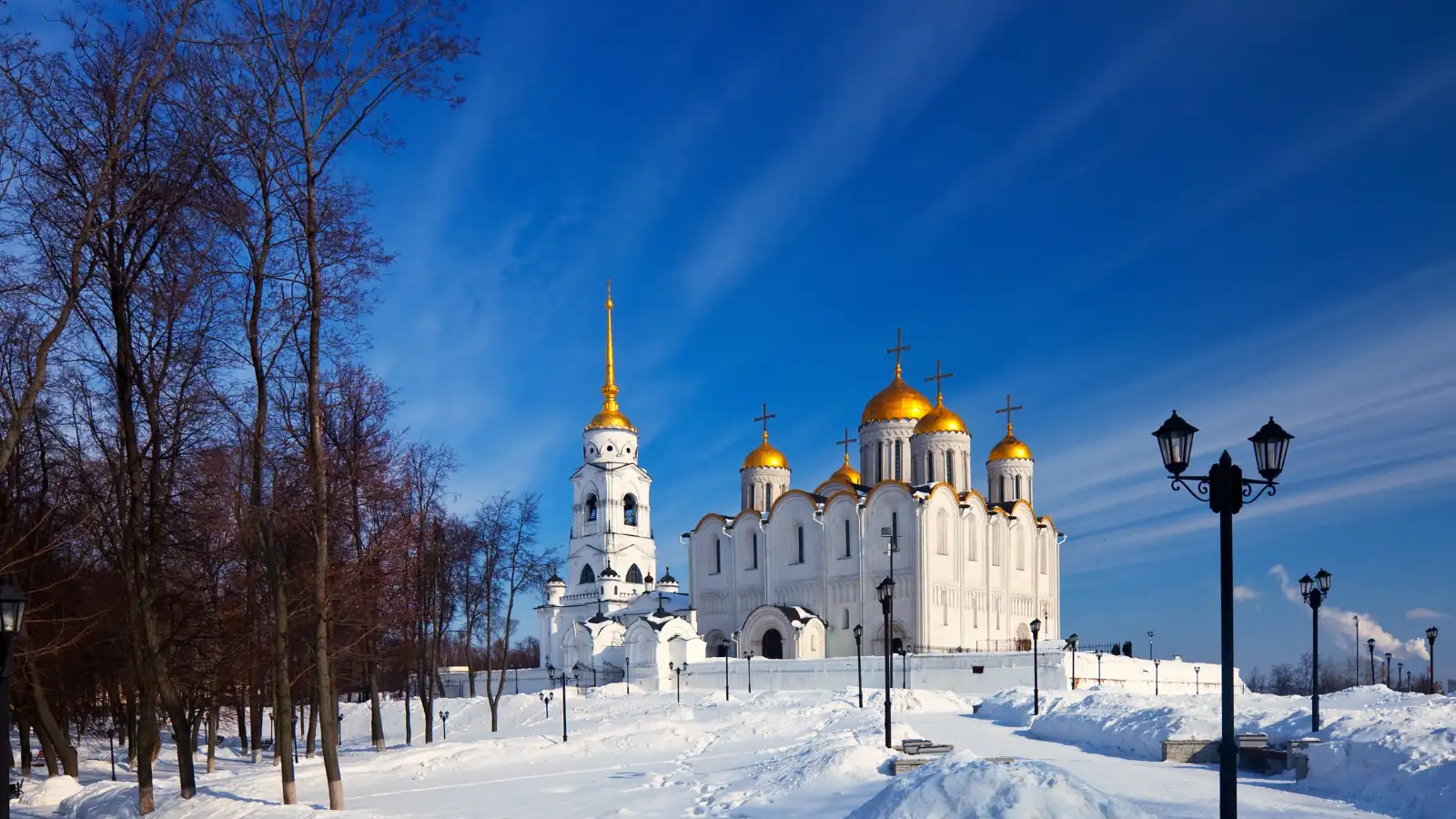
You may also like
- If someone lost interest after you liked them back, psychology says the reason may have more to do with them than you
- World's oldest scientifically dated banyan tree is in Bihar: How travellers can visit this remarkable 700-year-old living landmark
- DA: Good news for government employees; Dearness Allowance may increase by 3% starting July..
- Housing, marriage, education, and medical treatment—you can now easily withdraw PF money for these five purposes..
- It's not just about salary—these 9 conditions also make filing an ITR mandatory! Are you making a mistake?
Polar Giants and Continental Extremes
At the apex of global temperature rankings sit massive nations where cold is an institutional, landscape-defining force:- Russia (Average Temperature: -2.50°C): Holding the title as the world's largest country by landmass, a major portion of Russian territory sits within sub-polar zones. Across the immense expanses of Siberia , frozen permafrost, dense taiga forests, and prolonged periods of winter darkness dictate daily life. These brutal conditions pull the national average deep below zero, overshadowing the brief, mild summers seen in its western regions.
- Canada (Average Temperature: -2.14°C): Closely trailing Russia, Canada's northernmost reaches extend directly into the Arctic Circle. Lengthy, unforgiving winters arrive early in the autumn and routinely linger well into spring. While populated metropolitan hubs along its southern border enjoy seasonal warmth, the vast, permanently frozen northern territories keep the country's collective temperature average exceptionally low.
- Mongolia (Average Temperature: 2.36°C): Completely landlocked and characterized by expansive open grasslands and high plateaus, Mongolia lacks any nearby maritime influence to moderate its climate. This geographic positioning subjects the nation to extreme seasonal shifts, where freezing arctic winds move freely across the landscape, trapping the region in long, severe winters.
The Cooling Power of Elevation
In contrast to the flat arctic tundra, several nations rank among the coldest entirely due to their extreme vertical topography, proving that altitude can replicate polar conditions at lower latitudes:- Tajikistan (1.10°C) and Kyrgyzstan (1.54°C): In Central Asia, the climate story is written entirely by mountains. Elevated valleys and rugged, snow-covered mountain ranges dominate these landscapes. Even during peak summer, the sheer altitude limits warming, keeping the regional climate crisp and consistently cool throughout the year.
The Maritime Cushion
Interestingly, countries like Iceland (1.98°C) and Norway (3.00°C) showcase how the ocean alters freezing conditions. Despite their northern latitudes, surrounding maritime currents soften extreme continental freezes. While northern districts still face months of heavy snow and limited daylight, coastal winds prevent these Nordic nations from dropping into the brutal, deep-freeze categories seen in landlocked interiors, finding a stable equilibrium within the top seven.





Loving Newspoint? Download the app now
