
Preserving History: 7 Common Mistakes Travellers Make at Cultural and Religious Sites

Cultural tours to historical monuments, ancient shrines, and revered places of worship are among the most enriching experiences a traveler can have. Traversing the grand courtyards of European cathedrals, walking through the quiet stone halls of East Asian shrines, or exploring the sprawling carved temples of Asia provides a powerful connection to human history, architecture, and spiritual traditions. However, as international travel expands and popular landmarks experience unprecedented foot traffic, maintaining the sanctity and physical integrity of these spaces has become an increasingly urgent priority.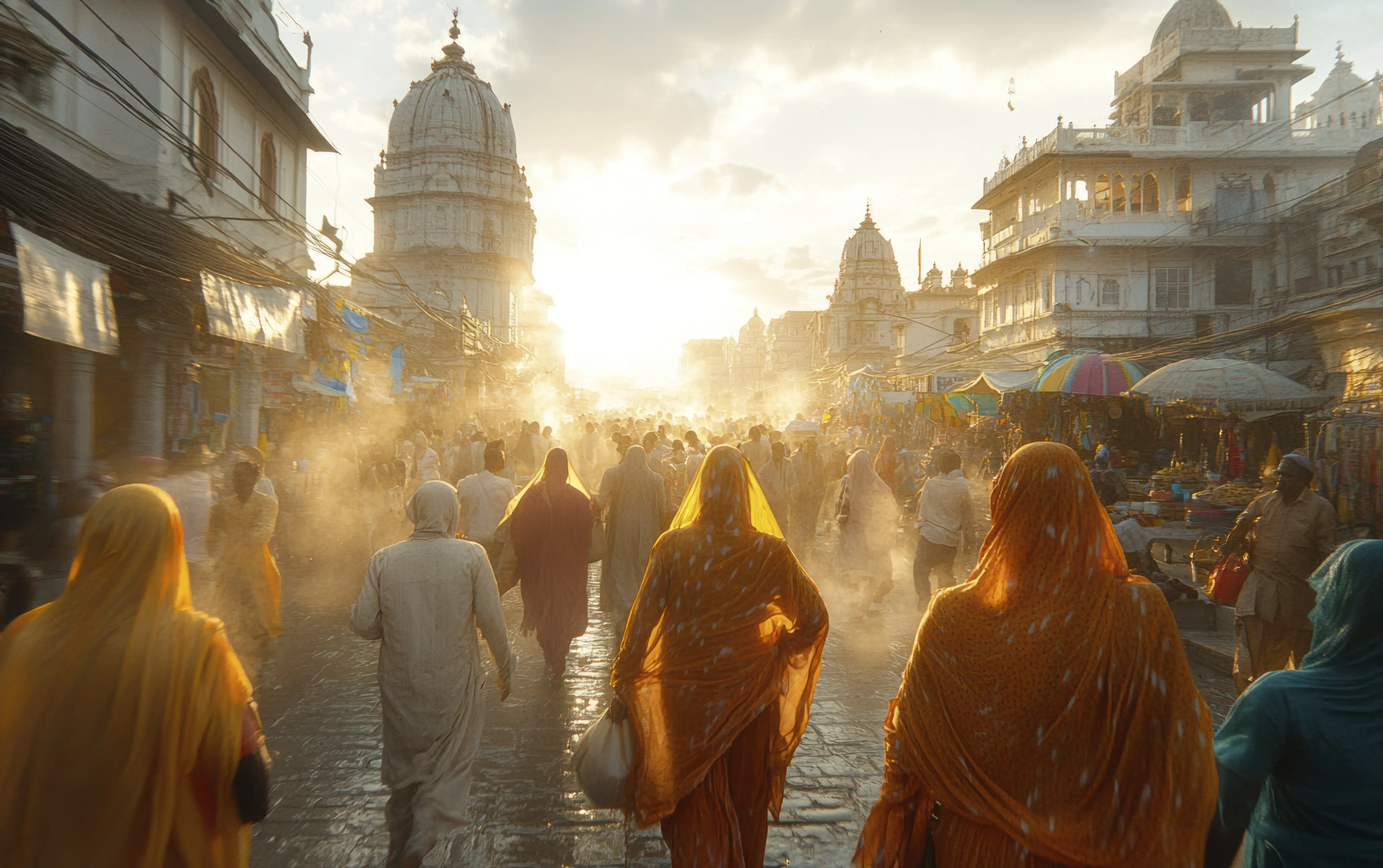
Furthermore, certain places of worship require specific head coverings, such as headscarves for women entering mosques and Orthodox shrines, or skullcaps (kippahs or rumals) for men visiting synagogues or Sikh gurdwaras. Conversely, in some traditions, wearing hats or headwear inside a main sanctum is viewed as a sign of disrespect. Carrying a versatile shawl, scarf, or light jacket in a daypack allows travelers to adapt quickly to strict dress requirements without compromising their comfort during long sightseeing tours.
Loud conversations, booming laughter, ringtones, and taking speakerphone or video calls severely disrupt the solemn atmosphere that local devotees depend on. Even when exploring unoccupied historical ruins, high noise levels disrupt the peaceful ambiance for fellow visitors trying to appreciate the environment. Keeping voices hushed, switching mobile devices to silent mode, and stepping outside the main sanctuary before initiating phone conversations demonstrate basic respect for the environment and the people utilizing it.
Many ancient structures were constructed using porous natural stones, delicate woodwork, intricate lime plaster, or hand-painted frescoes. A widespread habit among tourists is reaching out to touch detailed stone carvings, leaning against historic pillars, or tracing ancient inscriptions with their fingertips for a tactile connection.
While it may seem harmless for an individual to touch a stone surface, the cumulative impact of thousands of visitors doing the same over time causes catastrophic damage. Human skin naturally carries oils, sweat, moisture, and fine dirt particles. When deposited onto ancient surfaces, these substances react chemically with delicate pigments, corrode historic masonry, wear away microscopic carving details, and leave permanent dark stains. Preserving these priceless treasures for future generations requires adhering to a strict "look, but do not touch" policy across all heritage precincts.
Using flash photography inside historic buildings is particularly harmful; intense bursts of light degrade light-sensitive pigments found in ancient frescoes, oil paintings, and dyed textiles. Additionally, pointing cameras directly at individuals engaged in personal prayer, meditation, or private rituals without obtaining explicit consent invades their privacy and turns sacred moments into public spectacles. Travelers should carefully observe posted signage regarding camera usage, disable automatic flashes, and prioritize human respect over capturing a photo.
Walking on sacred carpets, marble floors, or pristine wooden mats with outdoor footwear introduces mud, grime, and street pollution into spaces maintained meticulously by local volunteers. In places where shoes are allowed, such as certain historical churches or castles, visitors may still be required to wear protective shoe covers to prevent scraping polished wooden floors or soft stone steps. Travelers should look for designated shoe racks, follow the lead of local worshippers, and wear easily removable footwear when touring regions with strict floor protocols.
Unfortunate incidents often occur when tourists step over velvet ropes, hop low stone walls, or sit on delicate balustrades simply to secure a clearer camera angle or record a short video. Disregarding safety and preservation barriers damages fragile archeological layers, destabilizes historic structural components, and sets a poor example for other visitors. Respecting boundaries ensures both personal safety and structural preservation.
When entering a site during an active ceremony, tourists should avoid walking through the main altar or central prayer area. Instead, take a seat quietly at the rear of the hall, stand discreetly along the perimeter walls, or wait outside until the service concludes before exploring the architectural features. Remembering that active temples and cathedrals serve their local communities first and tourists second fosters a culture of mutual respect and shared appreciation.
Visiting the world's great cultural and religious monuments is a privilege that comes with the quiet duty of stewardship. Avoiding these seven common mistakes requires no specialized training only situational awareness, patience, and a willingness to observe how locals navigate their own spaces. By slowing down, reading informational signs, dressing thoughtfully, and prioritizing preservation over personal convenience, travelers can enjoy profound, authentic experiences while ensuring these extraordinary places endure for centuries to come.
1. Wearing Inappropriate or Revealing Attire
One of the most widespread errors made by travelers involves entering religious complexes without adhering to local dress codes. Clothing standards vary significantly across different cultures, faiths, and geographical regions. In many traditional shrines, mosques, temples, and churches, exposed shoulders, bare knees, low-cut tops, or tight-fitting garments are considered deeply disrespectful.Furthermore, certain places of worship require specific head coverings, such as headscarves for women entering mosques and Orthodox shrines, or skullcaps (kippahs or rumals) for men visiting synagogues or Sikh gurdwaras. Conversely, in some traditions, wearing hats or headwear inside a main sanctum is viewed as a sign of disrespect. Carrying a versatile shawl, scarf, or light jacket in a daypack allows travelers to adapt quickly to strict dress requirements without compromising their comfort during long sightseeing tours.
2. Failing to Maintain Silence and Quiet Decorum
Religious and historical sites are primarily designed as spaces for quiet contemplation, prayer, reflection, and spiritual connection. A common oversight among tour groups and casual visitors is treating sacred interiors with the same noise level as an outdoor market or a busy public square.Loud conversations, booming laughter, ringtones, and taking speakerphone or video calls severely disrupt the solemn atmosphere that local devotees depend on. Even when exploring unoccupied historical ruins, high noise levels disrupt the peaceful ambiance for fellow visitors trying to appreciate the environment. Keeping voices hushed, switching mobile devices to silent mode, and stepping outside the main sanctuary before initiating phone conversations demonstrate basic respect for the environment and the people utilizing it.
3. Touching Delicate Ancient Walls, Carvings, and Artifacts
Many ancient structures were constructed using porous natural stones, delicate woodwork, intricate lime plaster, or hand-painted frescoes. A widespread habit among tourists is reaching out to touch detailed stone carvings, leaning against historic pillars, or tracing ancient inscriptions with their fingertips for a tactile connection.You may also like
- Train News: Several trains are affected from today until August 7; check which routes have changed and view the full list.
- Ex-Agniveer Reservation: 50% quota in new recruitments; know the eligibility, age limit, salary, and job opportunities.
- Boss Warning Signs: If your boss shows these signs, your job could be at risk. Here's what you should never say to your senior.
- What happens when you eat garlic and honey on an empty stomach? An Ayurvedic doctor explains the benefits..
- This Karnataka boy grew up in a village without the internet; today, his space-tech startup works with NASA: What Pixxel CEO Awais Ahmed's parents invested in
While it may seem harmless for an individual to touch a stone surface, the cumulative impact of thousands of visitors doing the same over time causes catastrophic damage. Human skin naturally carries oils, sweat, moisture, and fine dirt particles. When deposited onto ancient surfaces, these substances react chemically with delicate pigments, corrode historic masonry, wear away microscopic carving details, and leave permanent dark stains. Preserving these priceless treasures for future generations requires adhering to a strict "look, but do not touch" policy across all heritage precincts.
4. Taking Photographs Without Permission or Violating Camera Rules
In the era of smartphones and instant media sharing, photography has become second nature for tourists. However, unrestricted photography represents one of the primary sources of tension at cultural landmarks. Many religious institutions strictly prohibit taking pictures inside primary sanctums, near holy relics, or during active religious services.Using flash photography inside historic buildings is particularly harmful; intense bursts of light degrade light-sensitive pigments found in ancient frescoes, oil paintings, and dyed textiles. Additionally, pointing cameras directly at individuals engaged in personal prayer, meditation, or private rituals without obtaining explicit consent invades their privacy and turns sacred moments into public spectacles. Travelers should carefully observe posted signage regarding camera usage, disable automatic flashes, and prioritize human respect over capturing a photo.
5. Ignoring Footwear Customs and Sacred Flooring Protocols
Footwear policies at cultural and religious sites vary around the world, making it vital for travelers to pay close attention to local customs before crossing a doorway. Across Hindu, Buddhist, Jain, Sikh, and Islamic places of worship, removing shoes prior to entering the temple courtyard or prayer hall is an absolute requirement rooted in concepts of physical cleanliness and spiritual purity.Walking on sacred carpets, marble floors, or pristine wooden mats with outdoor footwear introduces mud, grime, and street pollution into spaces maintained meticulously by local volunteers. In places where shoes are allowed, such as certain historical churches or castles, visitors may still be required to wear protective shoe covers to prevent scraping polished wooden floors or soft stone steps. Travelers should look for designated shoe racks, follow the lead of local worshippers, and wear easily removable footwear when touring regions with strict floor protocols.
6. Bypassing Ropes, Barriers, and Restricted Zones
Historical monuments and active places of worship frequently feature roped-off sections, raised platforms, low fences, or designated path markers. These physical boundaries are placed intentionally to protect structurally vulnerable areas, keep visitors safe from steep drops or unstable stonework, and preserve private areas reserved strictly for clergy or officiating priests.Unfortunate incidents often occur when tourists step over velvet ropes, hop low stone walls, or sit on delicate balustrades simply to secure a clearer camera angle or record a short video. Disregarding safety and preservation barriers damages fragile archeological layers, destabilizes historic structural components, and sets a poor example for other visitors. Respecting boundaries ensures both personal safety and structural preservation.
7. Disrupting Ongoing Prayers, Ceremonies, and Rituals
Visiting a historic place of worship while an active religious service is underway requires elevated sensitivity and tact. A frequent mistake made by sightseers is wandering aimlessly down central aisles, stepping between officiating clergy and congregation members, or blocking walkways while a sermon, mass, or prayer call is actively taking place.When entering a site during an active ceremony, tourists should avoid walking through the main altar or central prayer area. Instead, take a seat quietly at the rear of the hall, stand discreetly along the perimeter walls, or wait outside until the service concludes before exploring the architectural features. Remembering that active temples and cathedrals serve their local communities first and tourists second fosters a culture of mutual respect and shared appreciation.
A Mindful Approach to Cultural Exploration
Visiting the world's great cultural and religious monuments is a privilege that comes with the quiet duty of stewardship. Avoiding these seven common mistakes requires no specialized training only situational awareness, patience, and a willingness to observe how locals navigate their own spaces. By slowing down, reading informational signs, dressing thoughtfully, and prioritizing preservation over personal convenience, travelers can enjoy profound, authentic experiences while ensuring these extraordinary places endure for centuries to come. 





Loving Newspoint? Download the app now
