
Masters of Survival: 7 Extraordinary Animals Thriving in Earth’s Extreme Environments

Earth’s extreme landscapes from high-altitude mountain chains with thin atmosphere to bone-dry deserts and sunless polar ice sheets present severe physical challenges for living organisms. Yet, far from being barren, these inhospitable regions shelter some of the world's most fascinating species.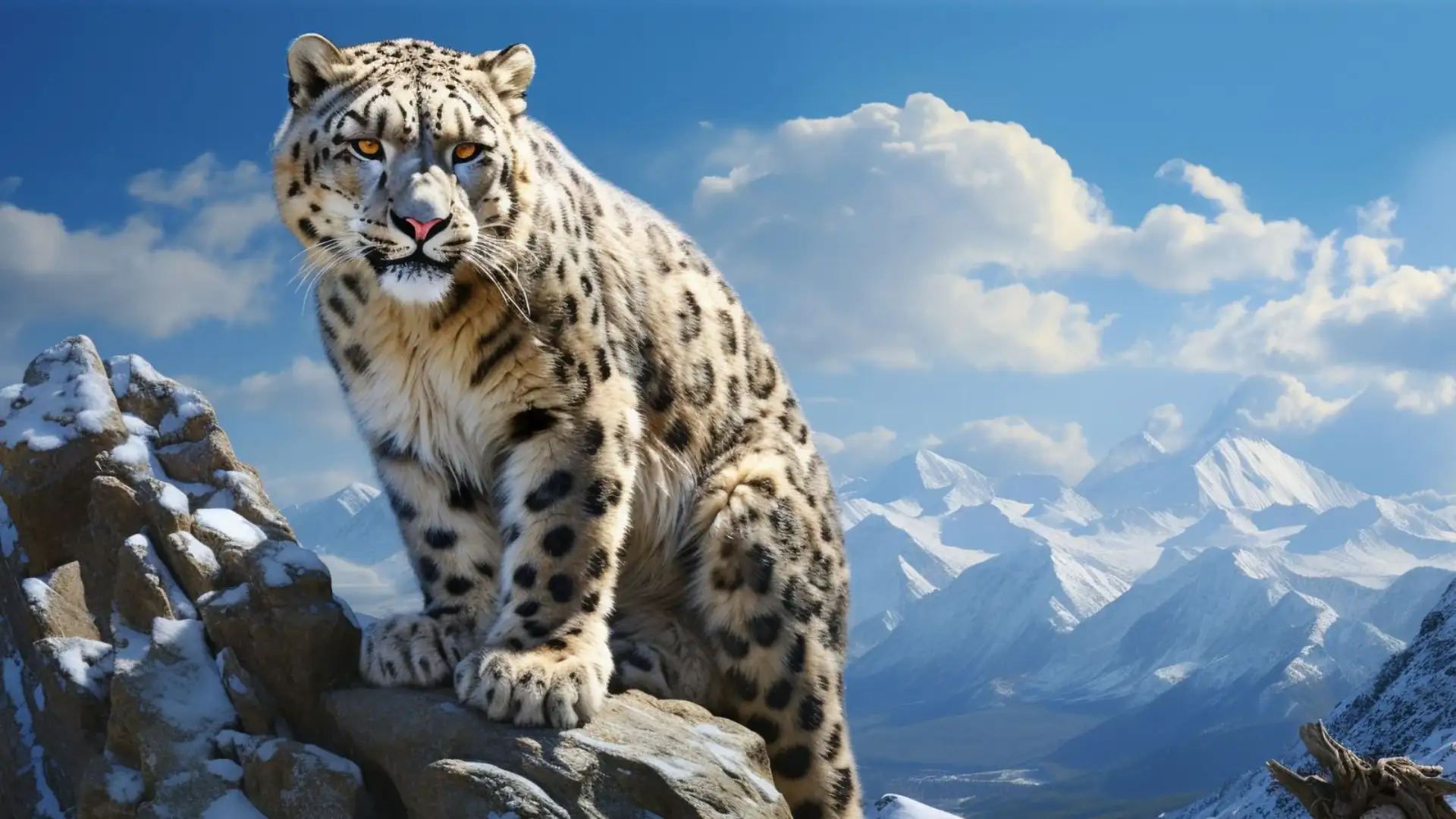
For wildlife photographers and adventure travel enthusiasts, venturing into these remote biomes offers a rare opportunity to observe nature's extraordinary resilience firsthand.
3. Wild Bactrian Camel (Gobi Desert, Mongolia)
4. Fennec Fox (Sahara Desert, North Africa)
5. Weddell Seal (Antarctica)
6. Bar-Headed Goose (Himalayas & Tibetan Plateau)
7. Tibetan Sand Fox (Tibetan Plateau & High Himalayas)
For wildlife photographers and adventure travel enthusiasts, venturing into these remote biomes offers a rare opportunity to observe nature's extraordinary resilience firsthand.
7 Extraordinary Animals and Where to Spot Them
- 1. Snow Leopard (Ladakh, India)
- Environment: High-altitude mountain terrain (3,000–5,400 meters above sea level) with freezing winter temperatures and low oxygen.
- Adaptation: Thick fur, wide paws acting as natural snowshoes, and long, heavy tails used for balance and warmth.
- Travel Insight: India is home to an estimated 718 snow leopards, with 477 located in Ladakh. Guided winter expeditions into Hemis National Park offer adventurous travellers the best chance of spotting these elusive "ghosts of the mountains".
- 2. Emperor Penguin (Antarctica)
- Environment: Sub-zero polar sea ice subjected to blizzard-force winds and temperatures dropping below $-40^\circ\text{C}$.
- Adaptation: High-density feathered insulation, thermal fat layers, and social huddling behavior to conserve collective body heat.
- Travel Insight: As the largest penguin species and the only one that breeds during the Antarctic winter, observing them requires specialized expedition cruise ships navigating deep polar pack ice.
- Environment: Extreme temperature swings ranging from $-30^\circ\text{C}$ in winter to over $40^\circ\text{C}$ in summer, combined with severe water scarcity.
- Adaptation: Two fat-filled humps providing sustained energy and hydration, coupled with the ability to ingest salty, brackish water.
- Travel Insight: Distinct from domestic Bactrian camels, the wild Bactrian camel is critically endangered and survives across remote reserves in the Gobi Desert.
- Environment: Hyper-arid sandy dunes with intense daytime heat and cold desert nights.
- Adaptation: Oversized, heat-radiating ears, fur-covered footpads to traverse hot sand, and a nocturnal lifestyle to avoid midday sun exposure.
- Travel Insight: Spotting these small, shy night-foragers requires nocturnal guided desert safaris in regions across Morocco, Tunisia, or Egypt.
- Environment: Frozen Antarctic sea ice and sub-zero ocean waters.
- Adaptation: Exceptional diving capability down to depths of several hundred meters, using specialized teeth to maintain open breathing holes in ice sheets throughout the winter.
- Travel Insight: Travellers on Antarctic polar cruises often observe Weddell seals resting on ice floes or swimming alongside research and expedition vessels.
- Environment: Extreme high-altitude air masses above $7,000\text{ meters}$ during seasonal migrations across the Himalayas.
- Adaptation: Specialized hemoglobin that efficiently binds oxygen in thin air and dense muscle capillaries that support sustained high-altitude flapping flight.
- Travel Insight: These birds can be spotted during spring and autumn around high-altitude wetlands and lakes across Ladakh, Himachal Pradesh, and the Tibetan Plateau.
- Environment: High-elevation steppe and alpine meadows with intense solar radiation and bitter winds.
- Adaptation: Square-shaped head with dense, thick fur that insulates against wind chill while hunting small prey like plateau pikas.
- Travel Insight: Eco-tourists exploring high-altitude reserves in Tibet or northern Ladakh can spot these distinctively shaped foxes hunting across open grasslands.
Next Story