
7 Fascinating Animals Found Only in Indonesia

Indonesia, the world’s largest archipelago with over 17,000 islands, is home to some of the most unique wildlife on the planet. From rare mammals to powerful reptiles, the country boasts an incredible biodiversity that attracts nature lovers from around the globe. Here’s a look at seven extraordinary animals that can only be found in Indonesia .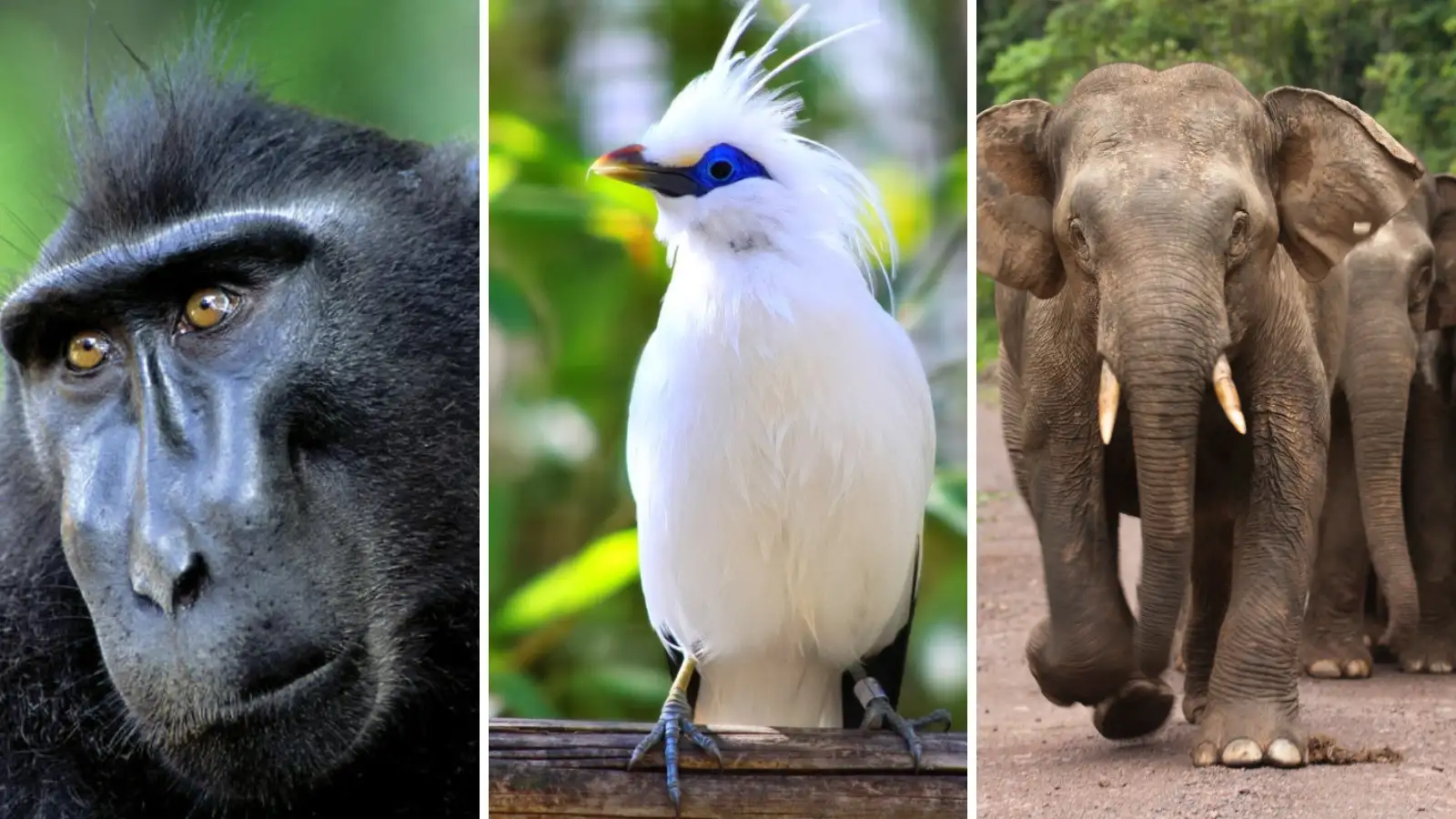
Before embarking on any wildlife adventure, it’s crucial to choose ethical tourism experiences. Many sanctuaries and tours claim to be conservation-friendly but may not genuinely prioritize animal welfare. Always research thoroughly to ensure your visit supports responsible and sustainable wildlife conservation.
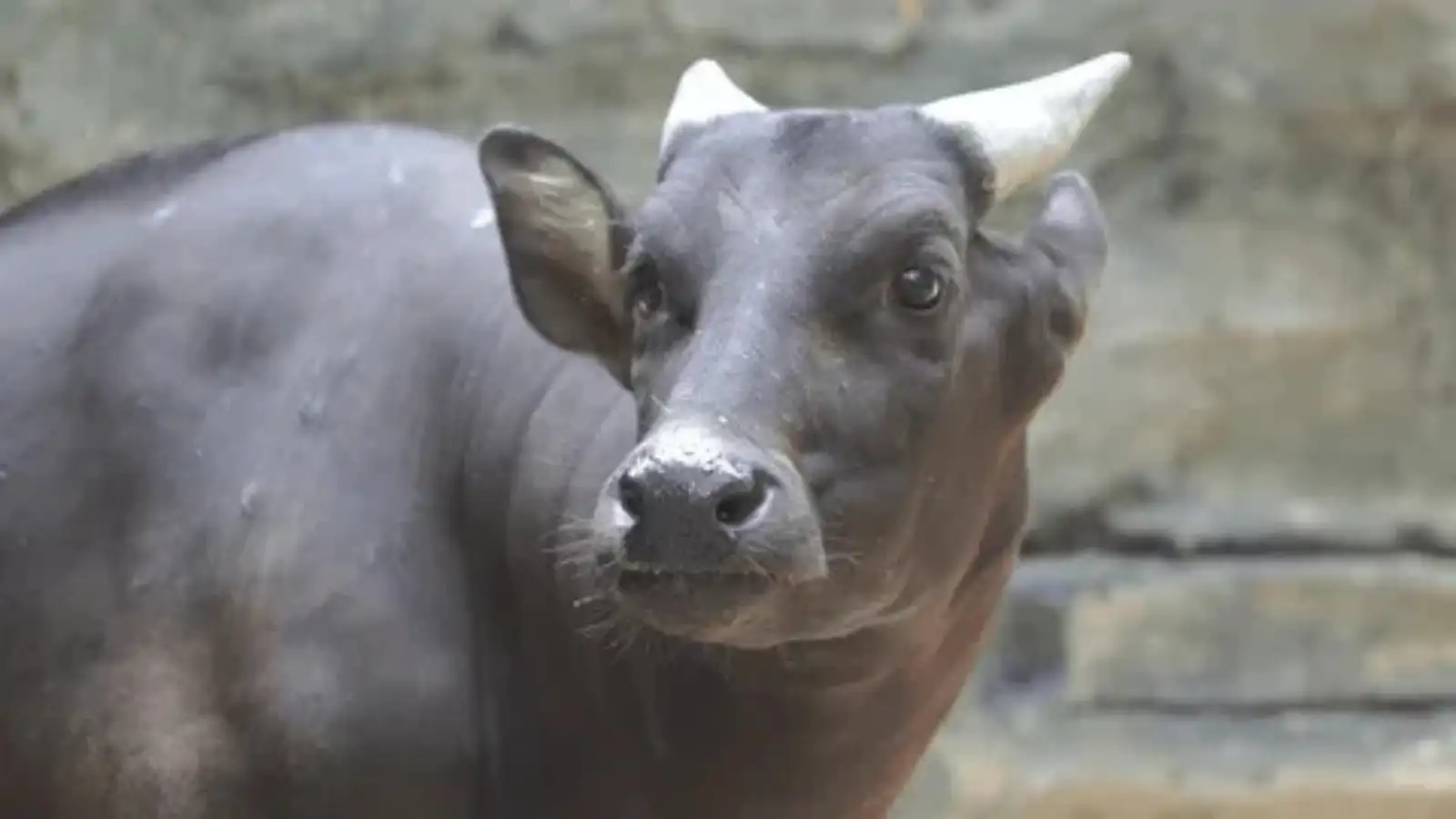
Resembling a miniature water buffalo, the anoa is a rare sight in Indonesia’s dense rainforests. Two subspecies exist: the lowland anoa and the mountain anoa, both of which are struggling to survive due to deforestation and hunting. With fewer than 5,000 left in the wild, conservation efforts are critical to their survival.
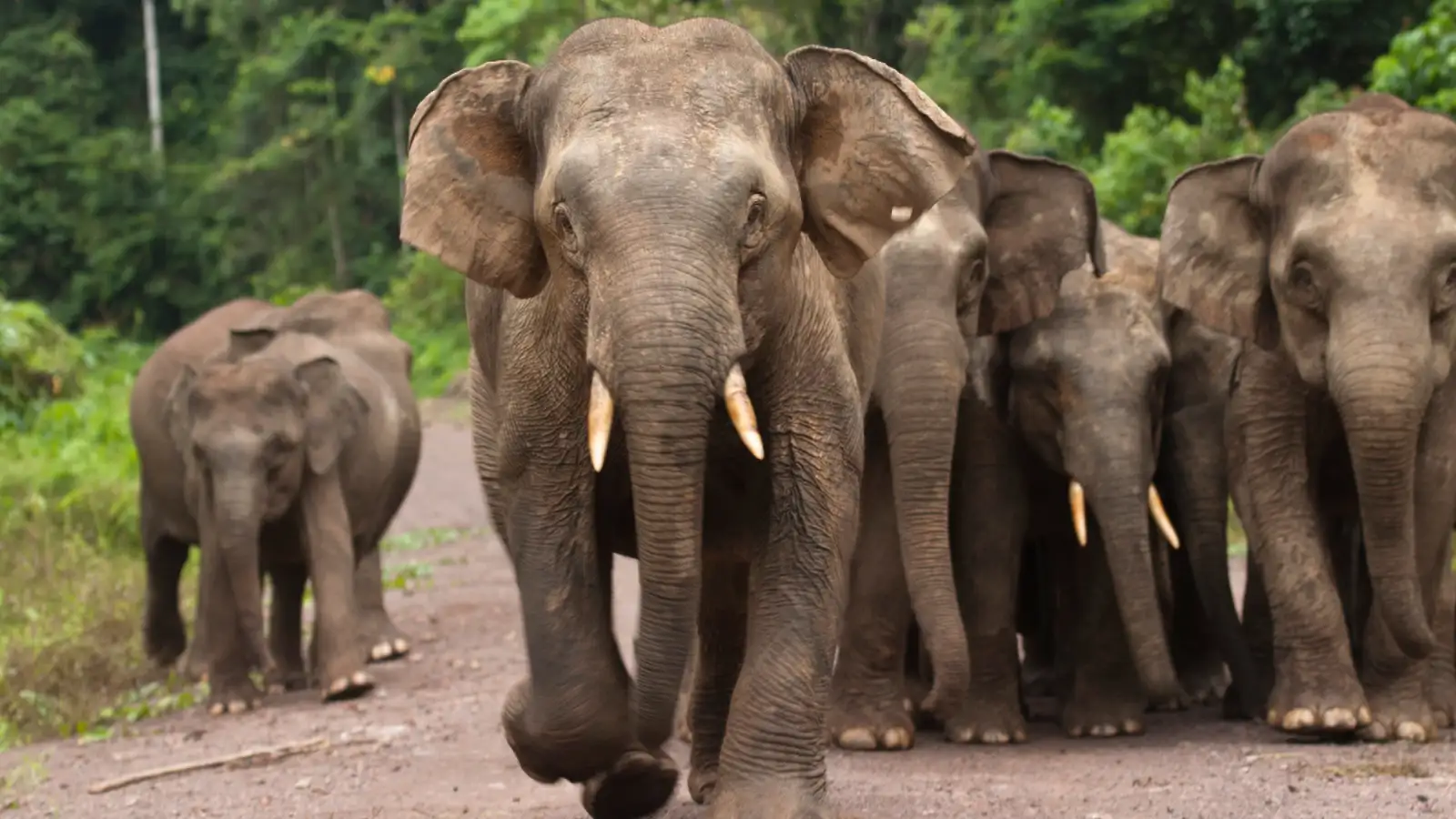
Smaller and more docile than their mainland relatives, Borneo elephants are sometimes referred to as "pygmy elephants." Their population has significantly declined due to habitat destruction, particularly from palm oil plantations. With only 1,000-1,600 left in the wild, these gentle giants are in urgent need of protection.
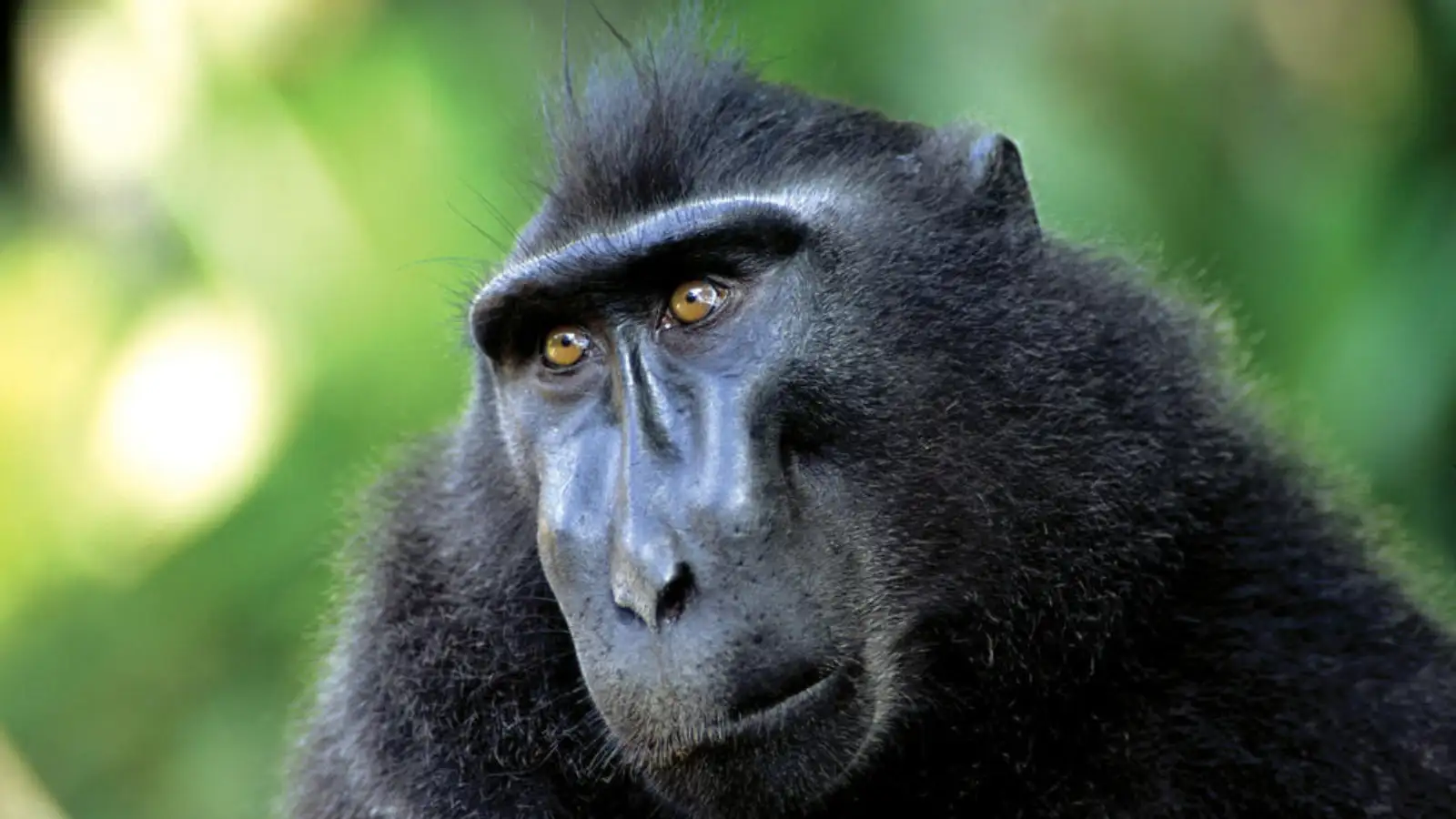
Recognized for their jet-black fur and striking amber eyes, these highly social primates are known for their playful nature. Unfortunately, they are classified as pests and are often hunted for bushmeat. Despite conservation efforts, they remain critically endangered outside of protected areas like the Tangkoko Nature Reserve.
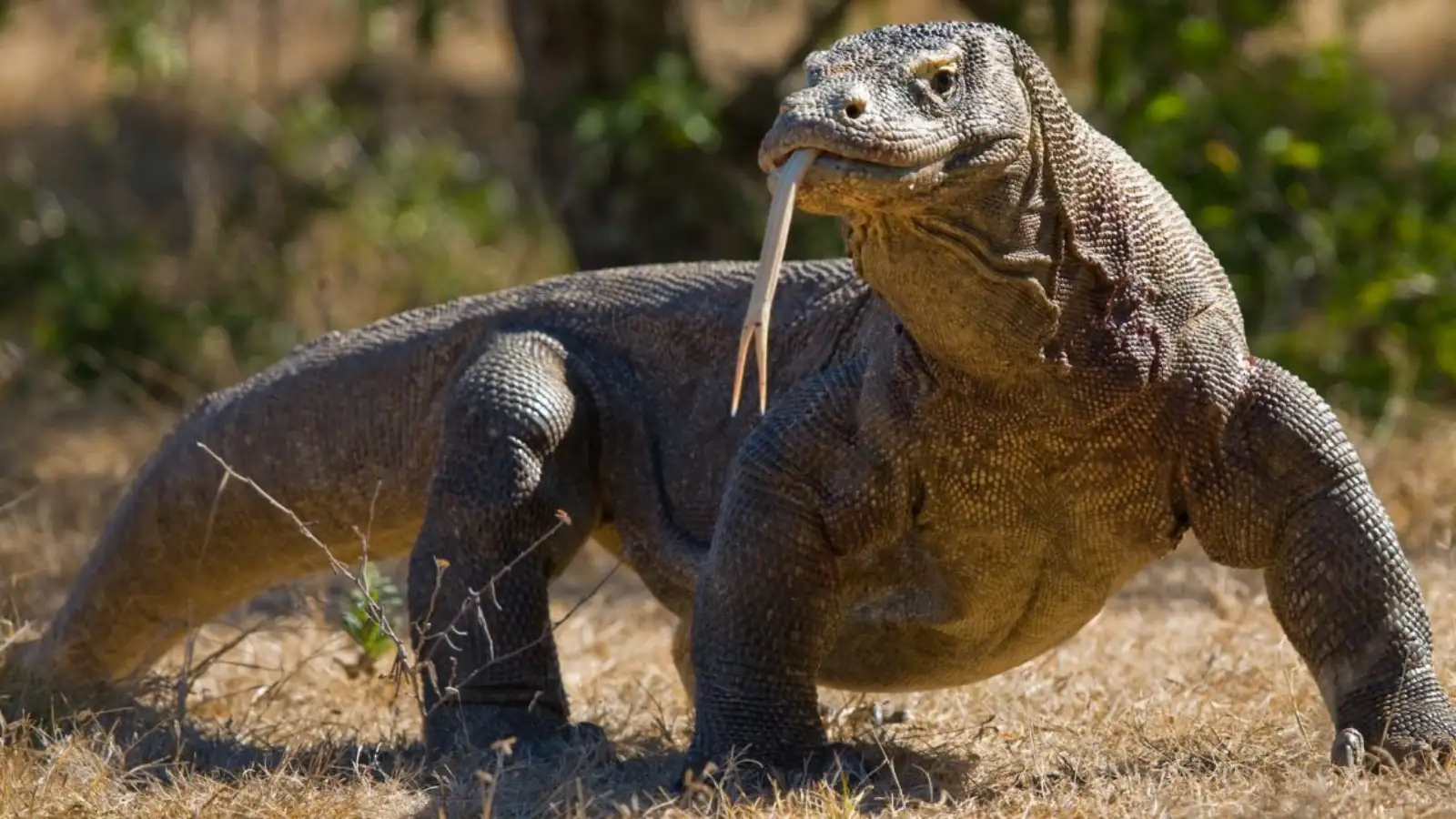
As Indonesia’s national animal, the Komodo dragon is a true apex predator. These giant lizards, growing up to three meters long, are venomous and can take down prey much larger than themselves. Despite their fearsome reputation, attacks on humans are rare. Conservation efforts are in place to protect them, including strict tourism regulations within Komodo National Park.
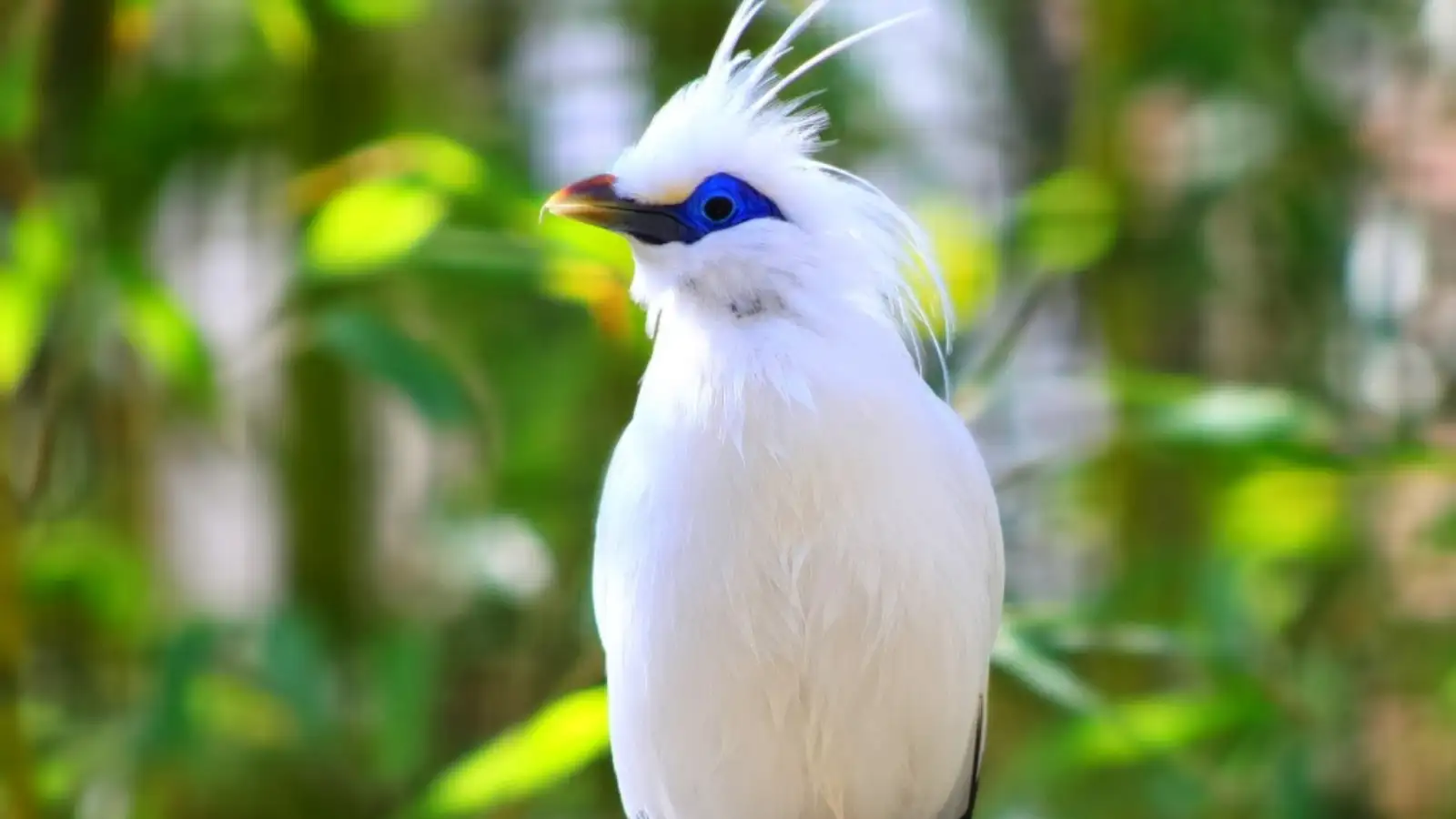
The Bali starling is a stunning white bird with black-tipped wings and a vibrant blue patch around its eyes. Despite being the island’s official bird and featured on Indonesian currency, their numbers have dwindled due to illegal wildlife trade. Conservation programs are actively working to reintroduce them into the wild.
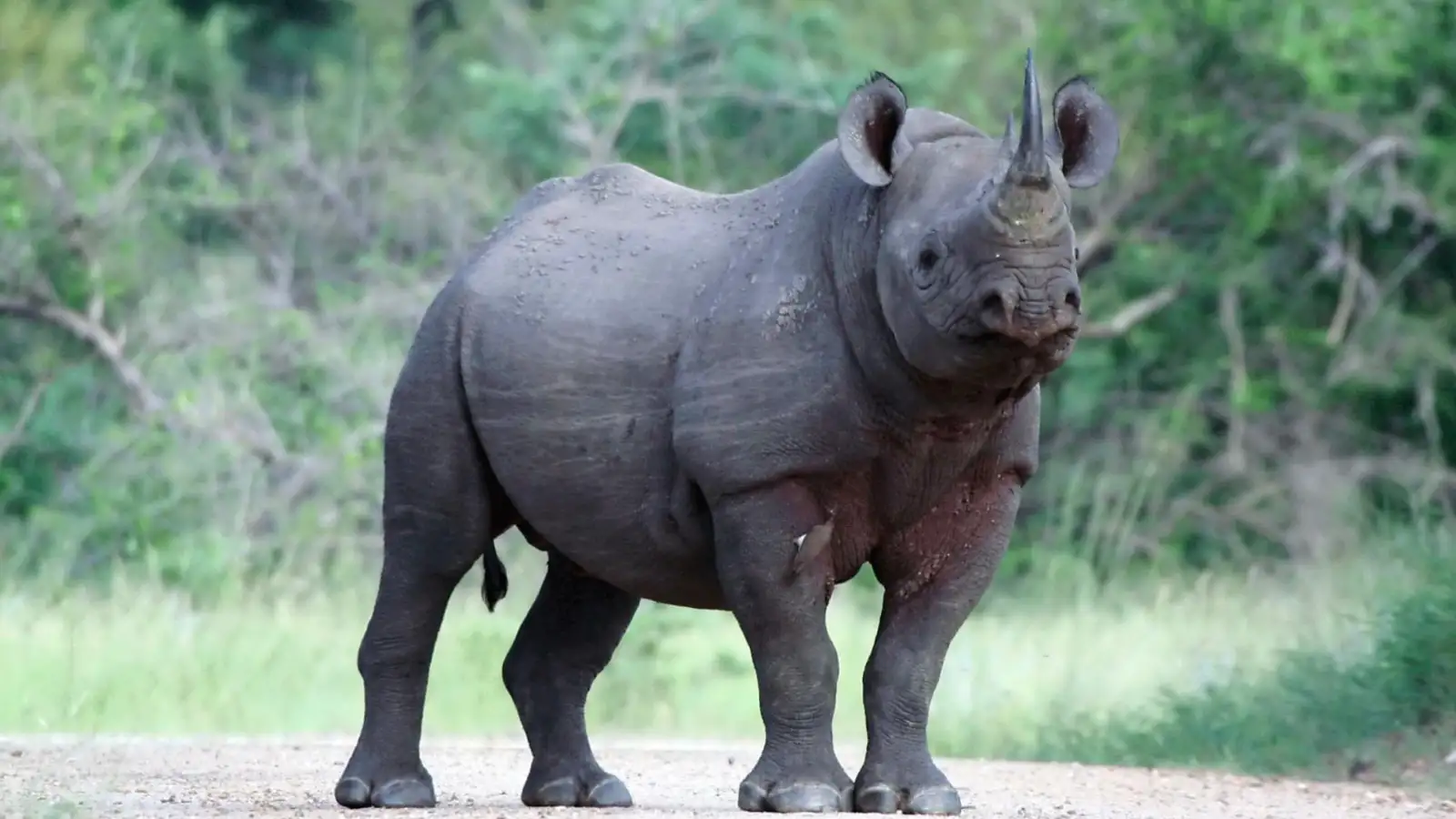
Once widespread across Southeast Asia, the Javan rhinoceros is now confined to a single national park in Java. Poaching for their horns and habitat destruction have pushed them to the brink of extinction. Conservationists are working tirelessly to protect this species, but with such low numbers, their future remains uncertain.
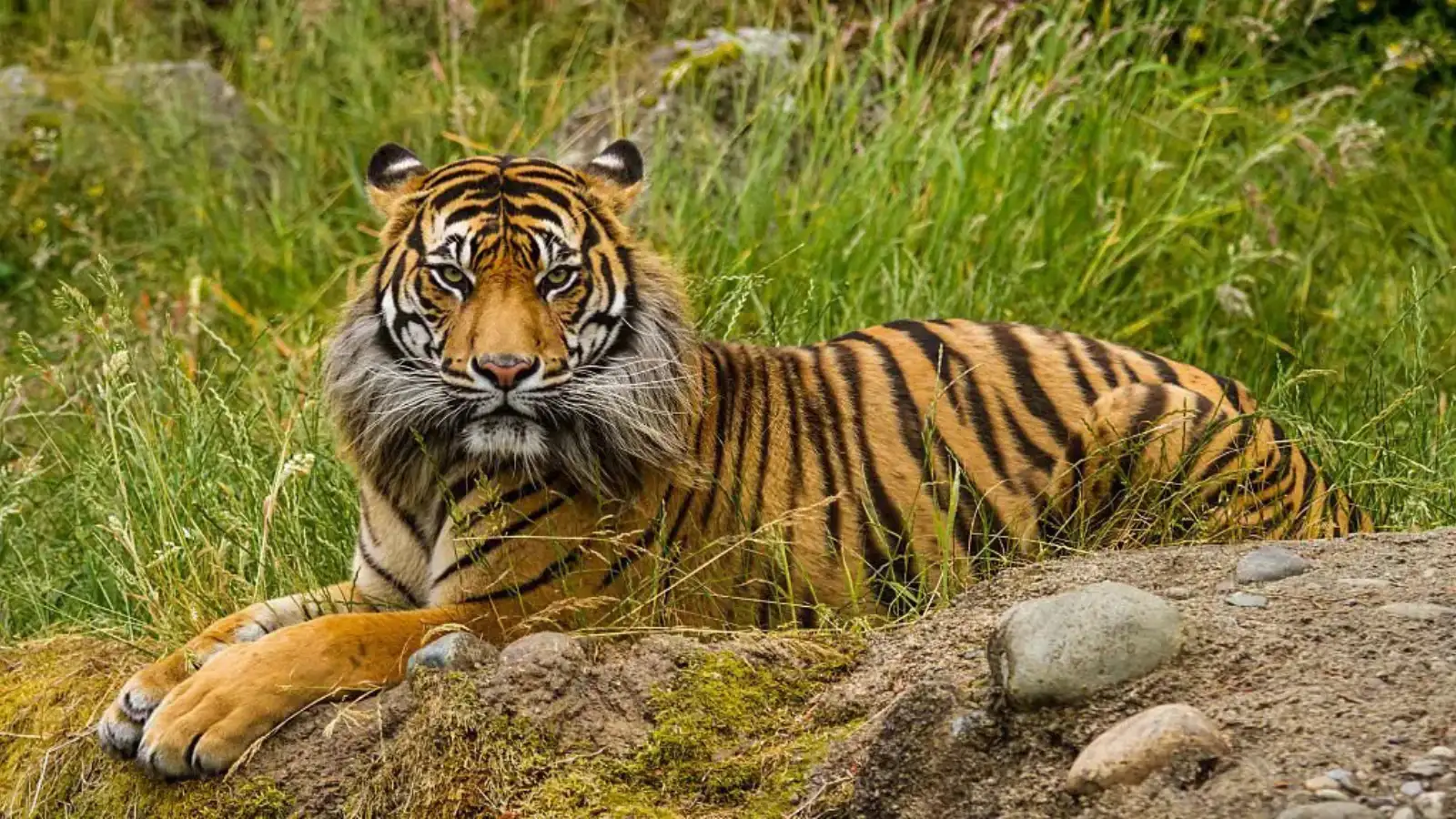
The smallest of all tiger subspecies, the Sumatran tiger is facing rapid population decline due to illegal poaching and deforestation driven by palm oil production. Conservation organizations are investing millions to protect these majestic creatures, but the battle is far from over.
Many of Indonesia’s most unique animals are on the brink of extinction due to human activities. While conservation programs and protected areas are making a difference, responsible tourism and global awareness are essential in ensuring these incredible creatures continue to thrive in the wild.
Would you like to witness these rare animals firsthand? Choose ethical wildlife tours and support conservation efforts to help protect Indonesia’s irreplaceable biodiversity.
Ethical Wildlife Tourism
Before embarking on any wildlife adventure, it’s crucial to choose ethical tourism experiences. Many sanctuaries and tours claim to be conservation-friendly but may not genuinely prioritize animal welfare. Always research thoroughly to ensure your visit supports responsible and sustainable wildlife conservation.
1. Anoa – The Dwarf Buffalo of Sulawesi
- Where to Find: Sulawesi Island
- Conservation Status: Endangered
- Interesting Fact: The anoa is the world’s smallest buffalo species.
Resembling a miniature water buffalo, the anoa is a rare sight in Indonesia’s dense rainforests. Two subspecies exist: the lowland anoa and the mountain anoa, both of which are struggling to survive due to deforestation and hunting. With fewer than 5,000 left in the wild, conservation efforts are critical to their survival.
2. Borneo Elephant – The Pygmy Giants
- Where to Find: Northeastern Borneo (Indonesia and Malaysia)
- Conservation Status: Endangered
- Interesting Fact: The Borneo elephant is the smallest subspecies of Asian elephant.
Smaller and more docile than their mainland relatives, Borneo elephants are sometimes referred to as "pygmy elephants." Their population has significantly declined due to habitat destruction, particularly from palm oil plantations. With only 1,000-1,600 left in the wild, these gentle giants are in urgent need of protection.
3. Crested Black Macaque – The Famous Selfie Monkey
- Where to Find: Tangkoko Nature Reserve, Sulawesi
- Conservation Status: Critically Endangered
- Interesting Fact: A selfie taken by a crested black macaque in 2011 sparked a global copyright debate.
Recognized for their jet-black fur and striking amber eyes, these highly social primates are known for their playful nature. Unfortunately, they are classified as pests and are often hunted for bushmeat. Despite conservation efforts, they remain critically endangered outside of protected areas like the Tangkoko Nature Reserve.
You may also like
- Mature women rave about £15 foundation that's 'light' but gives 'flawless' skin
- M&S shoppers hail £30 'beautiful' trousers as 'so comfortable and easy to wear'
- Airline pilots don't eat the same meal and never at the same time, the reason behind this is more unsettling than you think
- PROTESTS, PAPER LEAKS, AND PRESSURE: WHAT EVERY INDIAN PARENT AND STUDENT NEEDS TO HEAR NOW
- Do pulses and rice get infested with weevils and insects during the rainy season? Follow these simple tips to keep them safe for months
4. Komodo Dragon – The World’s Largest Lizard
- Where to Find: Komodo, Flores, Rinca, and Padar Islands
- Conservation Status: Vulnerable
- Interesting Fact: Komodo dragons can consume up to 80% of their body weight in one meal.
As Indonesia’s national animal, the Komodo dragon is a true apex predator. These giant lizards, growing up to three meters long, are venomous and can take down prey much larger than themselves. Despite their fearsome reputation, attacks on humans are rare. Conservation efforts are in place to protect them, including strict tourism regulations within Komodo National Park.
5. Bali Starling – The Jewel of Bali’s Skies
- Where to Find: West Bali National Park and Nusa Penida
- Conservation Status: Critically Endangered
- Interesting Fact: These birds mate for life and perform elaborate courtship displays.
The Bali starling is a stunning white bird with black-tipped wings and a vibrant blue patch around its eyes. Despite being the island’s official bird and featured on Indonesian currency, their numbers have dwindled due to illegal wildlife trade. Conservation programs are actively working to reintroduce them into the wild.
6. Javan Rhinoceros – One of the Rarest Mammals on Earth
- Where to Find: Ujung Kulon National Park, Java
- Conservation Status: Critically Endangered
- Interesting Fact: Only 74 Javan rhinos remain in the wild.
Once widespread across Southeast Asia, the Javan rhinoceros is now confined to a single national park in Java. Poaching for their horns and habitat destruction have pushed them to the brink of extinction. Conservationists are working tirelessly to protect this species, but with such low numbers, their future remains uncertain.
7. Sumatran Tiger – The Last of Its Kind
- Where to Find: Sumatra (Bukit Barisan Selatan and Gunung Leuser National Parks)
- Conservation Status: Critically Endangered
- Interesting Fact: Sumatran tigers have the narrowest stripes of any tiger species, helping them blend into dense forests.
The smallest of all tiger subspecies, the Sumatran tiger is facing rapid population decline due to illegal poaching and deforestation driven by palm oil production. Conservation organizations are investing millions to protect these majestic creatures, but the battle is far from over.
Preserving Indonesia’s Wildlife
Many of Indonesia’s most unique animals are on the brink of extinction due to human activities. While conservation programs and protected areas are making a difference, responsible tourism and global awareness are essential in ensuring these incredible creatures continue to thrive in the wild.
Would you like to witness these rare animals firsthand? Choose ethical wildlife tours and support conservation efforts to help protect Indonesia’s irreplaceable biodiversity.






Loving Newspoint? Download the app now
