
7 Indoor Plants That May Help Keep Cockroaches Away From Your Home

Cockroaches can quickly turn a clean home into an uncomfortable space. From hidden corners behind appliances to damp areas under sinks, these pests often find the perfect conditions to survive. While sprays, traps and professional treatments are commonly used for keeping cockroaches away from your home, some indoor plants may also help make your living spaces less attractive to them. Certain plants release strong natural fragrances and oils that cockroaches tend to avoid, making them a useful addition to a wider pest-control routine.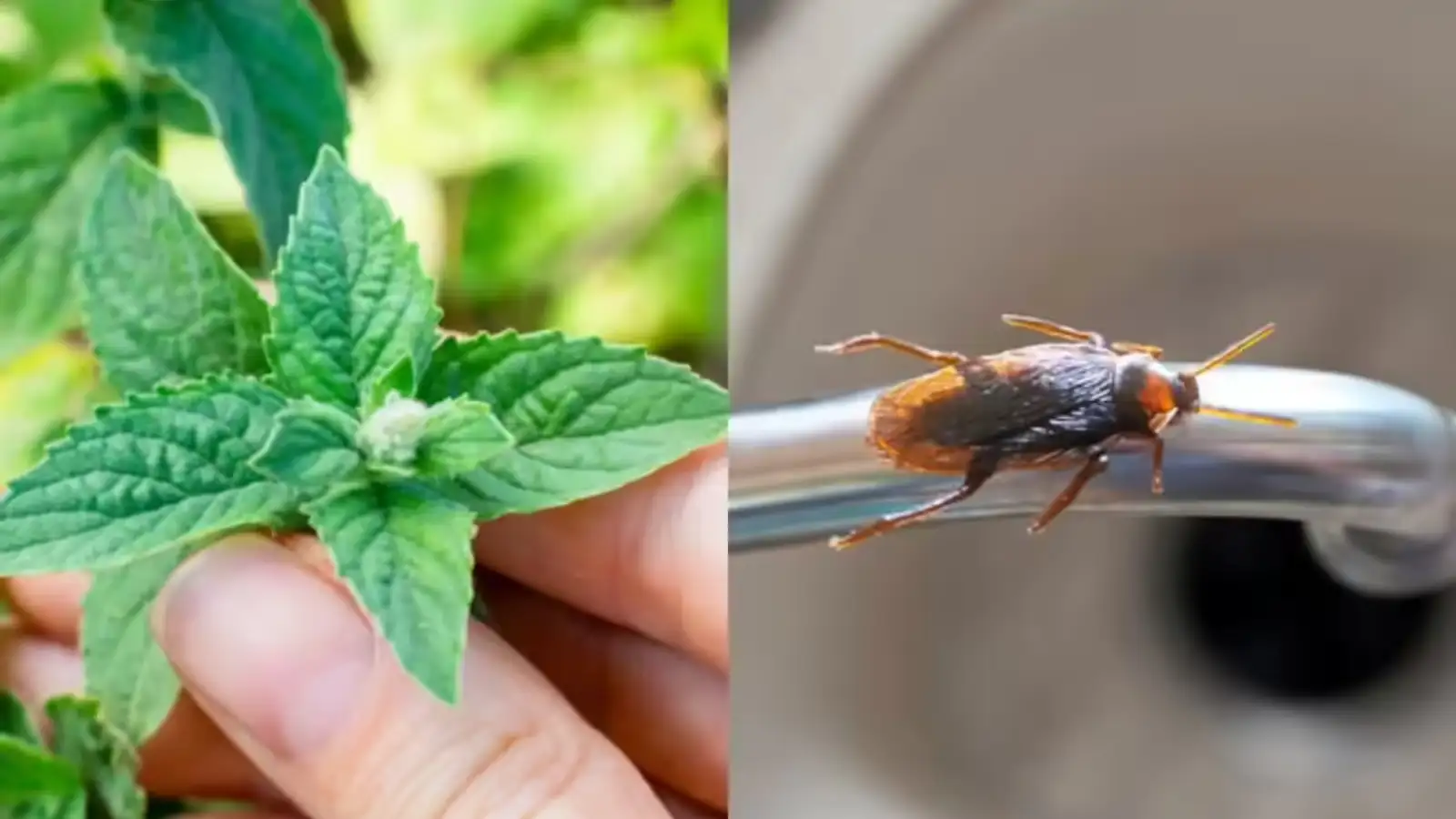
However, it is important to remember that indoor plants that keep cockroaches away are not a guaranteed solution for an existing infestation. They may help discourage roaches from settling in specific areas, but maintaining cleanliness, reducing moisture and sealing entry points remain essential steps for effective pest control.
Best Indoor Plants That May Keep Cockroaches Away
1. Bay Leaf Plant
Bay leaves are widely known as a kitchen spice, but their strong aroma also makes them popular among people looking for natural ways to deter pests. The plant contains aromatic compounds that create a fragrance that humans often enjoy, while cockroaches may find it unpleasant.
A bay leaf plant can be grown indoors in a bright, sunny spot. Dried bay leaves are also commonly placed in kitchen cabinets, drawers and pantry shelves where cockroaches are more likely to appear. Keeping this plant near food storage areas may help make these spaces less inviting for pests.
2. Mint Plant
Mint is one of the easiest herbs to grow indoors and is known for its refreshing, strong scent. The powerful fragrance of mint, especially peppermint varieties, comes from its natural oils, which are often associated with insect-repelling properties.
A small mint plant can easily fit on a windowsill or kitchen counter with adequate sunlight. Apart from adding freshness to your home, it can also be used in cooking and beverages, making it a practical choice for households looking for a multipurpose indoor plant.
3. Rosemary Plant
Rosemary is another aromatic herb that may help discourage cockroaches from staying around. Its woody fragrance comes from natural oils present in its leaves, which are believed to be unpleasant for several insects.
This compact plant grows well indoors when placed near a bright window. Its low-maintenance nature makes it suitable for apartments and smaller homes. Along with its possible pest-deterring benefits, rosemary can also be used as a flavouring herb in everyday cooking.
4. Lavender Plant
Lavender is loved for its calming fragrance and beautiful purple flowers, but its scent may not be as appealing to household pests. The strong aroma of lavender is one reason it is often used in wardrobes, linen storage areas and home fragrances.
Growing lavender indoors requires plenty of sunlight and good airflow. Placing it near windows, balconies or entry points may help create a pleasant-smelling environment while potentially discouraging unwanted insects.
5. Catnip Plant
Catnip is usually associated with cats, but this member of the mint family has also gained attention for its possible insect-repelling qualities. It contains a natural compound called nepetalactone, which has been studied for its effect on certain pests.
The plant grows quickly and can thrive indoors with sufficient sunlight. For homes without cats that may disturb the plant, catnip can be an interesting addition to an indoor herb collection while potentially helping keep cockroaches away.
6. Lemongrass Plant
Lemongrass is known for its fresh citrus-like fragrance and is commonly linked with natural insect-repelling solutions. The plant contains citronella-related oils, which are frequently used in products designed to keep insects away.
Although lemongrass prefers warm conditions and plenty of sunlight, it can be grown indoors in a large container. Its tall green leaves also add a decorative touch to living spaces while releasing a strong aroma that may help discourage pests.
7. Chrysanthemum Plant
Chrysanthemums are popular indoor flowering plants that add colour and brightness to homes. Beyond their decorative appeal, some varieties contain natural compounds called pyrethrins, which have been used in insect-control products for many years.
Keeping a chrysanthemum plant indoors is not the same as using a commercial insecticide, but its naturally occurring compounds have made it a popular choice among people exploring plant-based pest control methods. A flowering chrysanthemum can enhance your home décor while potentially helping reduce insect activity.
Can Indoor Plants Completely Remove Cockroaches?
While these plants may help make your home less attractive to cockroaches, they should not be considered a replacement for proper pest management. A serious cockroach problem usually requires additional measures such as:
Adding plants like bay leaf, mint, rosemary, lavender, catnip, lemongrass and chrysanthemums can be a natural way to make your home environment less welcoming for cockroaches. Their strong scents and natural compounds may help discourage pests, while also improving the look and freshness of your indoor spaces. For the best results, combine these plants with regular cleaning and preventive pest-control practices.
However, it is important to remember that indoor plants that keep cockroaches away are not a guaranteed solution for an existing infestation. They may help discourage roaches from settling in specific areas, but maintaining cleanliness, reducing moisture and sealing entry points remain essential steps for effective pest control.
Best Indoor Plants That May Keep Cockroaches Away
1. Bay Leaf Plant
Bay leaves are widely known as a kitchen spice, but their strong aroma also makes them popular among people looking for natural ways to deter pests. The plant contains aromatic compounds that create a fragrance that humans often enjoy, while cockroaches may find it unpleasant.
A bay leaf plant can be grown indoors in a bright, sunny spot. Dried bay leaves are also commonly placed in kitchen cabinets, drawers and pantry shelves where cockroaches are more likely to appear. Keeping this plant near food storage areas may help make these spaces less inviting for pests.
2. Mint Plant
Mint is one of the easiest herbs to grow indoors and is known for its refreshing, strong scent. The powerful fragrance of mint, especially peppermint varieties, comes from its natural oils, which are often associated with insect-repelling properties.
A small mint plant can easily fit on a windowsill or kitchen counter with adequate sunlight. Apart from adding freshness to your home, it can also be used in cooking and beverages, making it a practical choice for households looking for a multipurpose indoor plant.
3. Rosemary Plant
Rosemary is another aromatic herb that may help discourage cockroaches from staying around. Its woody fragrance comes from natural oils present in its leaves, which are believed to be unpleasant for several insects.
This compact plant grows well indoors when placed near a bright window. Its low-maintenance nature makes it suitable for apartments and smaller homes. Along with its possible pest-deterring benefits, rosemary can also be used as a flavouring herb in everyday cooking.
4. Lavender Plant
Lavender is loved for its calming fragrance and beautiful purple flowers, but its scent may not be as appealing to household pests. The strong aroma of lavender is one reason it is often used in wardrobes, linen storage areas and home fragrances.
You may also like
- What 'chemical-free' really means in hair colour
- Boil lemon peels with bay leaves at home: What it's for and its benefits
- Parents tie young son to door frame to 'Make Him Taller'; Viral video sparks outrage and debate over harmful parenting myths
- Harnessing Natural Ingredients for Radiant Skin
- DU Admission 2026: DU launches admissions for one-year PG programs for the first time; register by July 11..
Growing lavender indoors requires plenty of sunlight and good airflow. Placing it near windows, balconies or entry points may help create a pleasant-smelling environment while potentially discouraging unwanted insects.
5. Catnip Plant
Catnip is usually associated with cats, but this member of the mint family has also gained attention for its possible insect-repelling qualities. It contains a natural compound called nepetalactone, which has been studied for its effect on certain pests.
The plant grows quickly and can thrive indoors with sufficient sunlight. For homes without cats that may disturb the plant, catnip can be an interesting addition to an indoor herb collection while potentially helping keep cockroaches away.
6. Lemongrass Plant
Lemongrass is known for its fresh citrus-like fragrance and is commonly linked with natural insect-repelling solutions. The plant contains citronella-related oils, which are frequently used in products designed to keep insects away.
Although lemongrass prefers warm conditions and plenty of sunlight, it can be grown indoors in a large container. Its tall green leaves also add a decorative touch to living spaces while releasing a strong aroma that may help discourage pests.
7. Chrysanthemum Plant
Chrysanthemums are popular indoor flowering plants that add colour and brightness to homes. Beyond their decorative appeal, some varieties contain natural compounds called pyrethrins, which have been used in insect-control products for many years.
Keeping a chrysanthemum plant indoors is not the same as using a commercial insecticide, but its naturally occurring compounds have made it a popular choice among people exploring plant-based pest control methods. A flowering chrysanthemum can enhance your home décor while potentially helping reduce insect activity.
Can Indoor Plants Completely Remove Cockroaches?
While these plants may help make your home less attractive to cockroaches, they should not be considered a replacement for proper pest management. A serious cockroach problem usually requires additional measures such as:
- Keeping kitchens and dining areas free from food crumbs
- Fixing leaks and reducing moisture
- Cleaning dark corners regularly
- Sealing cracks and possible entry points
- Using traps or professional pest control when needed
Adding plants like bay leaf, mint, rosemary, lavender, catnip, lemongrass and chrysanthemums can be a natural way to make your home environment less welcoming for cockroaches. Their strong scents and natural compounds may help discourage pests, while also improving the look and freshness of your indoor spaces. For the best results, combine these plants with regular cleaning and preventive pest-control practices.






Loving Newspoint? Download the app now
