
China's Endemic Wonders: 7 Rare Animals Found Only in China and Where to Spot Them

China's vast geographic diversity supports remarkable ecosystems filled with species adapted to extreme climates and unique landscapes. Because many of these animals face habitat pressures, intensive conservation programs and dedicated national nature reserves serve as their final strongholds. Here are 7 of the rarest endemic animals in China and the best places to see them in the wild or in specialized sanctuaries.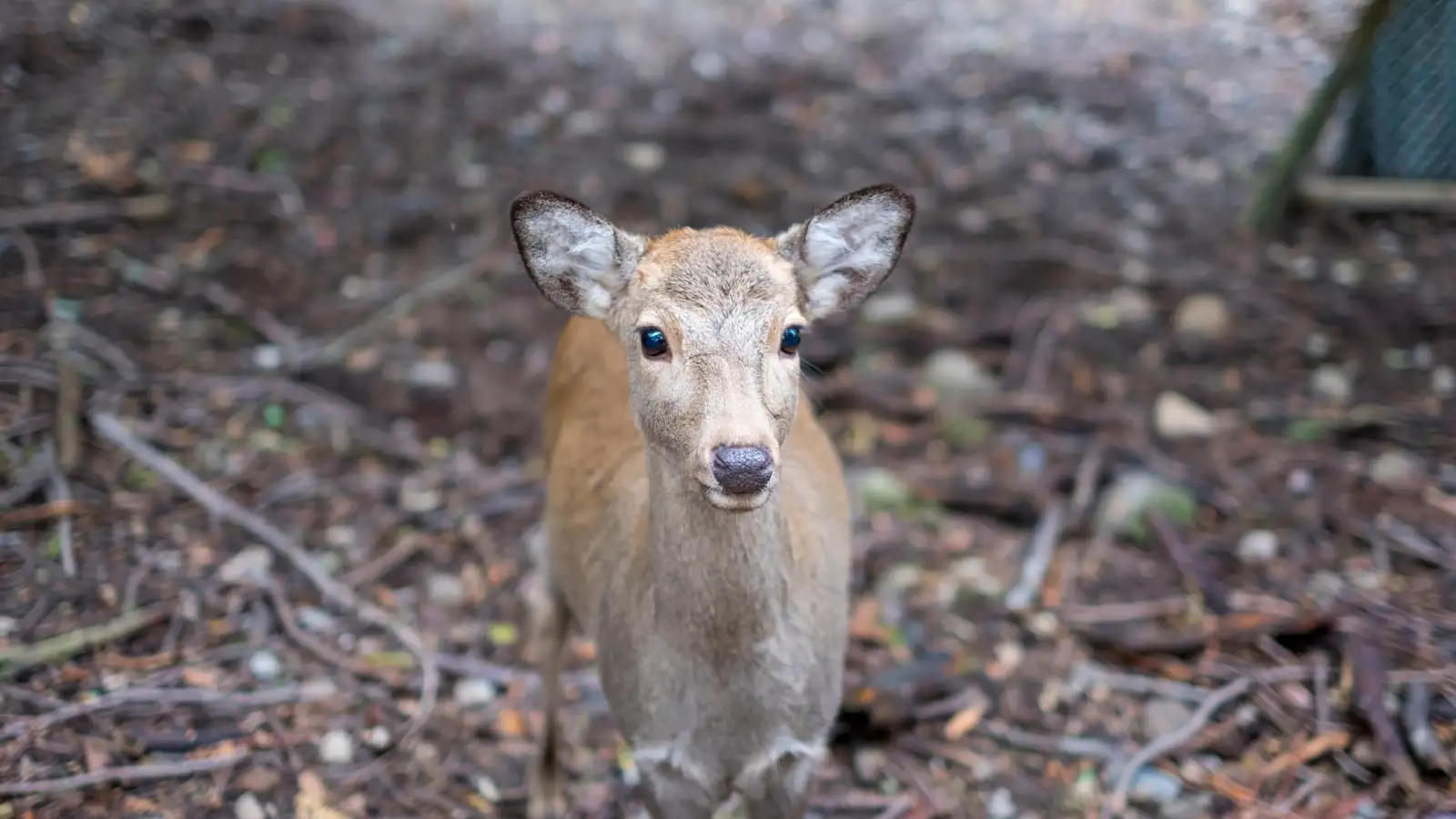
Where to Spot Them: Wolong National Nature Reserve, Chengdu Research Base of Giant Panda Breeding, and Giant Panda National Park.
Where to Spot Them: Shennongjia National Park (Hubei), Qinling Mountains (Shaanxi), and Foping National Nature Reserve.
Where to Spot Them: Specialized aquatic breeding facilities and protected river basins across Zhangjiajie and Guizhou.
Where to Spot Them: Anhui Chinese Alligator National Nature Reserve.
Where to Spot Them: Dafeng Milu National Nature Reserve and Beijing Milu Park.
Where to Spot Them: Qinghai Province and the eastern Tibetan Plateau.
Where to Spot Them: Baimaxueshan National Nature Reserve in Yunnan Province.
1. Giant Panda
The global symbol of wildlife conservation, the giant panda was once widely distributed across southern China. Today, it survives in the bamboo-rich forests of Sichuan, Shaanxi, and Gansu provinces. Thanks to extensive habitat protection and breeding initiatives, pandas were successfully downlisted from "Endangered" to "Vulnerable".Where to Spot Them: Wolong National Nature Reserve, Chengdu Research Base of Giant Panda Breeding, and Giant Panda National Park.
2. Golden Snub-Nosed Monkey
Recognizable by its vibrant golden-orange fur and striking blue face, the golden snub-nosed monkey is among Asia’s most unique primates. Inhabiting high-altitude temperate forests in central China, these playful primates are a dream sighting for wildlife photographers.Where to Spot Them: Shennongjia National Park (Hubei), Qinling Mountains (Shaanxi), and Foping National Nature Reserve.
3. Chinese Giant Salamander
Growing up to two meters in length, the Chinese giant salamander holds the title of the world's largest amphibian. While wild populations have faced severe declines due to habitat loss, pollution, and over-harvesting, sanctuary habitats and breeding programs work to safeguard this ancient species.Where to Spot Them: Specialized aquatic breeding facilities and protected river basins across Zhangjiajie and Guizhou.
4. Chinese Alligator
Significantly smaller than its American counterpart, the Chinese alligator rarely exceeds two meters in length. It survives naturally only in eastern China's Anhui Province, where dedicated wetland conservation programs have successfully prevented its extinction.Where to Spot Them: Anhui Chinese Alligator National Nature Reserve.
You may also like
- Sawan 2026 Fashion Trends: Try These Stylish Bindi Designs With Sarees This Sawan
- Inter-Caste Marriage Scheme: Get up to ₹5 lakh from the government for such a marriage; here's how to apply..
- His son was kidnapped at age 2; this father travelled 500,000 km over 24 years to find him: The emotional story of Guo Gangtang
- Atrial Fibrillation: Millions of Indians are unaware of this heart disease
- Dog Cancer Detection: A new method of cancer detection, dogs identify it by smelling.
5. Père David's Deer (Milu)
Historically described as having the "hooves of a cow, neck of a camel, tail of a donkey, and antlers of a deer," this unique species went extinct in the wild in China over a century ago. It was saved through European captive breeding before being successfully reintroduced into Chinese reserves.Where to Spot Them: Dafeng Milu National Nature Reserve and Beijing Milu Park.
6. Chinese Mountain Cat
As one of Asia's least-known wild felids, the Chinese mountain cat is an elusive predator endemic to the high-altitude grasslands and alpine meadows of the Tibetan Plateau. Spotting one in the wild requires patience, expertise, and high-altitude exploration.Where to Spot Them: Qinghai Province and the eastern Tibetan Plateau.
7. Yunnan Snub-Nosed Monkey
Also known as the black-and-white snub-nosed monkey, this endangered primate is one of the highest-living non-human primates on Earth, dwelling in the high-elevation coniferous forests of southwestern China.Where to Spot Them: Baimaxueshan National Nature Reserve in Yunnan Province.






Loving Newspoint? Download the app now
