
Guardians of the Ecosystem: A Traveller’s Guide to India’s 9 Vulture Species

Vultures are among the most ecologically significant avian species on the Indian subcontinent. Operating as nature's most efficient scavengers, these high-altitude raptors possess exceptionally strong digestive acids capable of safely neutralizing lethal bacteria and viruses including anthrax, cholera, and rabies that would otherwise contaminate water sources and spread through wildlife and domestic livestock populations. For centuries, millions of vultures soared across Indian skies, maintaining environmental sanitation across forests, agricultural fields, and rural villages.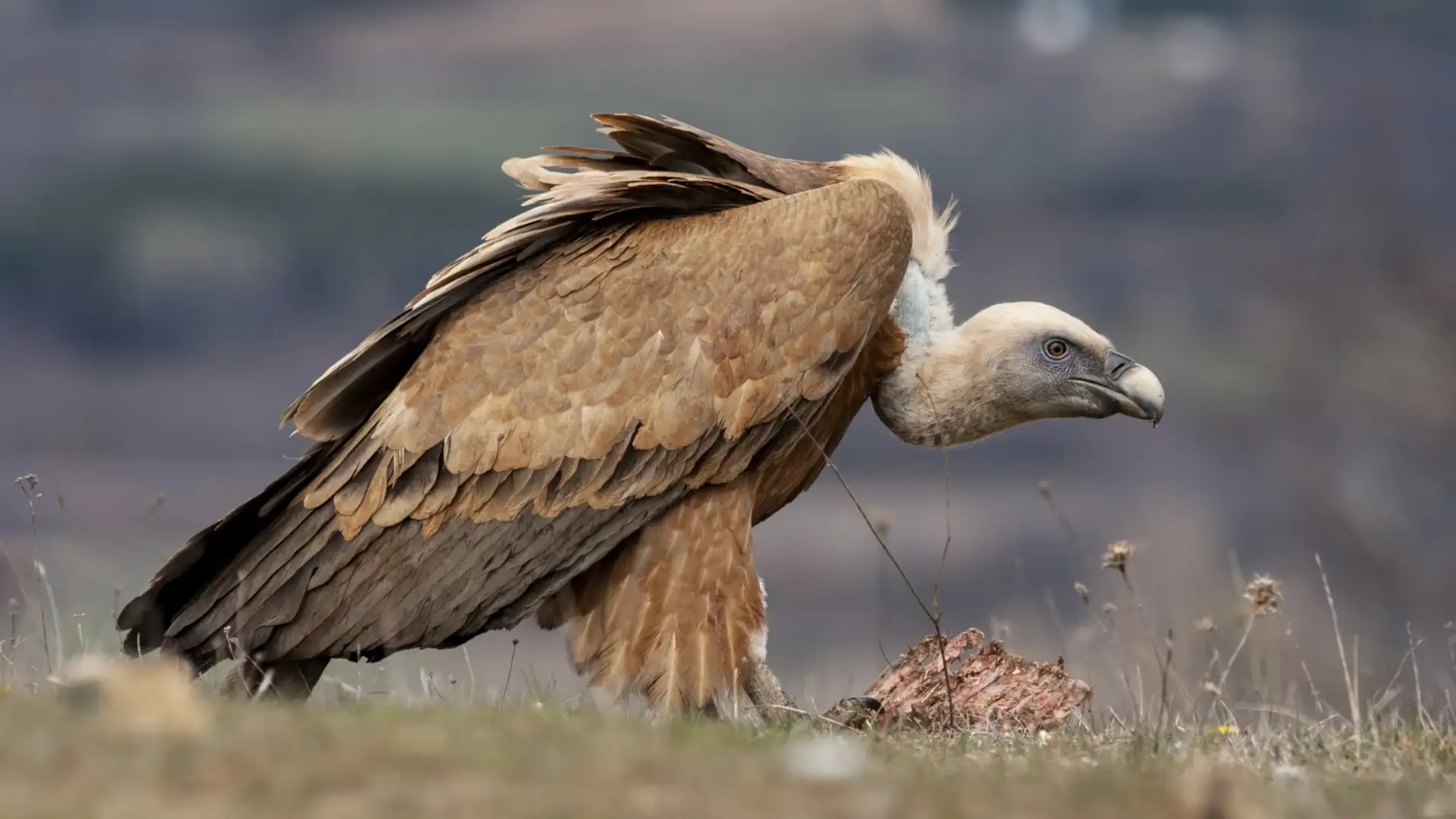
However, during the late 1990s and early 2000s, India experienced an unprecedented ecological crisis when native vulture populations plummeted by over 99 percent. The catastrophic decline was primarily driven by the veterinary use of diclofenac, a non-steroidal anti-inflammatory drug administered to cattle that proved lethal to vultures feeding on livestock carcasses. Recognizing the impending loss of these essential birds, the Indian government banned veterinary diclofenac, established specialized vulture conservation breeding centers, and created protected "Vulture Safe Zones." Today, thanks to rigorous protection efforts and habitat preservation, several vulture species are making a gradual recovery, allowing eco-tourists and birding enthusiasts to witness these magnificent raptors soaring above India's river valleys, rocky cliffs, and dense forests.
You may also like
- Basque waist is fashion next favourite. What is it?
- How much will you earn on an FD of ₹20,000 to ₹1 lakh? Understand the full breakdown.
- Does the first husband still have to pay alimony if the wife remarries? Here is what the law says.
- When 'I'm fine' means anything but fine
- Puffy Eyes in the Morning? These Simple Changes May Help
However, during the late 1990s and early 2000s, India experienced an unprecedented ecological crisis when native vulture populations plummeted by over 99 percent. The catastrophic decline was primarily driven by the veterinary use of diclofenac, a non-steroidal anti-inflammatory drug administered to cattle that proved lethal to vultures feeding on livestock carcasses. Recognizing the impending loss of these essential birds, the Indian government banned veterinary diclofenac, established specialized vulture conservation breeding centers, and created protected "Vulture Safe Zones." Today, thanks to rigorous protection efforts and habitat preservation, several vulture species are making a gradual recovery, allowing eco-tourists and birding enthusiasts to witness these magnificent raptors soaring above India's river valleys, rocky cliffs, and dense forests.
Recognizing India's 9 Vulture Species and Their Ideal Habitats
India hosts nine species of vultures, divided between resident breeding populations and migratory winter visitors. Knowing where to spot them requires understanding their preferred nesting terrain and geographical distribution:- White-Rumped Vulture (
): Once the most common vulture species in the world, this medium-sized resident raptor is distinguished by its dark plumage contrasting with a striking white patch on its lower back. They build stick nests high in large deciduous trees near riverbanks and forested plains. - Indian Vulture or Long-Billed Vulture (
): Famous for nesting in colonies along steep cliff faces, rocky gorges, and ancient stone monuments, the Long-Billed Vulture features pale brown body feathers and a mostly bald, dark head. - Slender-Billed Vulture (
): Historically grouped with the Indian Vulture, this critically endangered species features a noticeably thinner bill and darker neck. It inhabits the sub-Himalayan regions, wetlands, and open grasslands of Northern and Northeastern India. - Red-Headed Vulture (
): Commonly referred to as the King Vulture or Asian King Vulture due to its prominent role at feeding sites, this striking bird is easily recognized by its bright reddish-orange unfeathered head, red legs, and deep black body plumage. - Egyptian Vulture (
): A smaller, highly intelligent scavenger known for using stones as tools to crack open eggs. Adults display brilliant white plumage with black wing edges and a bare yellow face, frequently inhabiting open arid plains, suburban fringes, and rocky hillsides. - Bearded Vulture or Lammergeier (
): A massive, majestic high-altitude species that feeds primarily on bone marrow. Featuring long narrow wings, a wedge-shaped tail, and rust-colored underparts, it glides across the high-altitude mountain passes of the Himalayas. - Himalayan Griffon (
): One of the largest and heaviest birds found in Asia, this immense raptor breeds across Himalayan crags and migrates south toward the northern plains and foothills during harsh winter months. - Eurasian Griffon (
): A large, sandy-brown migratory visitor featuring a white neck ruff. It travels from Central Asia and Europe to spend winter months across the arid grasslands, desert scrublands, and river basins of Northwestern India. - Cinereous Vulture (
): A solitary, dark-brown migratory giant with a broad wingspan exceeding eight feet. It winters in open plains, semi-desert landscapes, and protected wildlife parks across Northern and Western India.
Top Destinations for Wildlife Travellers and Birdwatchers
For travellers eager to spot these species in the wild, several protected areas across India offer exceptional viewing opportunities:- Panna National Park (Madhya Pradesh): Renowned as a premier vulture hotspot, Panna's dramatic sandstone gorges and Ken River cliffs provide ideal natural nesting sites for Long-Billed, White-Rumped, and Red-Headed Vultures.
- Ramadevarabetta Vulture Sanctuary (Karnataka): Located near Ramanagara, this is India's first dedicated vulture sanctuary, specifically established to protect critically endangered Long-Billed Vultures nesting along granite boulders.
- Desert National Park & Jorbeer Conservation Reserve (Rajasthan): Located near Bikaner and Jaisalmer, these arid reserves serve as winter grounds for thousands of migratory Eurasian Griffons, Cinereous Vultures, and resident Egyptian Vultures.
- Jim Corbett & Rajaji National Parks (Uttarakhand): Positioned along the Himalayan foothills, these parks offer sightings of Himalayan Griffons, Bearded Vultures, and Slender-Billed Vultures soaring above forest canopies and river beds.






Loving Newspoint? Download the app now
