
Peace Within Yourself: Why Being Your Own Safe Space Changes Everything

In a fast-paced world filled with constant noise and social expectations, many of us grow up learning to look outward for reassurance. When we feel anxious, sad, confused, or insecure, our immediate reaction is often to reach for external comfort—whether that means seeking approval from a partner, texting a friend for instant validation, or turning to digital distractions. While leaning on others for support is a healthy part of human life, relying entirely on external sources for emotional stability can leave us feeling fragile and unstable.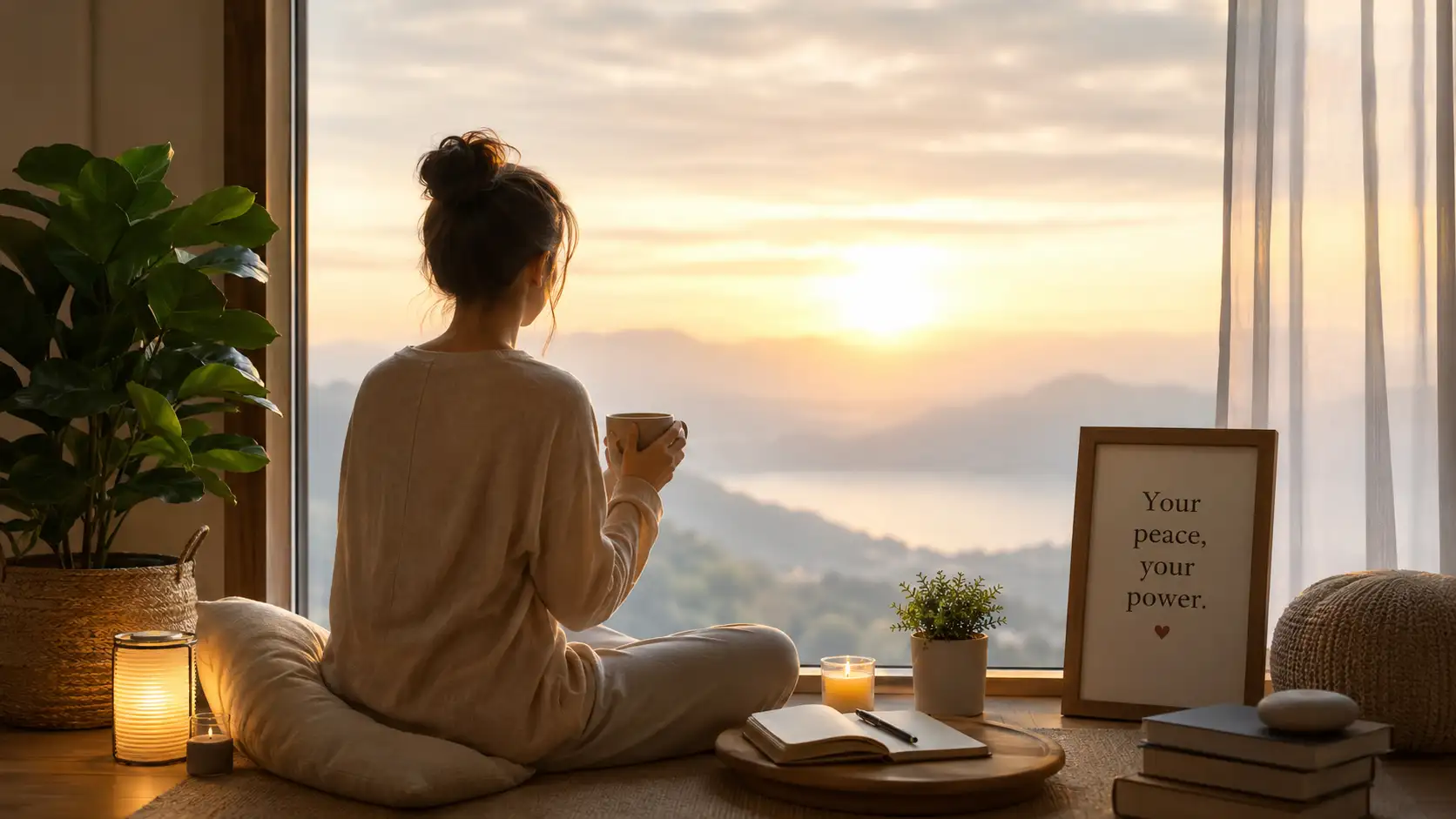
This is where the concept of emotional independence comes in. Learning to be your own safe space does not mean isolating yourself or rejecting support from loved ones. Instead, it is about building an internal sanctuary a calm, steady foundation within yourself that remains intact no matter what happens around you.
When you lack emotional independence, your mood and self-worth become heavily dependent on how other people react to you. A slow reply to a text message, a mild criticism from a colleague, or a sudden change in plans can send your emotions into a tailspin. By contrast, when you are emotionally independent, you understand that while you cannot control how other people act, you can always control how you respond to your inner world.
Learning to validate yourself means listening to your own thoughts without harsh judgment. It is the simple act of checking in with yourself and saying, "It is completely fine that I feel this way right now." When you give yourself permission to feel your emotions, the desperate urge to seek approval from outside sources naturally drops away, leaving behind a deep sense of relief.
You stop clinging to people out of fear or emotional need, allowing you to connect with others from a place of genuine desire, love, and mutual respect.
Becoming your own safe space is one of the greatest gifts you can give yourself. By building a steady, compassionate home within your own mind, you gain the confidence to navigate life’s inevitable challenges with grace, calm authority, and enduring peace.
This is where the concept of emotional independence comes in. Learning to be your own safe space does not mean isolating yourself or rejecting support from loved ones. Instead, it is about building an internal sanctuary a calm, steady foundation within yourself that remains intact no matter what happens around you.
1. Understanding Emotional Independence
Emotional independence is the ability to recognize, process, and regulate your own feelings without needing constant external validation. Many people confuse emotional independence with being cold or distant, but true self-reliance is actually rooted in self-compassion and emotional clarity.When you lack emotional independence, your mood and self-worth become heavily dependent on how other people react to you. A slow reply to a text message, a mild criticism from a colleague, or a sudden change in plans can send your emotions into a tailspin. By contrast, when you are emotionally independent, you understand that while you cannot control how other people act, you can always control how you respond to your inner world.
2. The Comfort of Self-Validation
One of the most liberating aspects of becoming your own safe space is mastering the art of self-validation. We often waste immense amounts of mental energy trying to prove our feelings are justified to others, hoping someone else will tell us we are allowed to feel upset, tired, or proud.You may also like
- "By the time a child turns 18, parents have already spent 93% of the total time they'll ever have together," says educator- and the simple calculation is leaving people emotional
- Psychology says one painful comment can stay with you for years while dozens of kind words fade away
- Chinese proverb of the day: Why "It takes more than one cold day for…" reminds us that lasting results take time
- Psychology says people who talk to their pets like they are humans have these 7 unique psychological strengths
- Train News: Several trains are affected from today until August 7; check which routes have changed and view the full list.
Learning to validate yourself means listening to your own thoughts without harsh judgment. It is the simple act of checking in with yourself and saying, "It is completely fine that I feel this way right now." When you give yourself permission to feel your emotions, the desperate urge to seek approval from outside sources naturally drops away, leaving behind a deep sense of relief.
3. How to Become Your Own Safe Space
Building emotional self-reliance takes time, patience, and practice. You can begin transforming your internal environment by adopting a few simple daily habits:- Practice emotional check-ins: Spend a few quiet minutes each day asking yourself how you genuinely feel, rather than immediately rushing to fill the silence with work or screens.
- Cultivate gentle self-talk: Pay close attention to your inner voice. Treat yourself with the same warmth, patience, and understanding that you would offer a close friend who is struggling.
- Sit through discomfort: When uncomfortable emotions like anxiety or sadness arise, try sitting quietly with them for a few moments instead of immediately trying to distract yourself or fix the feeling.
- Establish healthy boundaries: Protect your mental space by saying no to commitments or relationships that consistently drain your energy.
4. Stronger Connections Through Self-Reliance
Paradoxically, becoming emotionally independent actually improves your relationships with other people. When you no longer look to a partner, friend, or family member to fix your mood or validate your worth, your relationships are freed from excessive pressure and expectation.You stop clinging to people out of fear or emotional need, allowing you to connect with others from a place of genuine desire, love, and mutual respect.
Becoming your own safe space is one of the greatest gifts you can give yourself. By building a steady, compassionate home within your own mind, you gain the confidence to navigate life’s inevitable challenges with grace, calm authority, and enduring peace.






Loving Newspoint? Download the app now
