
What Is a Blue Moon? Unlocking the Rare Orbital Science Passing Earth This Weekend

The beautiful mechanics of our solar system often treat humanity to spectacular night sky displays that capture our collective imagination. While the moon goes through its standard phases every single month, minor variations in its orbit and calendar positioning can transform a regular evening into a major scientific celebration. For millions of space enthusiasts worldwide, missing out on these infrequent orbital patterns is a source of genuine agony . This weekend, a highly anticipated lunar event is set to unfold right before our eyes, offering a perfect example of how planetary geometry aligns. On Sunday, May 31, 2026, the night sky will be illuminated by a rare celestial display. Casual observers and professional researchers alike are currently looking up answers to a fundamental question: What is a Blue Moon ?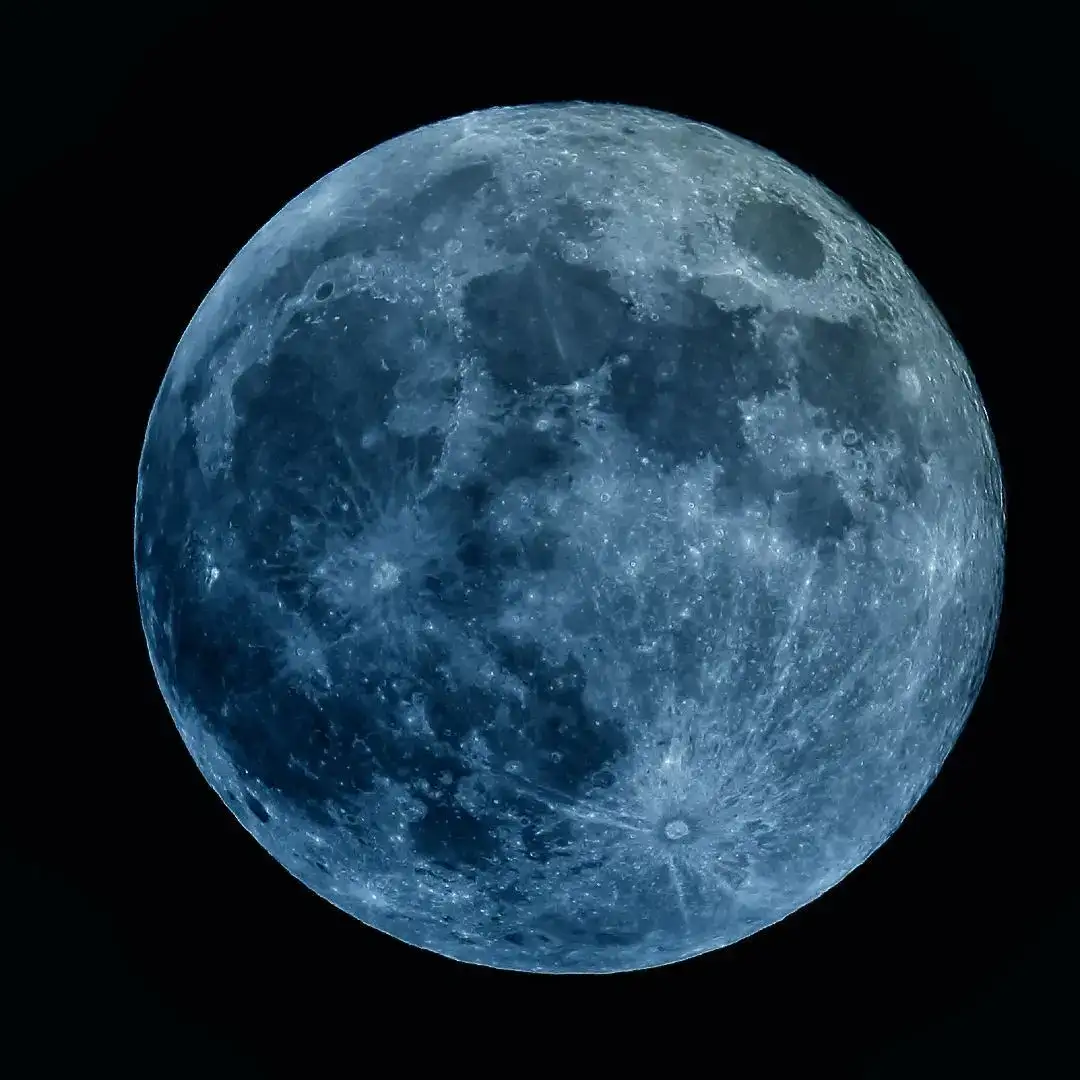
To make the night even more special, the moon will be gliding right next to Antares, a massive red supergiant star that serves as the bright heart of the Scorpius constellation. By finding a dark viewing spot away from heavy city light pollution and using basic binoculars to see the deep lunar craters, anyone can easily experience this historic cosmic pairing.
You may also like
- Boden's new collection is here and there's a way to save 20% off summer staples
- UPSSSC Lower PCS 2026: Applications Open for 2,285 Posts; Forms Can Be Submitted Until June 18..
- PM Surya Ghar Scheme: On-Grid or Off-Grid—Which Solar Panel Installation Is More Beneficial?
- SIP Calculator: Even a ₹2,000 SIP Can Make You a Lakhpati—How Many Years of Investment Are Required? Understand the Full Calculation Here..
- Baby Formula Safety Tips: How to Store, Prepare, and Use It Safely
What Is a Blue Moon? The Precise Orbital Science Explained
The term "Blue Moon" has a long history in pop culture, often used to describe an event that is incredibly rare. However, in the realm of modern space science, the name actually refers to a specific calendar pattern rather than a change in the physical color of the lunar surface. Because the moon takes roughly 29.5 days to complete a full lunar cycle, it is slightly shorter than almost all of our standard calendar months. This minor time gap means that every two to three years, an extra full moon gets squeezed into a single month. May 2026 features a beautiful "double feature" that began with the Flower Moon peaking on May 1, and ends with this second full moon rising on May 31.Understanding the Exact Blue Moon Timing in India and Global Zones
For those mapping out their weekend evening, timing is everything to avoid the agony of a missed opportunity. The moon will reach its official peak illumination globally at 08:45 UTC on May 31. This translates to an exact Blue Moon timing in India of 2:15 p.m. IST on Sunday, May 31, 2026. Because this peak occurs during the day in Asia, the moon will be below the horizon at that precise minute. However, the moon will still look completely full, massive, and beautiful when it officially rises in the Indian sky later that evening at around 7:31 p.m. IST, remaining visible throughout the entire night.A Simple Sky Guide on How to Watch the Blue Moon This Weekend
Thankfully, learning how to watch the Blue Moon this Sunday requires absolutely no specialized equipment or expensive tracking tools. The moon is the most generous celestial object, easily visible to anyone with a clear view of the horizon. To get the absolute best view, skywatchers should step outside shortly after sunset on May 31 and look toward the southeastern sky.To make the night even more special, the moon will be gliding right next to Antares, a massive red supergiant star that serves as the bright heart of the Scorpius constellation. By finding a dark viewing spot away from heavy city light pollution and using basic binoculars to see the deep lunar craters, anyone can easily experience this historic cosmic pairing.






More from our partners


Loving Newspoint? Download the app now
