
Things Every Coffee Lover Should Know About Their Favourite Drink

Coffee is one of the world's most loved beverages, enjoyed by millions every day. Whether you prefer a strong espresso, a creamy cappuccino, or a simple black coffee, there's always something new to discover about this remarkable drink. Here are some fascinating and scientifically accurate facts every coffee enthusiast should know.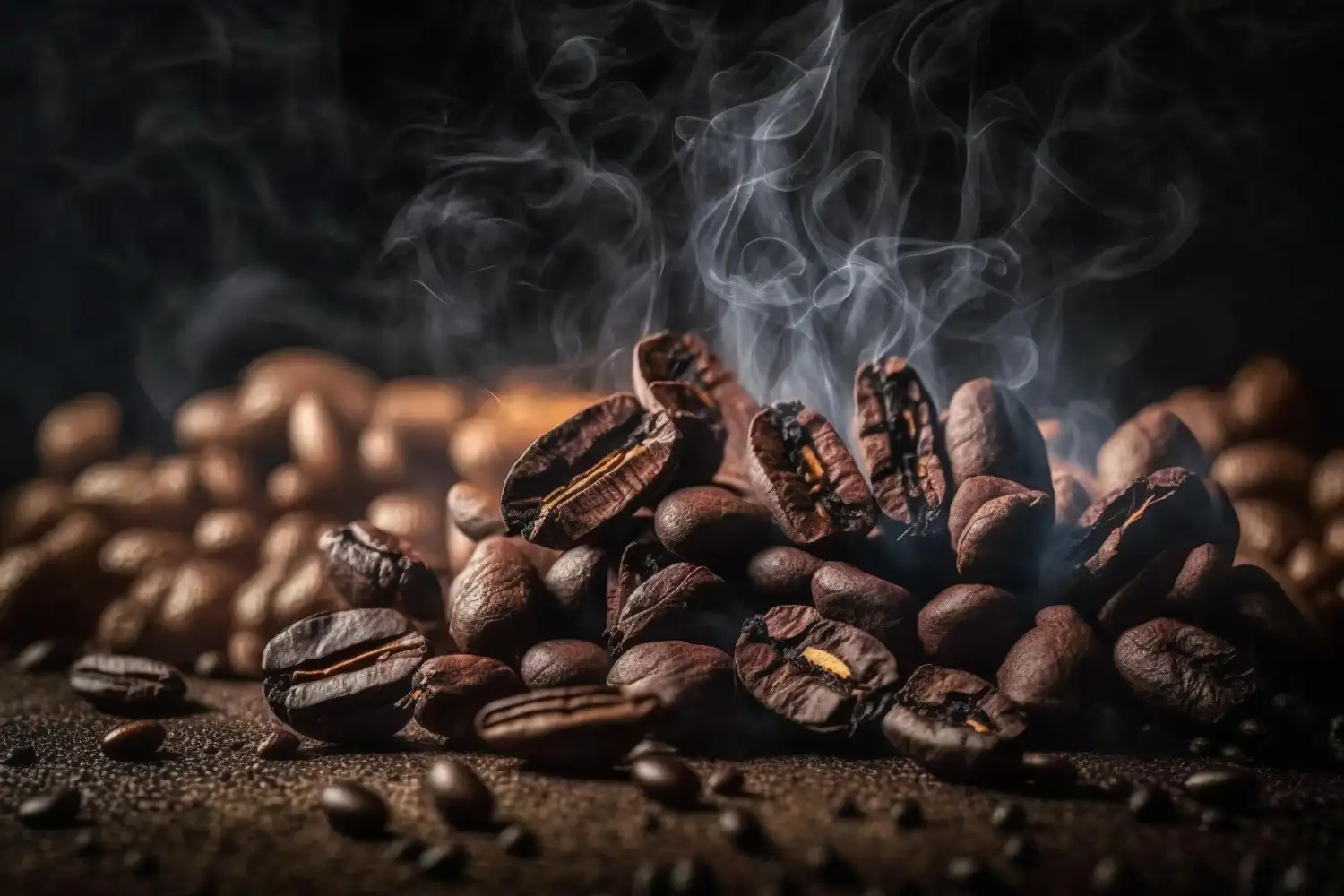
Coffee Comes from a Fruit
Many people think coffee is a bean, but it actually starts as the seed of a fruit called the coffee cherry. Each cherry usually contains two seeds, which are processed, dried, roasted, and ground to make the coffee we drink.
There Are Many Coffee Species, But Two Dominate
Although more than 100 species of coffee plants exist, almost all of the world's coffee production comes from just two:
Roasting Creates Coffee's Signature Flavor
Raw coffee seeds are green and have very little aroma. The familiar flavors and scents develop during roasting through a series of complex chemical reactions, including the Maillard reaction and caramelization, which produce hundreds of aromatic compounds.
Dark Roast Doesn't Mean More Caffeine
A common myth is that darker coffee has more caffeine. In reality, the roasting process doesn't dramatically increase caffeine. If measured by weight, light and dark roasts contain very similar amounts of caffeine. Since dark roast beans become less dense during roasting, a scoop of dark roast may contain slightly less caffeine than a scoop of light roast.
Coffee Contains Natural Antioxidants
Coffee is naturally rich in antioxidants, including compounds called chlorogenic acids. These antioxidants help protect cells from oxidative stress. The exact amount varies depending on the bean variety and roasting level.
Freshness Matters More Than You Think
Coffee tastes best when consumed relatively soon after roasting. Exposure to air, moisture, heat, and light gradually reduces its aroma and flavor. Storing whole beans in an airtight container at room temperature helps preserve their quality.
Espresso Has Less Caffeine Per Serving Than Many Think
Espresso is highly concentrated, but because the serving size is small, a single shot usually contains less total caffeine than a standard mug of brewed coffee. However, espresso contains much more caffeine per ounce.
Water Quality Makes a Big Difference
Since brewed coffee is mostly water, the quality of the water significantly affects its taste. Clean, fresh water with balanced mineral content generally produces better-tasting coffee than distilled or heavily mineralized water.
Grind Size Affects Flavor Extraction
The size of the coffee grounds plays an important role in brewing.
Coffee Is Grown in the 'Bean Belt'
Coffee grows best in tropical regions located roughly between the Tropics of Cancer and Capricorn. This area, often called the Coffee Belt or Bean Belt, includes parts of South America, Africa, Asia, and Central America.
Decaffeinated Coffee Isn't Completely Caffeine-Free
Decaffeinated coffee still contains a small amount of caffeine. Most decaf coffees have about 97% or more of their caffeine removed, but tiny amounts remain.
Coffee Aroma Contains Hundreds of Compounds
Scientists have identified hundreds of volatile compounds that contribute to coffee's distinctive aroma. Different roasting methods, bean varieties, and brewing techniques all influence the final fragrance and flavor profile.
Moderate Coffee Consumption Can Be Part of a Healthy Lifestyle
For most healthy adults, moderate coffee consumption is generally considered safe. However, individual tolerance varies, and some people, including pregnant individuals or those with certain medical conditions, may need to limit caffeine intake based on medical advice.
Coffee is much more than a morning pick-me-up. From its origins as a fruit to the science behind roasting and brewing, every cup has an interesting story. Understanding these facts can help you appreciate your favorite beverage even more and make better choices when selecting, storing, and brewing coffee.
Disclaimer: This article is based on general information available from reliable online sources. Facts and details may vary depending on research updates, coffee varieties, and brewing methods. Readers are advised to verify information from expert sources for specific concerns.
Coffee Comes from a Fruit
Many people think coffee is a bean, but it actually starts as the seed of a fruit called the coffee cherry. Each cherry usually contains two seeds, which are processed, dried, roasted, and ground to make the coffee we drink. There Are Many Coffee Species, But Two Dominate
Although more than 100 species of coffee plants exist, almost all of the world's coffee production comes from just two: - Arabica (Coffea arabica): Known for its smooth, sweet, and aromatic flavor.
- Robusta (Coffea canephora): Typically stronger, more bitter, and naturally higher in caffeine than Arabica.
Roasting Creates Coffee's Signature Flavor
Raw coffee seeds are green and have very little aroma. The familiar flavors and scents develop during roasting through a series of complex chemical reactions, including the Maillard reaction and caramelization, which produce hundreds of aromatic compounds.Dark Roast Doesn't Mean More Caffeine
A common myth is that darker coffee has more caffeine. In reality, the roasting process doesn't dramatically increase caffeine. If measured by weight, light and dark roasts contain very similar amounts of caffeine. Since dark roast beans become less dense during roasting, a scoop of dark roast may contain slightly less caffeine than a scoop of light roast. Coffee Contains Natural Antioxidants
Coffee is naturally rich in antioxidants, including compounds called chlorogenic acids. These antioxidants help protect cells from oxidative stress. The exact amount varies depending on the bean variety and roasting level.Freshness Matters More Than You Think
Coffee tastes best when consumed relatively soon after roasting. Exposure to air, moisture, heat, and light gradually reduces its aroma and flavor. Storing whole beans in an airtight container at room temperature helps preserve their quality. Espresso Has Less Caffeine Per Serving Than Many Think
Espresso is highly concentrated, but because the serving size is small, a single shot usually contains less total caffeine than a standard mug of brewed coffee. However, espresso contains much more caffeine per ounce. Water Quality Makes a Big Difference
Since brewed coffee is mostly water, the quality of the water significantly affects its taste. Clean, fresh water with balanced mineral content generally produces better-tasting coffee than distilled or heavily mineralized water. Grind Size Affects Flavor Extraction
The size of the coffee grounds plays an important role in brewing. - Fine grounds work well for espresso.
- Medium grounds suit drip coffee makers.
- Coarse grounds are ideal for French press brewing.
You may also like
- Covid-19: 339 Corona cases reported in July, infection reaches Delhi too; is the pandemic returning?
- Essential Hair Care Tips for the Rainy Season
- Sawan 2026: Important Dates and Religious Significance
- Sonam Wangchuk Health Update: How much weight loss at once will lead to death? Understand your body's health management.
- Ananya Panday's Gaurav Gupta couture finale proves the modern bride doesn't need to play by the rules
Coffee Is Grown in the 'Bean Belt'
Coffee grows best in tropical regions located roughly between the Tropics of Cancer and Capricorn. This area, often called the Coffee Belt or Bean Belt, includes parts of South America, Africa, Asia, and Central America. Decaffeinated Coffee Isn't Completely Caffeine-Free
Decaffeinated coffee still contains a small amount of caffeine. Most decaf coffees have about 97% or more of their caffeine removed, but tiny amounts remain. Coffee Aroma Contains Hundreds of Compounds
Scientists have identified hundreds of volatile compounds that contribute to coffee's distinctive aroma. Different roasting methods, bean varieties, and brewing techniques all influence the final fragrance and flavor profile. Moderate Coffee Consumption Can Be Part of a Healthy Lifestyle
For most healthy adults, moderate coffee consumption is generally considered safe. However, individual tolerance varies, and some people, including pregnant individuals or those with certain medical conditions, may need to limit caffeine intake based on medical advice. Coffee is much more than a morning pick-me-up. From its origins as a fruit to the science behind roasting and brewing, every cup has an interesting story. Understanding these facts can help you appreciate your favorite beverage even more and make better choices when selecting, storing, and brewing coffee.
Disclaimer: This article is based on general information available from reliable online sources. Facts and details may vary depending on research updates, coffee varieties, and brewing methods. Readers are advised to verify information from expert sources for specific concerns.






Loving Newspoint? Download the app now
