
Where to See Basking Sharks in Ireland: A Guide to the Best Coastal Viewing Spots

Along the rugged coastal reaches of western Ireland, the chilly waters of the North Atlantic hold a hidden world of marine biodiversity. As warmer spring and summer temperatures take hold, nutrient-rich currents provoke massive blooms of microscopic plankton along Ireland's coastline. This biological event draws in the world's second-largest living fish species: the basking shark (Cetorhinus maximus).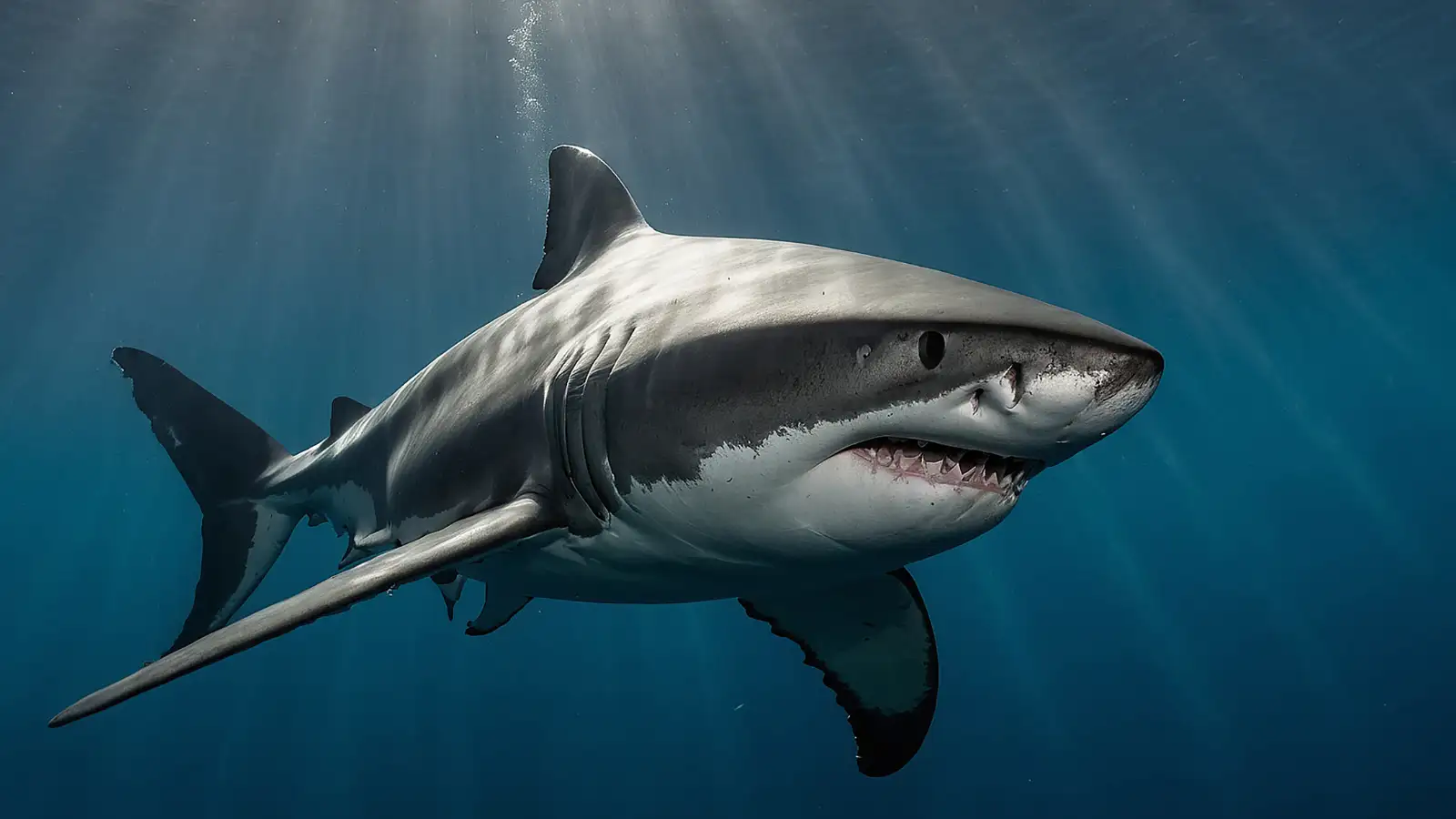
Measuring up to twelve meters in length and weighing over four metric tons, these enormous creatures rival double-decker buses in scale. Despite their imposing size and wide-gaping mouths, basking sharks are gentle filter feeders, swimming slowly near the surface with their prominent dorsal fins slicing through the water. For generations, local fishermen referred to them as Ainmhí Sheoil, an Irish name translating to "the beast with the sail," referencing the massive fin that crests above the ocean waves.
In recent years, researchers and photographers have documented unusual social behaviors in Irish waters. Groups of basking sharks often swim in tight circular formations known as a torus. During these rituals, they glide close to one another with closed mouths, leading marine biologists to believe these displays serve a vital role in courtship. On rare occasions, observers on shore witness the breathtaking sight of a twelve-meter shark breaching completely out of the water before crashing back into the ocean with a thunderous splash.
Today, public perception and government policy have shifted dramatically. Ireland officially designated the basking shark as a protected species under the Wildlife Act, making it illegal to harm, harass, or willfully disturb them in Irish territorial waters. This landmark legislation recognized the crucial importance of Irish bays as seasonal nursery and feeding grounds.
Wild marine encounters offer an unforgettable alternative to aquariums or artificial attractions. Standing on a sea cliff at Malin Head or riding a ethical sea safari craft out of Dingle, visitors can watch multiple dark shadows glide beneath crystal-clear waters. As awareness grows, the return of these ocean giants serves as a testament to effective marine conservation and the enduring magic of Ireland's wild Atlantic shores.
Measuring up to twelve meters in length and weighing over four metric tons, these enormous creatures rival double-decker buses in scale. Despite their imposing size and wide-gaping mouths, basking sharks are gentle filter feeders, swimming slowly near the surface with their prominent dorsal fins slicing through the water. For generations, local fishermen referred to them as Ainmhí Sheoil, an Irish name translating to "the beast with the sail," referencing the massive fin that crests above the ocean waves.
Witnessing a Spectacular Natural Gathering
Coastal hotspots such as Loop Head in County Clare, the Aran Islands, and the waters off County Kerry provide ideal vantage points for observing these marine wonders. Unlike predatory sharks that hunt solitary prey in deep offshore trenches, basking sharks frequent shallow bays and coastal headlands. They cruise along the surface at a measured speed of around two to three knots, filtering thousands of tons of seawater every hour to trap tiny crustaceans in their specialized gill rakers.You may also like
In recent years, researchers and photographers have documented unusual social behaviors in Irish waters. Groups of basking sharks often swim in tight circular formations known as a torus. During these rituals, they glide close to one another with closed mouths, leading marine biologists to believe these displays serve a vital role in courtship. On rare occasions, observers on shore witness the breathtaking sight of a twelve-meter shark breaching completely out of the water before crashing back into the ocean with a thunderous splash.
From Historical Exploitation to Landmark Protection
The story of the basking shark in Ireland is one of remarkable ecological recovery. For centuries, these creatures were heavily hunted across the Atlantic for their large, oil-rich livers, which provided fuel for street lamps in Dublin, London, and beyond. Historical fisheries in Achill Island wiped out thousands of individuals in the mid-twentieth century, causing regional populations to plummet precipitously.Today, public perception and government policy have shifted dramatically. Ireland officially designated the basking shark as a protected species under the Wildlife Act, making it illegal to harm, harass, or willfully disturb them in Irish territorial waters. This landmark legislation recognized the crucial importance of Irish bays as seasonal nursery and feeding grounds.
Responsible Eco-Tourism and the Visitor Experience
With heightened interest in ocean wildlife, responsible tour operators along the Wild Atlantic Way are giving travelers a chance to observe these animals sustainably. Marine conservation organizations advocate a strict code of conduct for boat skippers, kayakers, and coastal observers. Vessels must maintain low speeds and keep a respectful distance to avoid striking the sharks or disrupting their feeding patterns.Wild marine encounters offer an unforgettable alternative to aquariums or artificial attractions. Standing on a sea cliff at Malin Head or riding a ethical sea safari craft out of Dingle, visitors can watch multiple dark shadows glide beneath crystal-clear waters. As awareness grows, the return of these ocean giants serves as a testament to effective marine conservation and the enduring magic of Ireland's wild Atlantic shores.






Loving Newspoint? Download the app now
