
Animals That Curl Into a Ball to Stay Alive: Nature’s Smartest Survival Strategy

Animals that curl into a ball to stay alive have mastered one of nature’s most fascinating defence mechanisms. Instead of running or fighting, these creatures protect themselves by folding inward, transforming vulnerable bodies into near-impenetrable shields. Across forests, deserts and grasslands, this simple yet powerful survival strategy has helped species endure predators for millions of years. What may look like fear is, in reality, a highly evolved act of self-protection.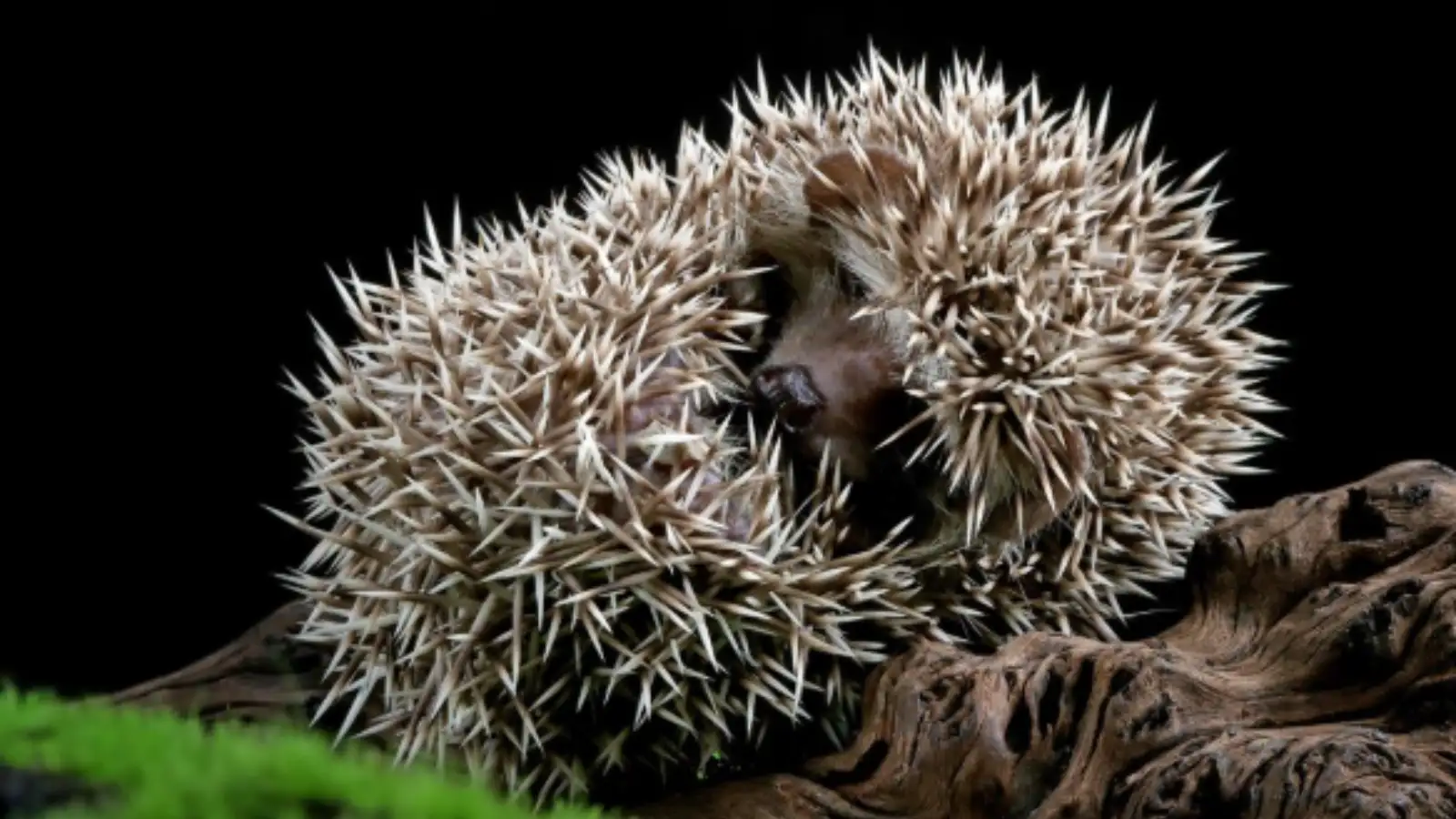
Let’s explore the remarkable animals that rely on curling into a ball as their ultimate survival tactic.
The Hedgehog: Spines That Form Instant Armour
The Hedgehog is perhaps the most recognisable animal known for curling into a ball. Small and seemingly fragile, it hides an extraordinary defence system beneath its skin.
Predators are left facing a prickly sphere with no exposed weak spots. Instead of fighting, hedgehogs rely on patience, remaining curled until the threat disappears. This calm, energy-saving approach makes them highly effective survivors.
The Armadillo: A Living Shield with Built-In Protection
The Armadillo, particularly the Three-banded armadillo, takes defensive curling to another level.
Unlike other armadillo species, the three-banded armadillo can roll into a near-perfect sphere. Its body is covered in tough, bony plates connected by flexible skin.
Rather than fleeing, the armadillo trusts its natural design. This strategy proves that survival is not always about speed - sometimes it’s about structure.
The Pangolin: Scales That Create an Impenetrable Ball
The Pangolin is one of the most unique animals that curl into a ball to stay alive. Covered entirely in tough keratin scales, it forms a compact, protective sphere when danger approaches.
While this defence works effectively against natural predators, pangolins sadly remain vulnerable to illegal wildlife trade. Still, their curling behaviour remains one of nature’s most impressive protective adaptations.
The Pill Bug: Tiny but Tactically Brilliant
Often called roly-polies, the Pill bug may be small, but its survival instincts are ancient.
Interestingly, pill bugs are crustaceans, related to crabs and shrimp. When disturbed, they instantly roll into a tight ball.
This behaviour:
Their quick reflex proves that even the smallest creatures rely on the same defensive principle as larger mammals.
The Millipede: Coiling for Calm Defence
The Millipede may not form a perfect sphere, but it curls into a protective spiral when threatened.
Millipedes are peaceful decomposers, playing a vital role in breaking down organic matter. Their defensive curl reflects patience rather than panic - a quiet yet effective way to survive.
Let’s explore the remarkable animals that rely on curling into a ball as their ultimate survival tactic.
The Hedgehog: Spines That Form Instant Armour
The Hedgehog is perhaps the most recognisable animal known for curling into a ball. Small and seemingly fragile, it hides an extraordinary defence system beneath its skin.
- When threatened, powerful muscles contract rapidly.
- The head, legs and soft belly pull inward.
- Sharp spines point outward in every direction.
Predators are left facing a prickly sphere with no exposed weak spots. Instead of fighting, hedgehogs rely on patience, remaining curled until the threat disappears. This calm, energy-saving approach makes them highly effective survivors.
The Armadillo: A Living Shield with Built-In Protection
The Armadillo, particularly the Three-banded armadillo, takes defensive curling to another level.
Unlike other armadillo species, the three-banded armadillo can roll into a near-perfect sphere. Its body is covered in tough, bony plates connected by flexible skin.
- Head and tail tuck inward.
- Shell plates lock tightly together.
- Predators struggle to grip or penetrate the armour.
Rather than fleeing, the armadillo trusts its natural design. This strategy proves that survival is not always about speed - sometimes it’s about structure.
The Pangolin: Scales That Create an Impenetrable Ball
The Pangolin is one of the most unique animals that curl into a ball to stay alive. Covered entirely in tough keratin scales, it forms a compact, protective sphere when danger approaches.
- Vulnerable areas are tucked safely inside.
- Overlapping scales create a hard exterior barrier.
- Predators find it extremely difficult to bite through.
While this defence works effectively against natural predators, pangolins sadly remain vulnerable to illegal wildlife trade. Still, their curling behaviour remains one of nature’s most impressive protective adaptations.
The Pill Bug: Tiny but Tactically Brilliant
Often called roly-polies, the Pill bug may be small, but its survival instincts are ancient.
Interestingly, pill bugs are crustaceans, related to crabs and shrimp. When disturbed, they instantly roll into a tight ball.
This behaviour:
- Protects their soft underside.
- Reduces moisture loss.
- Shields them from predators.
Their quick reflex proves that even the smallest creatures rely on the same defensive principle as larger mammals.
The Millipede: Coiling for Calm Defence
The Millipede may not form a perfect sphere, but it curls into a protective spiral when threatened.
- The soft underside is hidden.
- The tougher outer body faces outward.
- Some species release mild chemical deterrents.
Millipedes are peaceful decomposers, playing a vital role in breaking down organic matter. Their defensive curl reflects patience rather than panic - a quiet yet effective way to survive.
Next Story