Which Animals Sleep The Least? Here's The Answer

Sleep is essential for most living creatures, but not every animal needs long hours of rest. While cats, koalas and sloths are known for sleeping much of the day, several species have evolved to function with very little sleep. Their unusual animal sleep habits help them avoid predators, search for food or continue travelling across vast distances.
Hero Image


From mammals and birds to amphibians and marine life, these fascinating creatures prove that there is no one-size-fits-all approach to rest. Here are eight animals that sleep the least and the remarkable adaptations that keep them going.

1. Giraffe

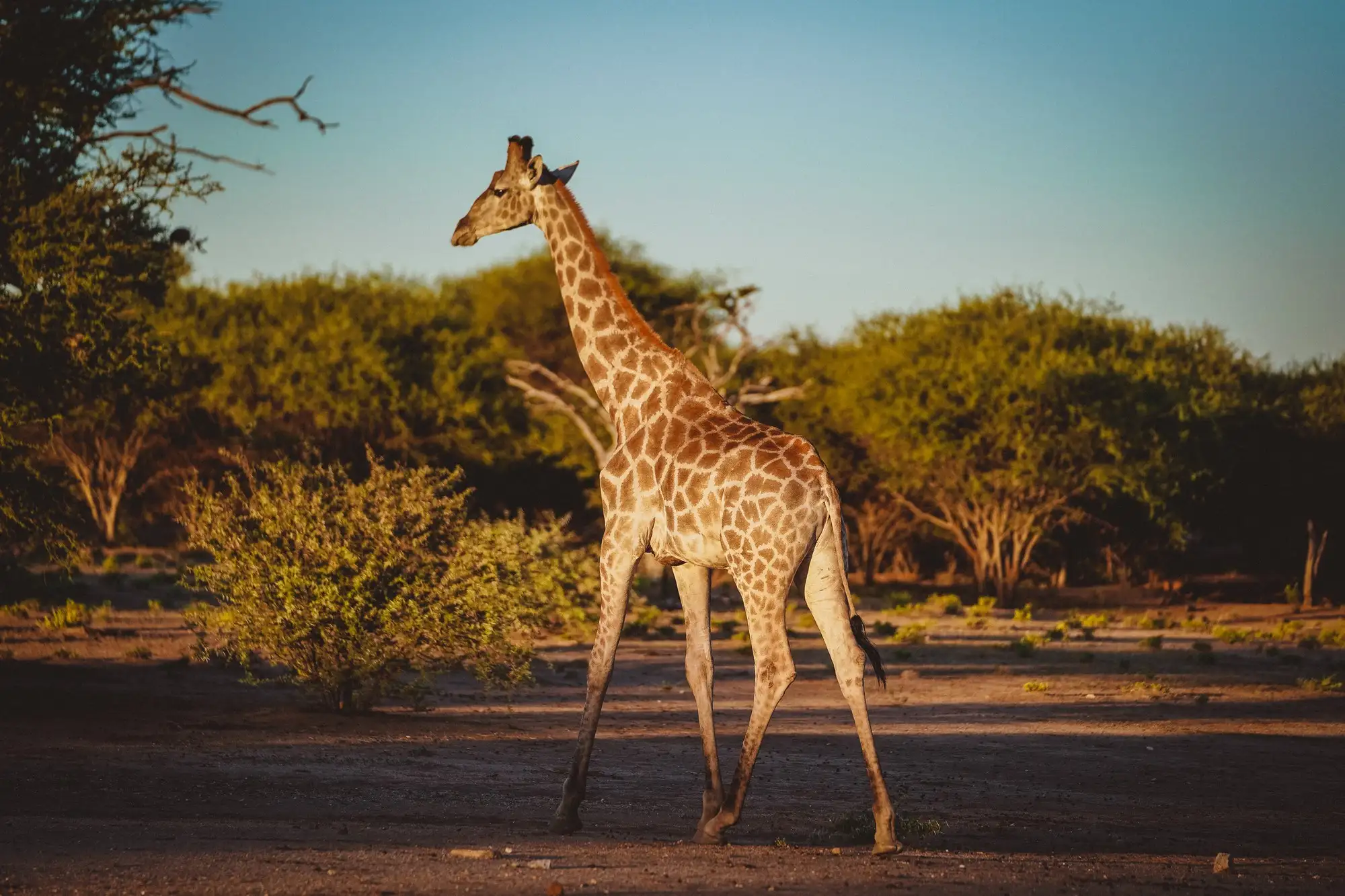
The giraffe sleep pattern is one of the shortest among mammals. Wild giraffes usually sleep for only 30 minutes to two hours each day, divided into several brief naps lasting just a few minutes.


Since lying down makes them vulnerable to predators and standing up again takes time, giraffes prefer quick periods of rest whenever they feel safe.

2. African Elephant

African elephants also rank among the animals with little sleep . Studies suggest they average only about two hours of sleep daily and may occasionally remain awake for nearly two days.


Their enormous bodies require vast amounts of food and water, so they spend much of their time travelling long distances instead of resting.

Also Read: Amazing Deep Sea Animals That Look Like Science Fiction

3. Bullfrog

Unlike most animals, bullfrogs do not appear to enter deep sleep. Instead, they remain in a quiet resting state while still responding to sounds and movement around them.

Scientists continue to study these unusual animal sleep habits, as bullfrogs stay alert even during periods of inactivity.


4. Bottlenose Dolphin

The dolphin sleep pattern is one of nature's most remarkable adaptations. Bottlenose dolphins sleep with only one half of their brain at a time, a process known as unihemispheric sleep.

This allows them to continue swimming, breathe at the surface and remain alert for predators while the other half of the brain rests.

5. Orca

Orcas use a similar sleeping strategy to dolphins. One side of the brain rests while the other stays awake, enabling them to swim continuously and remain with their pod.

This adaptation is especially important for newborn calves, which stay highly active during their first weeks of life.

6. Alpine Swift

The alpine swift is famous for spending months in continuous flight during migration. Scientists believe these birds sleep only for extremely short periods while gliding through the air.


Their ability to survive long journeys with minimal sleep makes them one of the most fascinating examples of unusual animal sleep.

7. Frigatebird

Great frigatebirds can remain airborne over the ocean for weeks without landing. During these journeys, they sleep only a few minutes each day using one-sided brain sleep.

Once they return to land, they recover by sleeping for much longer periods, helping them make up for the sleep they missed during flight.

8. Horse

Horses have developed an efficient way to rest while standing. A specialised system of tendons and ligaments, known as the stay apparatus, locks their legs in place without requiring much effort.

Although they occasionally lie down for deep REM sleep, horses usually sleep for around three hours daily. Remaining upright allows them to escape quickly if threatened by predators.


Also Read: Meet the Animals That Grow Food Just Like Humans

Why Do Some Animals Sleep So Little?

The animals that sleep the least have adapted to meet the demands of their environment. Some need to stay constantly alert for danger, while others must travel long distances in search of food or continue moving to survive.

These extraordinary wildlife facts show how evolution has shaped different sleep strategies across the animal kingdom. Whether it is sleeping with half the brain or taking brief power naps, these species demonstrate that survival often requires remarkable adaptations.