
Are Chapatis Enough? Why a Balanced Diet Matters More Than Daily Rotis

For millions of Indians, chapatis every day are a non-negotiable part of lunch and dinner. Soft, warm, and comforting, they have been a staple of Indian meals for generations. But is relying on chapatis alone enough to meet your body's nutritional needs? While chapatis are undoubtedly a healthy food, they cannot provide every nutrient your body requires. To stay energetic, support immunity, and maintain overall well-being, your meals need much more than just this wholesome staple.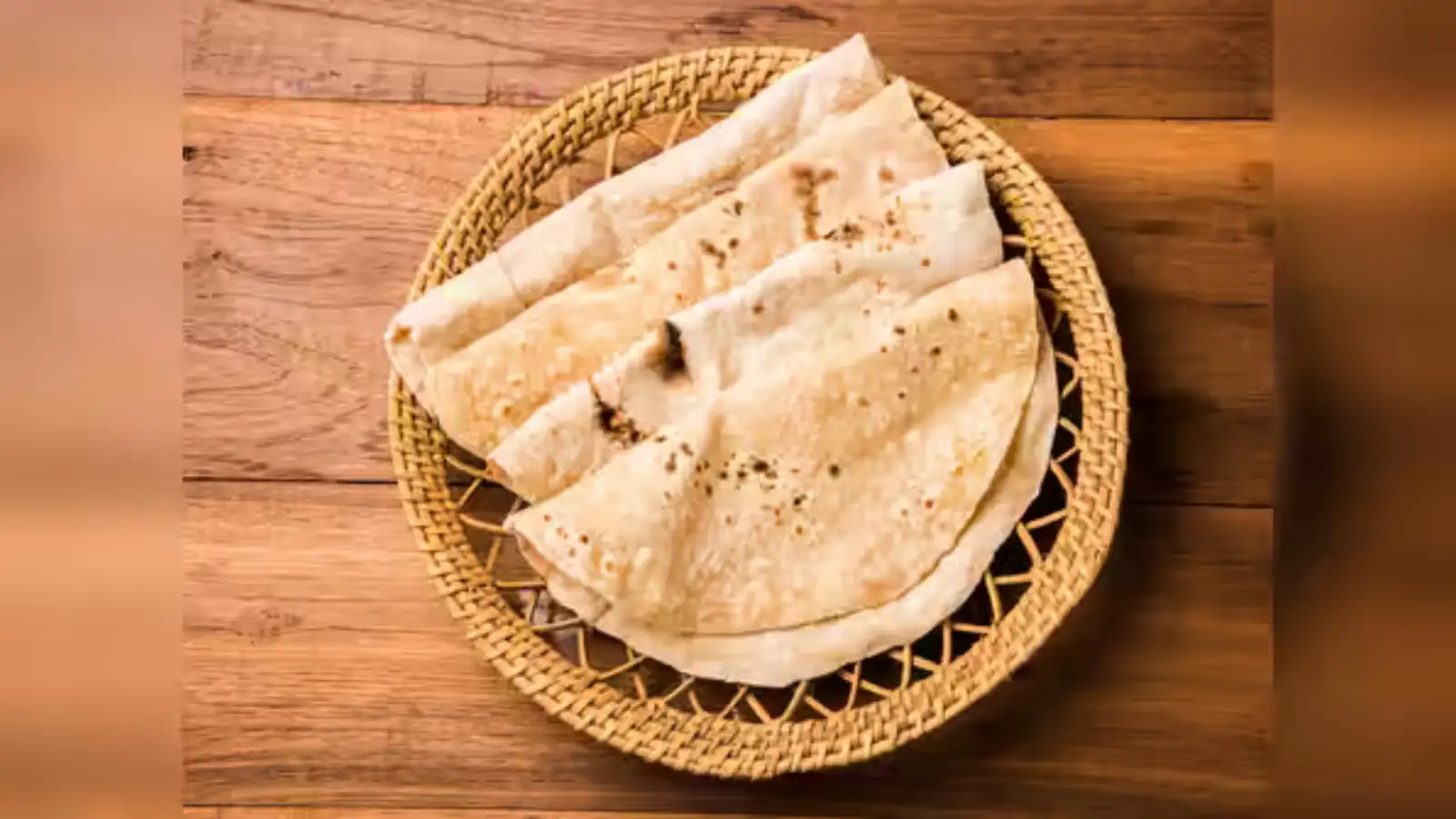
Why Chapatis Are a Healthy Choice
Chapatis have earned their place in a healthy diet for good reason. Made from whole wheat flour, they are packed with complex carbohydrates, dietary fibre, and essential B vitamins.
Unlike foods prepared with refined flour, whole wheat chapatis release energy gradually, helping you stay active for longer. They also support digestive health, improve satiety, and fit well into most balanced eating plans. This is why nutritionists often recommend whole grains as part of a healthy lifestyle.
However, while chapatis offer several health benefits, they were never designed to provide every nutrient your body needs. Depending entirely on them can leave important nutritional gaps.
Feeling Full Doesn't Mean Your Body Has Everything It Needs
A meal consisting mainly of chapatis may leave your stomach satisfied, but fullness isn't the same as complete nutrition.
Your body requires a mix of nutrients to function efficiently. Carbohydrates supply energy, but proteins repair tissues and muscles, healthy fats support hormone production and brain function, vitamins strengthen immunity, and minerals keep your bones, blood, and organs healthy.
Although chapatis contain small amounts of protein and minerals, they are primarily a carbohydrate-rich food. Without adding other nutrient-rich foods to your plate, your body may gradually miss out on essential nutrients that are vital for long-term health.
Protein: The Nutrient Missing from Many Chapati-Based Meals
One of the biggest nutritional shortcomings of a chapati-heavy diet is inadequate protein intake.
Protein is not only important for athletes or fitness enthusiasts. Every person needs sufficient protein each day to repair body tissues, maintain muscle mass, produce enzymes and hormones, and strengthen the immune system. It also keeps you feeling fuller for longer, helping reduce unhealthy snacking.
Fortunately, increasing protein intake doesn't require complicated recipes. Pair your chapatis with foods such as:
Even adding a simple bowl of curd or an extra serving of dal can significantly improve the nutritional quality of your meal.
A Colourful Plate Is a Healthier Plate
If your meal is mostly brown, your body could be missing out on several important nutrients.
Fresh vegetables and fruits provide vitamins, minerals, antioxidants, and fibre that support immunity, digestion, heart health, and overall wellness. Different colours represent different nutrients, making variety especially important.
Include colourful vegetables like:
A bowl of seasonal sabzi or a fresh salad alongside your chapatis may seem like a small addition, but it plays a major role in making your meal nutritionally complete.
Don't Skip Healthy Fats
For years, dietary fat was considered something to avoid. Today, experts know that healthy fats are an essential part of a balanced diet .
Healthy fats help your body absorb fat-soluble vitamins, support brain function, regulate hormones, and improve overall cell health. They also make meals more satisfying.
Simple sources of healthy fats include:
Since chapatis naturally contain very little fat, pairing them with these foods creates a far more balanced and nourishing meal.
Why Chapatis Are a Healthy Choice
Chapatis have earned their place in a healthy diet for good reason. Made from whole wheat flour, they are packed with complex carbohydrates, dietary fibre, and essential B vitamins.
Unlike foods prepared with refined flour, whole wheat chapatis release energy gradually, helping you stay active for longer. They also support digestive health, improve satiety, and fit well into most balanced eating plans. This is why nutritionists often recommend whole grains as part of a healthy lifestyle.
However, while chapatis offer several health benefits, they were never designed to provide every nutrient your body needs. Depending entirely on them can leave important nutritional gaps.
Feeling Full Doesn't Mean Your Body Has Everything It Needs
A meal consisting mainly of chapatis may leave your stomach satisfied, but fullness isn't the same as complete nutrition.
Your body requires a mix of nutrients to function efficiently. Carbohydrates supply energy, but proteins repair tissues and muscles, healthy fats support hormone production and brain function, vitamins strengthen immunity, and minerals keep your bones, blood, and organs healthy.
Although chapatis contain small amounts of protein and minerals, they are primarily a carbohydrate-rich food. Without adding other nutrient-rich foods to your plate, your body may gradually miss out on essential nutrients that are vital for long-term health.
Protein: The Nutrient Missing from Many Chapati-Based Meals
One of the biggest nutritional shortcomings of a chapati-heavy diet is inadequate protein intake.
Protein is not only important for athletes or fitness enthusiasts. Every person needs sufficient protein each day to repair body tissues, maintain muscle mass, produce enzymes and hormones, and strengthen the immune system. It also keeps you feeling fuller for longer, helping reduce unhealthy snacking.
Fortunately, increasing protein intake doesn't require complicated recipes. Pair your chapatis with foods such as:
- Dal
- Rajma
- Chole
- Paneer
- Curd
- Eggs
- Fish
- Lean chicken
Even adding a simple bowl of curd or an extra serving of dal can significantly improve the nutritional quality of your meal.
A Colourful Plate Is a Healthier Plate
If your meal is mostly brown, your body could be missing out on several important nutrients.
Fresh vegetables and fruits provide vitamins, minerals, antioxidants, and fibre that support immunity, digestion, heart health, and overall wellness. Different colours represent different nutrients, making variety especially important.
Include colourful vegetables like:
- Spinach
- Carrots
- Tomatoes
- Beetroot
- Pumpkin
- Capsicum
- Broccoli
A bowl of seasonal sabzi or a fresh salad alongside your chapatis may seem like a small addition, but it plays a major role in making your meal nutritionally complete.
Don't Skip Healthy Fats
For years, dietary fat was considered something to avoid. Today, experts know that healthy fats are an essential part of a balanced diet .
Healthy fats help your body absorb fat-soluble vitamins, support brain function, regulate hormones, and improve overall cell health. They also make meals more satisfying.
Simple sources of healthy fats include:
- Almonds
- Walnuts
- Peanuts
- Flaxseeds
- Pumpkin seeds
- Mustard oil
- Olive oil
- A small amount of ghee
Since chapatis naturally contain very little fat, pairing them with these foods creates a far more balanced and nourishing meal.
Next Story