
Top 6 Most Beautiful Temples in Asia for a Soulful Spiritual Journey

Across the Asian continent, temples stand as timeless monuments to faith, artistry, and human heritage. Whether carved directly into high mountain cliffs, situated along peaceful riverbanks, or rising gracefully above dense tropical jungles, these sacred places attract millions of pilgrims and curious travelers every year. Beyond their religious significance, these structures serve as living museums preserving centuries of art, philosophy, and architectural ingenuity. Here is an expanded exploration of Asia's most captivating temples for an inspiring spiritual getaway.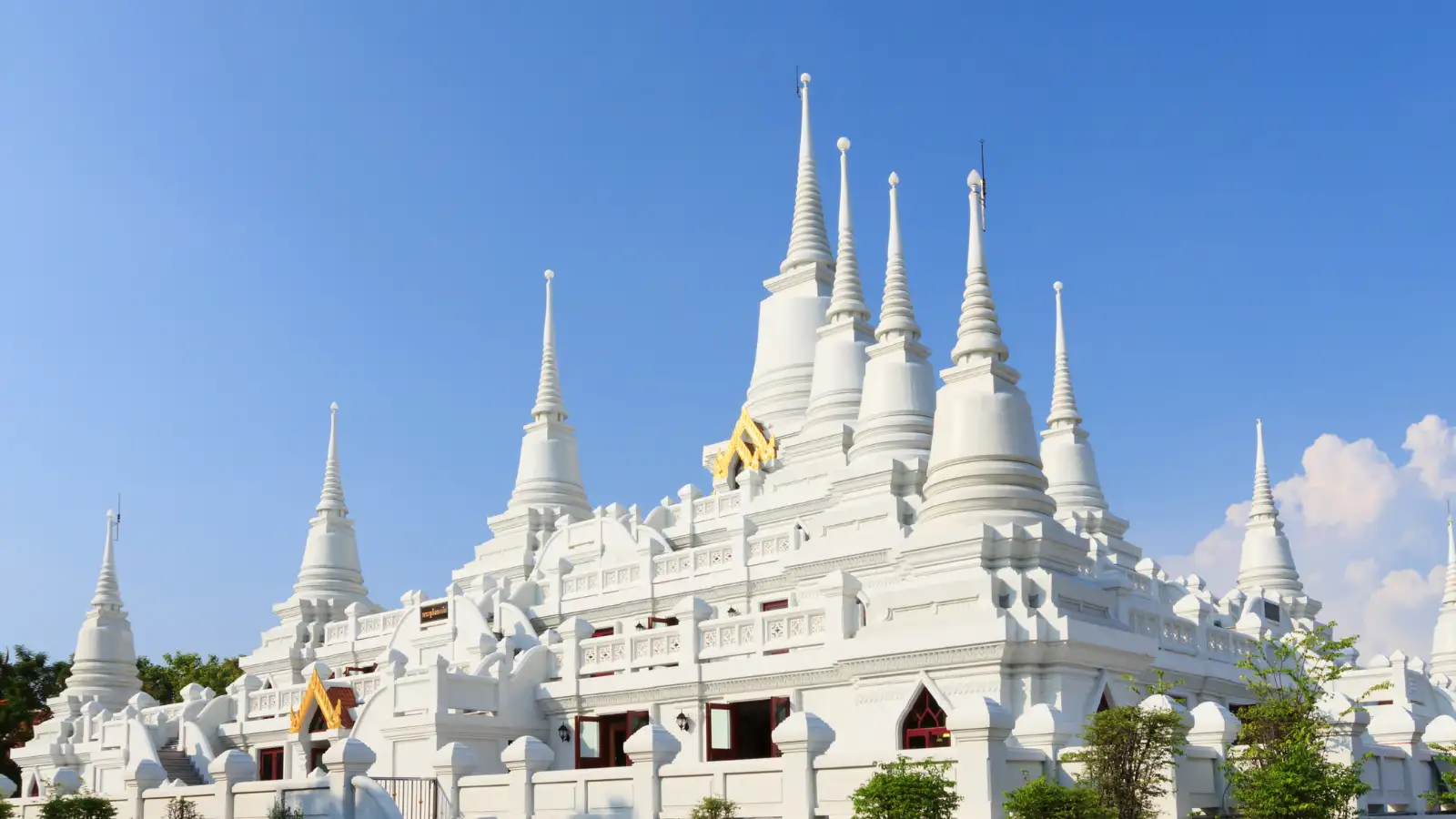
1. Angkor Wat (Siem Reap, Cambodia)
As the world’s largest religious monument, Angkor Wat stands as an absolute masterpiece of Khmer architecture. Constructed in the first half of the 12th century under King Suryavarman II, it was originally dedicated to the Hindu deity Vishnu before gradually transforming into a Buddhist sanctuary towards the end of the century.- Architectural Splendor: The complex represents Mount Meru, the sacred home of the gods in Hindu mythology. Its five central lotus-bud towers represent the peaks of the mountain, surrounded by vast outer walls and a massive moat that symbolizes the cosmic ocean.
- What Makes It Sacred: The outer gallery walls feature over 1,200 square meters of intricate bas-relief carvings depicting epic mythological scenes, including the famous Churning of the Ocean of Milk. Visiting at dawn to witness the sun rise behind its iconic central spires offers an unforgettable spiritual experience.
2. Paro Taktsang / Tiger’s Nest (Paro Valley, Bhutan)
Perched precariously on a granite cliffside 900 meters above the lush Paro Valley (and 3,120 meters above sea level), Taktsang Palphug Monastery commonly known as the Tiger’s Nest is the cultural and spiritual heart of Bhutan.You may also like
- Guru Purnima: A Reflection Of An Enduring Bond Of Knowledge, Wisdom And Trust
- Beyond the Teacher: Why Our Age Needs the Acharya
- Dubai may be a great travel destination, but what does it take to live and work here? Man shares an experience few talk about
- Chinmaya Mission Sets Guinness World Record for Largest Online Bhagwad Gita Chanting
- Over 24,000 Sanitation Workers to be Recruited in Rajasthan; Selection Without Exam
- The Sacred Legend: According to local tradition, Guru Rinpoche (Padmasambhava), who introduced Buddhism to Bhutan, flew to this cliffside on the back of a tigress in the 8th century and meditated in a cave for three months to subdue local spirits.
- The Journey: Reaching the monastery requires a scenic uphill trek through blue pine forests draped with colorful prayer flags. The continuous hum of prayer wheels, the scent of burning incense, and sweeping valley vistas create a meditative atmosphere long before you step inside the temple complex.
3. Borobudur (Magelang, Central Java, Indonesia)
Built during the reign of the Syailendra Dynasty in the 8th and 9th centuries, Borobudur is the largest Buddhist temple in the world. Abandoned for centuries following volcanic eruptions and the region's religious shifts, this stone giant lay hidden beneath layers of volcanic ash and jungle growth until its rediscovery in the 19th century.- Cosmological Design: Designed in the form of a giant lotus blossom and a stepped pyramid mandala, the structure guides pilgrims through three symbolic realms of Buddhist cosmology: Kamadhatu (the world of desire), Rupadhatu (the world of forms), and Arupadhatu (the realm of formlessness).
- Highlights: As pilgrims walk upward through circular platforms, they pass 2,672 carved relief panels detailing ancient life and Buddhist teachings, culminating at the top platform featuring 72 openwork bell-shaped stupas, each enclosing a seated Buddha statue facing out over the misty Kedu Plain.
4. Wat Rong Khun ( Thailand)
Unlike ancient temple complexes, Wat Rong Khun is a contemporary, unconventional art exhibit formatted as a Buddhist temple. Designed and privately restored by renowned Thai artist Chalermchai Kositpipat, construction began in 1997 and continues to evolve today.- Symbolic Architecture: The entire exterior is finished in brilliant white plaster inlaid with small pieces of mirrored glass, reflecting sunlight to symbolize the purity and wisdom of the Buddha.
- The Spiritual Path: To enter the main ordination hall (ubosot), visitors must cross the "Bridge of the Cycle of Rebirth," which spans a moat filled with hundreds of sculpted reaching hands representing human desire, greed, and suffering. Crossing the bridge symbolizes leaving earthly attachments behind to step into a state of enlightenment.
5. Golden Temple / Harmandir Sahib (Amritsar, India)
Surrounded by the serene Amrit Sarovar (Pool of Nectar), Sri Harmandir Sahib is the spiritual capital of Sikhism. Built in the late 16th century by Guru Arjan Dev, the temple was designed to embody universal brotherhood and equality.- Welcoming Design: The sanctuary features four entrance doors facing north, south, east, and west, symbolizing an open invitation to people of all religions, castes, and backgrounds. The main double-story marble structure is overlaid with real gold leaf work, reflecting warmly across the sacred pool.
- Living Traditions: Beyond its glowing architecture, the temple houses the Guru Ram Das Langar, one of the world's largest free community kitchens, where volunteers prepare and serve free vegetarian meals to over 100,000 visitors every single day regardless of background.
6. Fushimi Inari Taisha (Kyoto, Japan)
Sitting at the base of Mount Inari in Kyoto, Fushimi Inari Taisha is the head shrine for Inari, the Shinto spirit (kami) associated with rice, agriculture, prosperity, and business success.- The Torii Path: The shrine's most famous feature is the Senbon Torii (thousands of torii gates), a dense, winding network of over 10,000 vibrant vermilion wooden arches that form covered tunnels up the mountain trail. Each gate has been donated by individuals or businesses seeking good fortune.
- Fox Messengers: Throughout the peaceful forest grounds, stone statues of foxes (kitsune) guard the pathways, often holding a key to the rice granary in their mouths as sacred messengers of Inari.






Loving Newspoint? Download the app now
