
Why Barcelona Looks Different From Other European Cities: The Story of Catalan Modernism

Barcelona is famous for its striking architecture, where colourful facades, unusual shapes and intricate decorative details transform ordinary streets into open-air galleries. Much of this visual identity comes from Catalan Modernisme , an artistic and architectural movement that flourished in the late 19th and early 20th centuries. Inspired by nature, craftsmanship and new construction techniques, architects created buildings that challenged conventional European designs. Antoni Gaudí became its most internationally recognised figure, although several other architects also shaped the city's appearance. From elaborate mosaics to flowing stone facades, Barcelona's modernist architecture reflects a distinctive combination of artistic imagination, cultural identity and architectural innovation.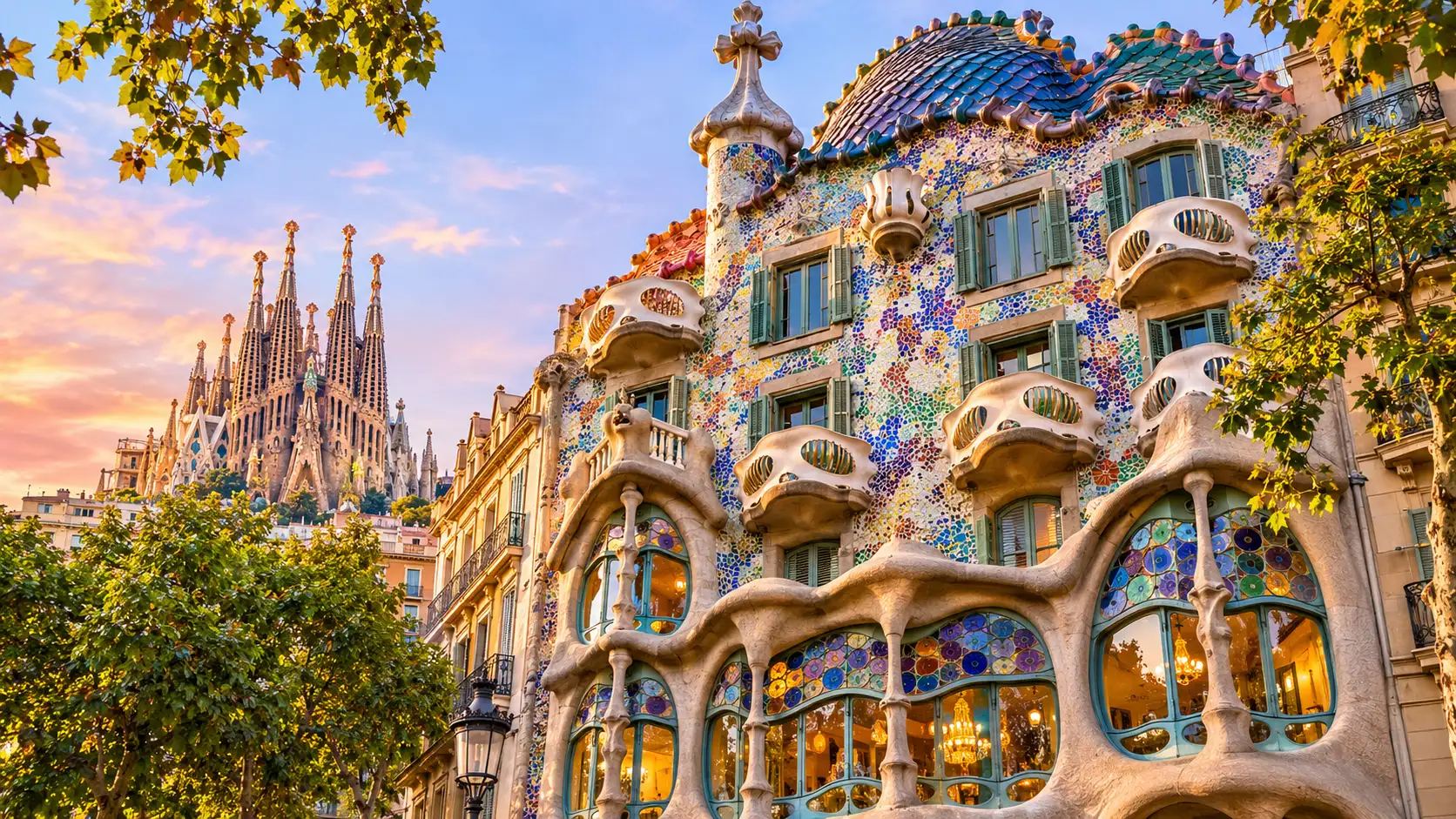
Antoni Gaudí frequently used flowing lines and irregular forms in his designs. The facade of Casa Batlló, for example, features curved balconies and colourful surfaces that give the building an almost living appearance.
Gaudí famously used this technique at Park Güell, where colourful mosaic surfaces decorate benches, sculptures and architectural elements.
The broken pieces are arranged into decorative patterns, creating textured surfaces that reflect sunlight in different ways.
These designs frequently incorporate curved lines, floral patterns and shapes inspired by nature. The combination of iron, stone, glass and ceramic decoration gives many buildings their distinctive appearance.
Architecture became one way to express this cultural confidence. Buildings incorporated local artistic traditions, craftsmanship and historical references while embracing new European design ideas.
The Palau de la Música Catalana, designed by Lluís Domènech i Montaner, is an outstanding example of this combination of cultural expression and architectural creativity.
The Palau de la Música Catalana is particularly famous for its spectacular stained-glass skylight, which forms the centrepiece of its concert hall.
These features demonstrate how glass could serve both practical and artistic purposes in modernist architecture.
Gaudí's Casa Milà, commonly known as La Pedrera, demonstrates this approach through its undulating stone facade and unusual structural design.
Its flowing exterior challenges the conventional idea of a building as a collection of flat walls and symmetrical surfaces.
Casa Amatller, designed by Josep Puig i Cadafalch, combines elements of Catalan Gothic architecture with decorative features influenced by other European styles.
Such buildings show that Modernisme was not limited to one architectural formula. Different architects developed their own interpretations of the movement.
Gaudí's Casa Batlló demonstrates this approach through its curved staircases, unusual windows, sculptural details and carefully coordinated interiors.
Rather than treating decoration as something added at the end, these architects considered the entire building an integrated work of art.
Casa Milà is a good example, with its wave-like facade, varied balconies and sculptural rooftop chimneys. Its design creates movement and visual interest from different viewpoints.
This willingness to challenge conventional architectural rules helped give Barcelona its distinctive cityscape.
The rooftop of Casa Milà is particularly famous for its sculptural chimneys and ventilation towers, which resemble abstract figures and unusual stone sculptures.
These structures combine practical functions with imaginative design, demonstrating how even the uppermost parts of a building became opportunities for artistic expression.
1. Organic Shapes Inspired by Nature
One of the most recognisable features of Barcelona's modernist architecture is its use of organic shapes. Instead of relying entirely on straight lines and rigid geometric forms, architects incorporated curves inspired by plants, animals, bones and natural landscapes.Antoni Gaudí frequently used flowing lines and irregular forms in his designs. The facade of Casa Batlló, for example, features curved balconies and colourful surfaces that give the building an almost living appearance.
2. Colourful Trencadís Mosaic Work
Colour plays an important role in Catalan Modernisme. One particularly distinctive technique is trencadís, a type of mosaic created using irregular fragments of ceramic tiles, glass and other materials.Gaudí famously used this technique at Park Güell, where colourful mosaic surfaces decorate benches, sculptures and architectural elements.
The broken pieces are arranged into decorative patterns, creating textured surfaces that reflect sunlight in different ways.
3. Intricate Ironwork and Decorative Details
Barcelona's modernist buildings often feature elaborate metalwork. Wrought-iron balconies, gates, railings and window details are treated as important artistic elements rather than simple functional additions.These designs frequently incorporate curved lines, floral patterns and shapes inspired by nature. The combination of iron, stone, glass and ceramic decoration gives many buildings their distinctive appearance.
4. The Influence of Catalan Culture
Catalan Modernisme was closely connected with the cultural revival known as the Renaixença, which encouraged renewed interest in Catalan language, literature and identity.Architecture became one way to express this cultural confidence. Buildings incorporated local artistic traditions, craftsmanship and historical references while embracing new European design ideas.
The Palau de la Música Catalana, designed by Lluís Domènech i Montaner, is an outstanding example of this combination of cultural expression and architectural creativity.
5. Stained Glass and Natural Lighting
Modernist architects paid considerable attention to how natural light entered their buildings. Large windows, decorative glass panels and colourful skylights helped create changing patterns of light throughout the day.The Palau de la Música Catalana is particularly famous for its spectacular stained-glass skylight, which forms the centrepiece of its concert hall.
These features demonstrate how glass could serve both practical and artistic purposes in modernist architecture.
6. Innovative Use of Building Materials
Catalan Modernisme combined traditional materials with innovative construction techniques. Architects experimented with stone, brick, iron, ceramics, glass and reinforced concrete.Gaudí's Casa Milà, commonly known as La Pedrera, demonstrates this approach through its undulating stone facade and unusual structural design.
Its flowing exterior challenges the conventional idea of a building as a collection of flat walls and symmetrical surfaces.
7. Decorative Facades That Tell a Story
Many Barcelona buildings feature facades that are rich in symbolic and decorative details. Sculptures, ceramic panels, floral motifs and carved stonework often reflect historical references, mythology or the interests of their owners.Casa Amatller, designed by Josep Puig i Cadafalch, combines elements of Catalan Gothic architecture with decorative features influenced by other European styles.
Such buildings show that Modernisme was not limited to one architectural formula. Different architects developed their own interpretations of the movement.
8. Buildings Designed as Complete Artistic Experiences
Another distinctive feature of Catalan Modernisme is the attention given to interior spaces. Architects often designed furniture, lighting, staircases, doors and decorative fittings to complement the overall building.Gaudí's Casa Batlló demonstrates this approach through its curved staircases, unusual windows, sculptural details and carefully coordinated interiors.
Rather than treating decoration as something added at the end, these architects considered the entire building an integrated work of art.
9. Asymmetry and Unconventional Building Designs
Unlike many classical European buildings that emphasise symmetry and balanced proportions, modernist architecture often experiments with irregular forms.You may also like
- Game-Changing Blood Test Breakthrough: How Tiny Blood Platelets Could Detect Parkinson's Early
- The Hidden Poisons in Your Festive Mithai and Red-Flag Symptoms You Cannot Ignore
- Of Anger, Protest and Change
- 5 Beautiful Flower Rangoli Designs To Decorate Your Home This Diwali 2026
- From Maharashtra To Goa: Discover India's Most Interesting Diwali Traditions
Casa Milà is a good example, with its wave-like facade, varied balconies and sculptural rooftop chimneys. Its design creates movement and visual interest from different viewpoints.
This willingness to challenge conventional architectural rules helped give Barcelona its distinctive cityscape.
10. Rooftops That Become Architectural Attractions
In many traditional buildings, rooftops are primarily functional spaces. Barcelona's modernist architects often transformed them into important design features.The rooftop of Casa Milà is particularly famous for its sculptural chimneys and ventilation towers, which resemble abstract figures and unusual stone sculptures.
These structures combine practical functions with imaginative design, demonstrating how even the uppermost parts of a building became opportunities for artistic expression.
Famous Places to Explore Barcelona's Modernist Architecture
If you want to experience Catalan Modernisme, several landmarks offer an excellent introduction:- Sagrada Família: Antoni Gaudí's extraordinary basilica, known for its sculptural facades, intricate symbolism and towering structures.
- Park Güell: A public park featuring colourful mosaics, organic forms and imaginative architectural elements.
- Casa Batlló: Famous for its curved facade, colourful ceramic details and nature-inspired interiors.
- Casa Milà: Recognised for its undulating stone exterior and distinctive rooftop.
- Palau de la Música Catalana: Designed by Lluís Domènech i Montaner, this concert hall is celebrated for its stained glass and elaborate decorative craftsmanship.
- Casa Amatller: A distinctive building designed by Josep Puig i Cadafalch, combining historic influences with Modernisme.






Loving Newspoint? Download the app now
