
Bathroom vs Washroom vs Restroom: What's the Difference? A Complete Guide to Using the Right Term

Bathroom vs washroom vs restroom is a common source of confusion, especially when travelling or communicating with people from different English-speaking countries. Although these words are often used interchangeably, they don't always describe the same type of facility. The difference lies in where the space is located, what amenities it offers, and the regional language preferences. Knowing the correct term can help you communicate more accurately in everyday conversations, while travelling, or even when planning a home or commercial space.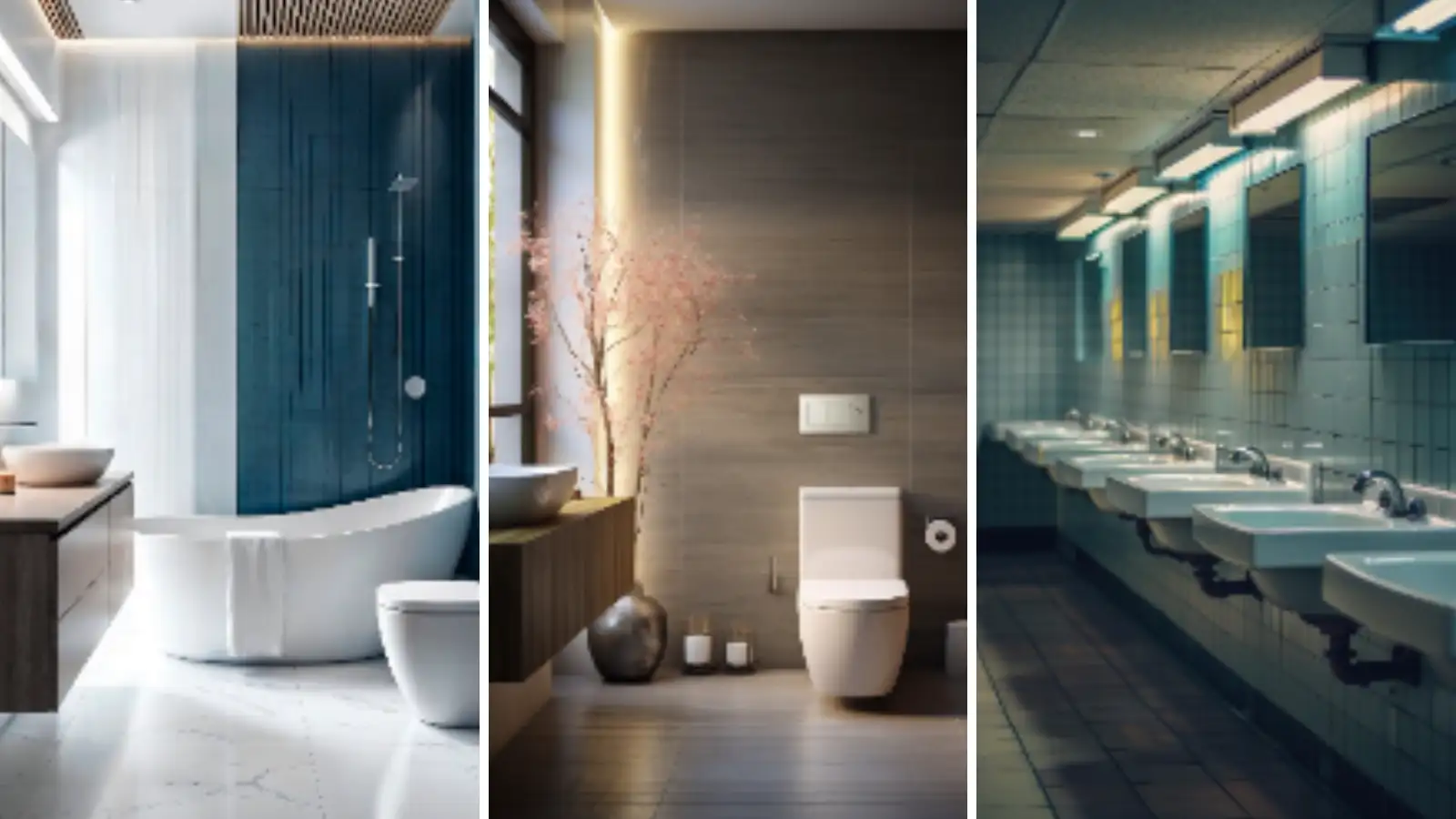
What is the difference between a bathroom, washroom and restroom?
While all three spaces are associated with personal hygiene, each has a distinct purpose and setting.
Bathroom: A private space for personal hygiene
A bathroom is typically found inside homes, apartments and hotel rooms. It is designed for personal hygiene and usually includes facilities for bathing, making it more than just a toilet area.
Common features of a bathroom include:
Bathrooms are intended for private use and often prioritise comfort, convenience and aesthetics.
Washroom: A practical facility for public and commercial spaces
A washroom generally refers to a shared facility found in offices, shopping centres, schools, restaurants and other public buildings. Unlike a bathroom, it is not designed for bathing.
A typical washroom usually contains:
The term "washroom" is especially common in Canada and is also widely used in the UK and several Commonwealth countries.
Restroom: The American term for public toilet facilities
In the United States, the word "restroom" is the preferred way to refer to public toilet facilities. Despite its name, a restroom is not meant for resting - it simply offers a polite way to describe a public toilet.
Restrooms are commonly found in:
Their primary purpose is to provide clean and accessible toilet and handwashing facilities for the public.
Bathroom vs Washroom vs Restroom: Key differences at a glance
1. Location
Bathroom: Mostly found in homes, apartments and hotel rooms.
Washroom: Common in offices, schools, malls and commercial buildings.
Restroom: Public facilities, particularly in the United States.
2. Primary purpose
Bathroom: Bathing, grooming and personal hygiene.
Washroom: Toilet use and handwashing.
Restroom: Public toilet and hygiene facilities.
3. Fixtures available
Bathrooms usually include:
Washrooms and restrooms generally feature:
4. Bathing facilities
This is one of the biggest distinctions.
5. Regional language differences
The preferred terminology changes depending on where you are.
How design priorities differ
Each type of facility is built with different users and purposes in mind.
Bathrooms
Bathrooms are designed to provide comfort, privacy and a pleasant atmosphere. Homeowners often choose stylish fittings, decorative tiles and premium fixtures to create a relaxing space.
Washrooms
Washrooms focus on durability and hygiene. Since they experience frequent use, they are built with easy-to-maintain materials that can withstand heavy daily traffic.
Restrooms
Restrooms prioritise accessibility, convenience and efficient movement of large numbers of users. Public buildings often include accessible facilities to accommodate everyone comfortably.
Who uses these facilities?
The intended users also vary.
Why knowing the difference matters
Although bathroom, washroom and restroom are often used interchangeably in casual conversation, choosing the right word can make communication clearer. The correct term depends on the facility's location, purpose and the region where you're speaking.
A bathroom refers to a private space equipped for bathing and personal care, while washrooms and restrooms mainly provide toilet and handwashing facilities in public or commercial settings. Understanding these distinctions can help you avoid confusion whether you're travelling abroad, discussing building layouts or simply asking for directions in different English-speaking countries.
What is the difference between a bathroom, washroom and restroom?
While all three spaces are associated with personal hygiene, each has a distinct purpose and setting.
Bathroom: A private space for personal hygiene
A bathroom is typically found inside homes, apartments and hotel rooms. It is designed for personal hygiene and usually includes facilities for bathing, making it more than just a toilet area.
Common features of a bathroom include:
- Bathtub or shower
- Toilet
- Washbasin or sink
- Mirror and storage cabinets
Bathrooms are intended for private use and often prioritise comfort, convenience and aesthetics.
Washroom: A practical facility for public and commercial spaces
A washroom generally refers to a shared facility found in offices, shopping centres, schools, restaurants and other public buildings. Unlike a bathroom, it is not designed for bathing.
A typical washroom usually contains:
- Toilets
- Washbasins
- Hand dryers or paper towel dispensers
- Urinals (in many men's washrooms)
The term "washroom" is especially common in Canada and is also widely used in the UK and several Commonwealth countries.
Restroom: The American term for public toilet facilities
In the United States, the word "restroom" is the preferred way to refer to public toilet facilities. Despite its name, a restroom is not meant for resting - it simply offers a polite way to describe a public toilet.
Restrooms are commonly found in:
- Airports
- Shopping malls
- Hotels
- Restaurants
- Office buildings
- Entertainment venues
Their primary purpose is to provide clean and accessible toilet and handwashing facilities for the public.
Bathroom vs Washroom vs Restroom: Key differences at a glance
1. Location
Bathroom: Mostly found in homes, apartments and hotel rooms.
Washroom: Common in offices, schools, malls and commercial buildings.
Restroom: Public facilities, particularly in the United States.
2. Primary purpose
Bathroom: Bathing, grooming and personal hygiene.
Washroom: Toilet use and handwashing.
Restroom: Public toilet and hygiene facilities.
3. Fixtures available
Bathrooms usually include:
You may also like
- Quote of the Day by Friedrich Nietzsche "What makes unhappy marriages? It is not the lack of love but the absence of...."
- Meet Viren Sharma, the Jaipur man making indie pups a status symbol
- Which Country Eats the Most Ice Cream? Top 10 Nations with the Highest Ice Cream Consumption
- Honey Benefits in Food: 5 Traditional Indian Foods That Taste Better with Honey
- Safe Skincare Routine: 7 Essential Oil Tips for Healthy, Glowing Skin
- Bathtub or shower
- Toilet
- Sink
Washrooms and restrooms generally feature:
- Toilets
- Sinks
- Cubicles
- Urinals (where applicable)
4. Bathing facilities
This is one of the biggest distinctions.
- Bathrooms almost always include a shower, bathtub or both.
- Washrooms and restrooms rarely have bathing facilities because they are designed for short visits.
5. Regional language differences
The preferred terminology changes depending on where you are.
- Bathroom: Common in homes across most English-speaking countries.
- Washroom: Frequently used in Canada and the UK for public facilities.
- Restroom: Standard American English term for public toilet facilities.
How design priorities differ
Each type of facility is built with different users and purposes in mind.
Bathrooms
Bathrooms are designed to provide comfort, privacy and a pleasant atmosphere. Homeowners often choose stylish fittings, decorative tiles and premium fixtures to create a relaxing space.
Washrooms
Washrooms focus on durability and hygiene. Since they experience frequent use, they are built with easy-to-maintain materials that can withstand heavy daily traffic.
Restrooms
Restrooms prioritise accessibility, convenience and efficient movement of large numbers of users. Public buildings often include accessible facilities to accommodate everyone comfortably.
Who uses these facilities?
The intended users also vary.
- Bathrooms: Family members, residents and hotel guests.
- Washrooms: Employees, students, shoppers and visitors.
- Restrooms: Members of the general public in high-traffic locations.
Why knowing the difference matters
Although bathroom, washroom and restroom are often used interchangeably in casual conversation, choosing the right word can make communication clearer. The correct term depends on the facility's location, purpose and the region where you're speaking.
A bathroom refers to a private space equipped for bathing and personal care, while washrooms and restrooms mainly provide toilet and handwashing facilities in public or commercial settings. Understanding these distinctions can help you avoid confusion whether you're travelling abroad, discussing building layouts or simply asking for directions in different English-speaking countries.






Loving Newspoint? Download the app now
