
Native Plants Can Make Your Garden More Resilient and Eco-Friendly

Creating a beautiful garden does not have to come at the expense of the environment. One of the simplest ways to make gardening more sustainable is by choosing native plants . These are species that naturally occur in a particular region and have adapted to the local climate, soil, and wildlife over thousands of years. From reducing maintenance needs to supporting biodiversity, native plants offer several benefits that make them an excellent choice for eco-friendly gardens.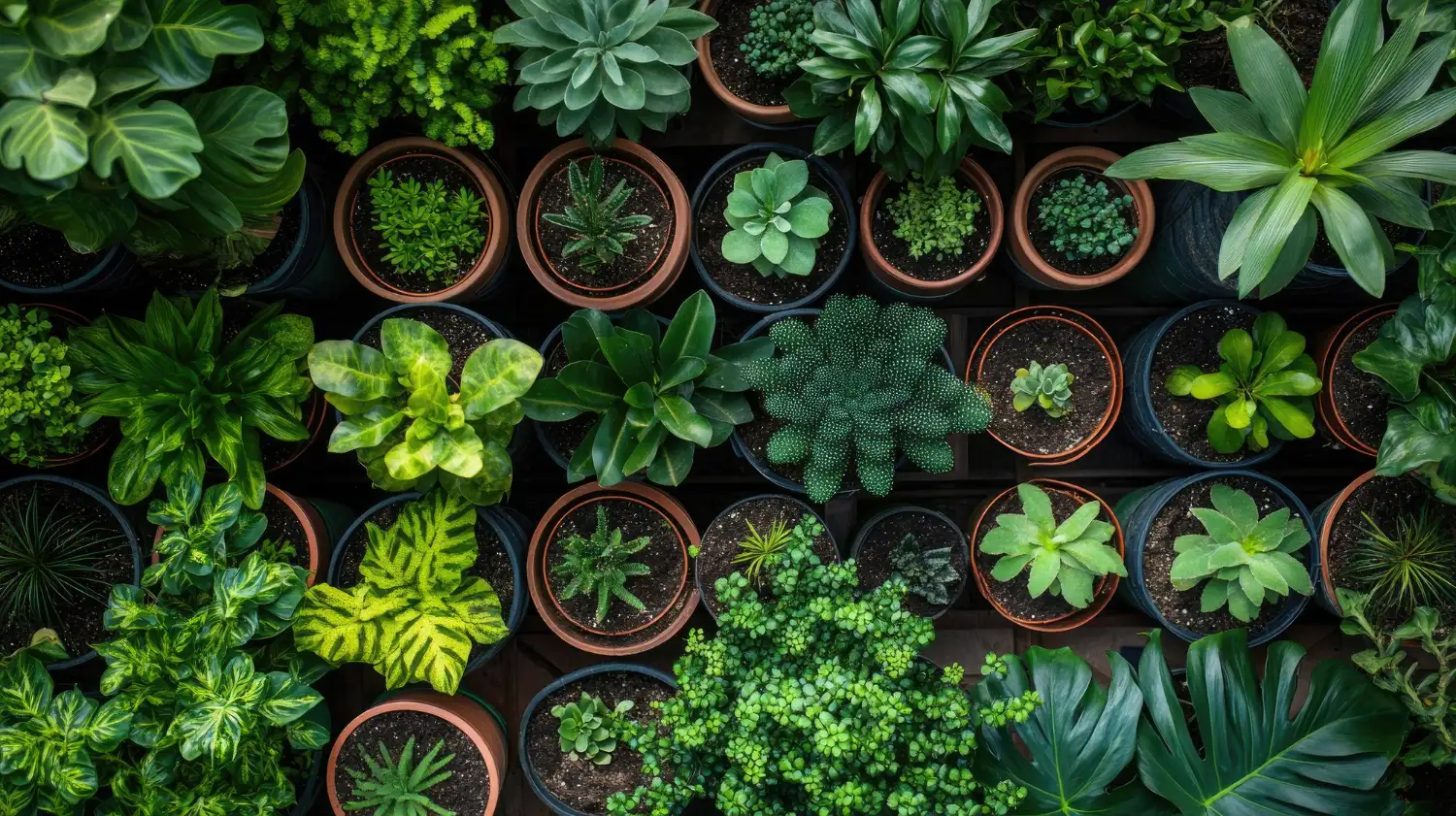
Require Less Water
Since native plants are adapted to local rainfall patterns and climate conditions, they generally need less supplemental watering once established. This can help conserve water, especially in areas that experience seasonal droughts or water restrictions. Lower water use also means reduced gardening costs over time.
Need Fewer Fertilizers
Native species are naturally suited to local soil conditions. Unlike some non-native ornamental plants, they often thrive without heavy applications of fertilizers. Reducing fertilizer use helps prevent nutrient runoff into nearby waterways and supports healthier ecosystems.
Support Local Wildlife
Native plants provide food, shelter, and breeding habitats for local wildlife. Many birds, butterflies, bees, and other pollinators depend on native plant species for survival. By planting native varieties, gardeners can help sustain important pollinator populations and encourage greater biodiversity.
Lower Maintenance Requirements
Because native plants are already adapted to local growing conditions, they typically require less pruning, pest control, and overall care than exotic species. This makes gardening easier while reducing the need for chemical treatments and extensive upkeep.
Improve Soil Health
The root systems of many native plants help stabilize soil and reduce erosion. Deep-rooted native grasses and perennials can also improve soil structure, increase water infiltration, and support beneficial microorganisms that contribute to long-term soil health.
Reduce the Risk of Invasive Species
Some non-native plants can spread aggressively and disrupt local ecosystems. Native plants, on the other hand, are part of the natural ecological balance. Choosing them helps reduce the risk of introducing species that may outcompete local vegetation and harm biodiversity.
Better Adaptation to Local Climate
Native plants have evolved to withstand local weather conditions, including temperature fluctuations, seasonal rainfall patterns, and regional pests. This resilience often allows them to survive and thrive with fewer resources than plants brought in from different environments.
Enhance Biodiversity
A garden filled with native plants creates a small but valuable habitat for various species. Increased biodiversity can improve ecosystem stability and make gardens more resilient to environmental changes, pests, and diseases.
Help Reduce Chemical Use
Because native plants are generally well adapted to their environment, they often face fewer stress-related problems. This can reduce the need for pesticides and other chemical treatments, benefiting both the garden and the surrounding environment.
Create a More Sustainable Future
Sustainable gardening is about working with nature rather than against it. Native plants help conserve water, support wildlife, improve soil health, and reduce resource consumption. By incorporating more native species into gardens, homeowners can create attractive outdoor spaces that contribute positively to local ecosystems.
Native plants are a smart choice for anyone looking to build a sustainable garden. Their ability to thrive in local conditions while supporting wildlife and reducing resource use makes them both environmentally responsible and practical. Whether you have a large backyard or a small urban garden, adding native plants is a meaningful step toward greener and more sustainable gardening.
What Are Native Plants?
Native plants are species that grow naturally in a specific area without human introduction. They have evolved alongside local insects, birds, and animals, forming balanced ecosystems. Examples vary by region, so a plant considered native in one country or state may not be native elsewhere.Require Less Water
Since native plants are adapted to local rainfall patterns and climate conditions, they generally need less supplemental watering once established. This can help conserve water, especially in areas that experience seasonal droughts or water restrictions. Lower water use also means reduced gardening costs over time.Need Fewer Fertilizers
Native species are naturally suited to local soil conditions. Unlike some non-native ornamental plants, they often thrive without heavy applications of fertilizers. Reducing fertilizer use helps prevent nutrient runoff into nearby waterways and supports healthier ecosystems. Support Local Wildlife
Native plants provide food, shelter, and breeding habitats for local wildlife. Many birds, butterflies, bees, and other pollinators depend on native plant species for survival. By planting native varieties, gardeners can help sustain important pollinator populations and encourage greater biodiversity.You may also like
- Before buying solar panels, find out which lasts longer: Thin-Film or Monocrystalline.
- CBSE Re-evaluation Turns the Tide: Jharkhand Students Top Nationally Across Streams
- CUET UG Results 2026: NTA Releases CUET UG 2026 Exam Results; Direct Link to Download Scorecard Here
- FASTag not working at the toll plaza? Know the NHAI rules; your vehicle could pass through for free
- West African proverb of the day: "If you want to improve your memory, lend someone money" - a sharp and witty lesson on human nature and what we choose to remember
Lower Maintenance Requirements
Because native plants are already adapted to local growing conditions, they typically require less pruning, pest control, and overall care than exotic species. This makes gardening easier while reducing the need for chemical treatments and extensive upkeep. Improve Soil Health
The root systems of many native plants help stabilize soil and reduce erosion. Deep-rooted native grasses and perennials can also improve soil structure, increase water infiltration, and support beneficial microorganisms that contribute to long-term soil health. Reduce the Risk of Invasive Species
Some non-native plants can spread aggressively and disrupt local ecosystems. Native plants, on the other hand, are part of the natural ecological balance. Choosing them helps reduce the risk of introducing species that may outcompete local vegetation and harm biodiversity. Better Adaptation to Local Climate
Native plants have evolved to withstand local weather conditions, including temperature fluctuations, seasonal rainfall patterns, and regional pests. This resilience often allows them to survive and thrive with fewer resources than plants brought in from different environments.Enhance Biodiversity
A garden filled with native plants creates a small but valuable habitat for various species. Increased biodiversity can improve ecosystem stability and make gardens more resilient to environmental changes, pests, and diseases. Help Reduce Chemical Use
Because native plants are generally well adapted to their environment, they often face fewer stress-related problems. This can reduce the need for pesticides and other chemical treatments, benefiting both the garden and the surrounding environment. Create a More Sustainable Future
Sustainable gardening is about working with nature rather than against it. Native plants help conserve water, support wildlife, improve soil health, and reduce resource consumption. By incorporating more native species into gardens, homeowners can create attractive outdoor spaces that contribute positively to local ecosystems. Native plants are a smart choice for anyone looking to build a sustainable garden. Their ability to thrive in local conditions while supporting wildlife and reducing resource use makes them both environmentally responsible and practical. Whether you have a large backyard or a small urban garden, adding native plants is a meaningful step toward greener and more sustainable gardening.






More from our partners


Loving Newspoint? Download the app now
