
Why Bengal's Classic Chingri Malai Curry Earned a Top Spot on a Prestigious Global Food List

Every single time an international travel or food guide releases a new global ranking, there is a very high probability that an Indian regional specialty will make the final cut. Indian cuisine continues to gain a massive number of passionate fans across the world who appreciate the deep complexity of its traditional spice combinations. However, the excitement feels incredibly special when the recognition goes beyond the standard, globally familiar crowd-pleasers and shines a light on unique regional gems that local communities have cherished deeply for centuries. This time, the global spotlight is shining directly on the rich coastal heritage of West Bengal.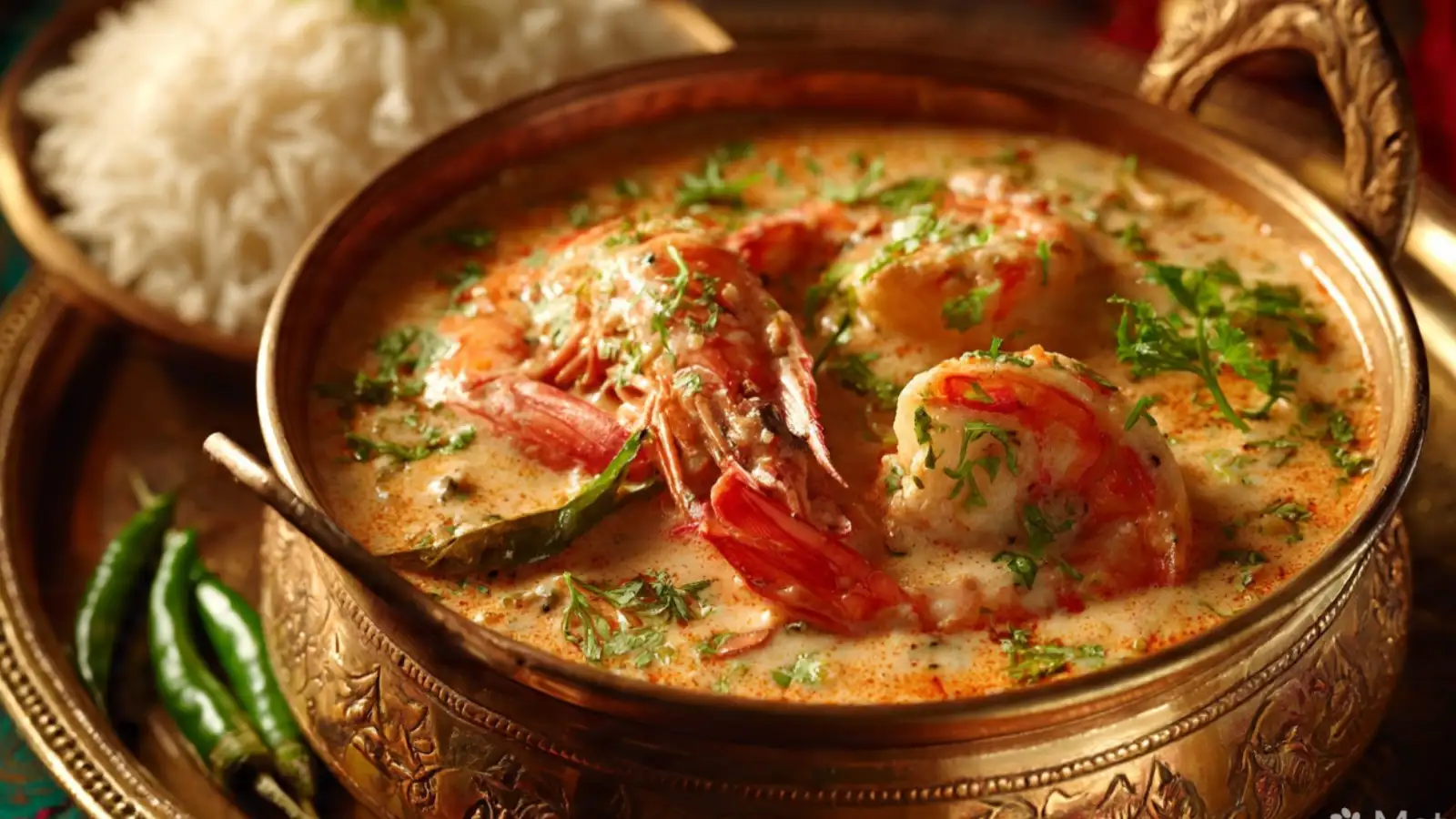
The experiential food and travel guide TasteAtlas recently published its highly anticipated global list of the world's "Best Shrimp and Prawn Dishes," evaluating over 80 iconic preparations from different continents. Bengal’s legendary Chingri Malai Curry performed exceptionally well, successfully clinching the number 11 spot on the worldwide chart. Not only did it receive high praise from international food critics, but it also achieved the distinct honor of being the absolute only Indian seafood preparation to secure a place on this specific global compilation.
In West Bengal, non-vegetarian preparations particularly fish and freshwater seafood - serve as an essential daily staple in nearly every household. Yet, among the vast array of traditional delicacies that grace local dining tables, very few dishes enjoy the kind of elite, undisputed star status that belongs to Chingri Malai Curry.
While the sheer popularity of this prawn curry is undeniable, food historians and culinary experts have spent decades debating the exact historical roots of how the dish originally came into existence. One prominent theory points directly to ancient maritime trade routes connecting the Bay of Bengal with Southeast Asia. According to popular local folklore, the word "malai" did not originally refer to dairy cream, but was instead a direct evolution of the word "Malay".
Proponents of this theory believe the dish was heavily influenced by Malaysian sailors and traders who brought their distinct coconut-based cooking styles to Indian ports centuries ago.
However, modern culinary researchers suggest a much more local, nuanced explanation. They note that while Southeast Asian curries rely heavily on distinct regional ingredients like lemongrass and galangal, the Bengali version completely ignores these items. Instead, it uses a spice profile firmly rooted in local traditions.
Colonial-era Bengali cookbooks explicitly classify the dish as a native creation rather than an imported luxury, suggesting that the legendary "creaminess" of the dish simply stems from the natural abundance of coconuts along the Indian coast rather than direct foreign adoption.
The TasteAtlas global ranking highlights how beautifully diverse international seafood preparation can be. Standing alongside Bengal's pride in the top tiers of the list were other global culinary giants. These included Spain's famous Gambas al Ajillo a beloved tapas dish consisting of tender shrimp cooked thoroughly in garlic-infused olive oil as well as Brazil's legendary Bobo de Camarao, a highly celebrated regional specialty featuring fresh shrimp simmered in a rich puree of cassava and sweet coconut milk.
By earning its place alongside these iconic international masterpieces, Chingri Malai Curry has proven that traditional regional recipes possess a timeless, universal appeal that can easily captivate food lovers all across the globe.
The experiential food and travel guide TasteAtlas recently published its highly anticipated global list of the world's "Best Shrimp and Prawn Dishes," evaluating over 80 iconic preparations from different continents. Bengal’s legendary Chingri Malai Curry performed exceptionally well, successfully clinching the number 11 spot on the worldwide chart. Not only did it receive high praise from international food critics, but it also achieved the distinct honor of being the absolute only Indian seafood preparation to secure a place on this specific global compilation.
The Secrets Behind the Star Status
In West Bengal, non-vegetarian preparations particularly fish and freshwater seafood - serve as an essential daily staple in nearly every household. Yet, among the vast array of traditional delicacies that grace local dining tables, very few dishes enjoy the kind of elite, undisputed star status that belongs to Chingri Malai Curry.
You may also like
- Bhimashankar Jyotirlinga: The wait is over! The doors of Bhimashankar Jyotirlinga will open from June 15; find out how to visit..
- Green Vacation Guide: 7 Smart Ways to Travel Without Harming the Environment..
- Enhancing Children's Skills During Summer Vacation
- Navigating Career Choices After Class 12: A Comprehensive Guide
- Does your child say 'I have a tummy ache' before school? Experts say it may actually be a deeper signal towards something else
- The Perfect Flavor Balance: The dish features freshwater jumbo prawns simmered gently inside a thick, luxurious gravy made from fresh coconut milk. This preparation is meticulously balanced with mild spices, aromatics, garam masala, and pungent mustard oil, striking a delicate harmony between sweet, savory, and mildly spicy tones.
- A Symbol of Festivity: Because of its rich texture and elegant appearance, it is treated as a premium celebratory dish. It acts as a mandatory centerpiece during high-profile events such as traditional Bengali weddings, the festive celebrations of the Bengali New Year (Pohela Boishakh), and special family weekend brunches.
The Great Culinary Origin Debate
While the sheer popularity of this prawn curry is undeniable, food historians and culinary experts have spent decades debating the exact historical roots of how the dish originally came into existence. One prominent theory points directly to ancient maritime trade routes connecting the Bay of Bengal with Southeast Asia. According to popular local folklore, the word "malai" did not originally refer to dairy cream, but was instead a direct evolution of the word "Malay".
Proponents of this theory believe the dish was heavily influenced by Malaysian sailors and traders who brought their distinct coconut-based cooking styles to Indian ports centuries ago.
However, modern culinary researchers suggest a much more local, nuanced explanation. They note that while Southeast Asian curries rely heavily on distinct regional ingredients like lemongrass and galangal, the Bengali version completely ignores these items. Instead, it uses a spice profile firmly rooted in local traditions.
Colonial-era Bengali cookbooks explicitly classify the dish as a native creation rather than an imported luxury, suggesting that the legendary "creaminess" of the dish simply stems from the natural abundance of coconuts along the Indian coast rather than direct foreign adoption.
Competing on the International Stage
The TasteAtlas global ranking highlights how beautifully diverse international seafood preparation can be. Standing alongside Bengal's pride in the top tiers of the list were other global culinary giants. These included Spain's famous Gambas al Ajillo a beloved tapas dish consisting of tender shrimp cooked thoroughly in garlic-infused olive oil as well as Brazil's legendary Bobo de Camarao, a highly celebrated regional specialty featuring fresh shrimp simmered in a rich puree of cassava and sweet coconut milk.
By earning its place alongside these iconic international masterpieces, Chingri Malai Curry has proven that traditional regional recipes possess a timeless, universal appeal that can easily captivate food lovers all across the globe.






More from our partners


Loving Newspoint? Download the app now
