
Natural Foods That Help Keep Inflammation Under Control

Inflammation is the body's natural response to injury or infection, helping it heal and protect itself. However, when inflammation becomes chronic, it can increase the risk of conditions such as heart disease, diabetes, arthritis, and certain digestive disorders. The good news is that your daily diet can play an important role in keeping inflammation under control.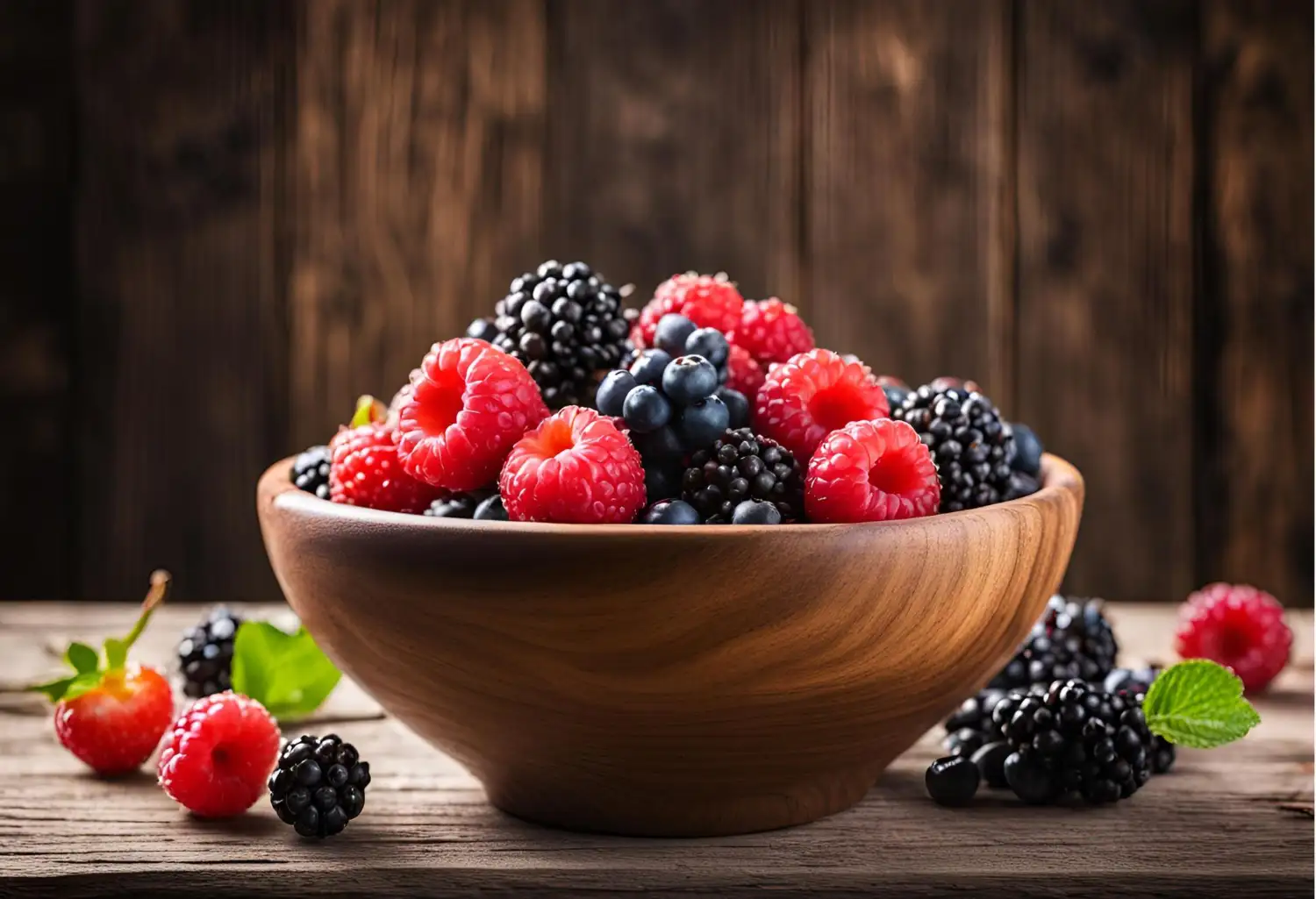
Here are some everyday foods that are packed with nutrients and natural compounds known to help reduce inflammation and support overall health.
Fatty Fish
Fatty fish such as salmon, sardines, mackerel, and trout are among the best sources of omega-3 fatty acids. These healthy fats help reduce inflammatory markers in the body and support heart and brain health. Aim to include fatty fish in your meals at least twice a week for maximum benefits.
Leafy Green Vegetables
Spinach, kale, fenugreek leaves, mustard greens, and amaranth leaves are rich in vitamins, minerals, antioxidants, and fibre. They contain compounds that help fight oxidative stress, which is closely linked to inflammation. Adding leafy greens to salads, soups, curries, or smoothies is an easy way to boost your nutrient intake.
Berries
Blueberries, strawberries, raspberries, and blackberries are loaded with antioxidants called anthocyanins. These natural plant compounds help protect cells from damage and reduce inflammation. Fresh or frozen berries make a healthy snack or a delicious topping for yogurt and oatmeal.
Turmeric
Turmeric is a popular spice known for its active compound, curcumin, which has strong anti-inflammatory properties. Adding turmeric to curries, soups, rice dishes, or warm milk can be beneficial. Pairing it with black pepper improves the body's ability to absorb curcumin.
Ginger
Ginger has been used in traditional medicine for centuries to relieve inflammation and digestive discomfort. It contains natural compounds called gingerols that may help reduce inflammation and muscle soreness. Enjoy ginger in tea, stir-fries, soups, or fresh juices.
Nuts and Seeds
Almonds, walnuts, flaxseeds, chia seeds, and pumpkin seeds provide healthy fats, fibre, protein, and antioxidants. Walnuts and flaxseeds are particularly rich in omega-3 fatty acids, while other nuts contain vitamin E, which helps protect cells from inflammation.
Olive Oil
Extra virgin olive oil is a key part of the Mediterranean diet and contains healthy monounsaturated fats along with antioxidants. It also contains oleocanthal, a natural compound that may reduce inflammation in a way similar to certain anti-inflammatory medications. Use it as a salad dressing or drizzle it over cooked vegetables.
Whole Grains
Whole grains such as oats, brown rice, quinoa, barley, and whole wheat contain fibre that supports a healthy gut. A balanced gut microbiome plays an important role in controlling inflammation throughout the body. Replace refined grains with whole-grain options whenever possible.
Green Tea
Green tea contains antioxidants called catechins, especially EGCG, which have been linked to reduced inflammation and improved overall health. Drinking one or two cups of unsweetened green tea daily may offer long-term health benefits.
Garlic and Onions
Garlic and onions contain sulfur compounds and antioxidants that may help lower inflammation and support immune function. Including them regularly in home-cooked meals is an easy way to add flavour while supporting your health.
Fruits Rich in Vitamin C
Oranges, guavas, kiwi, lemons, and amla are excellent sources of vitamin C. This powerful antioxidant helps protect the body's cells from damage caused by free radicals and supports a healthy immune system.
Yogurt and Fermented Foods
Yogurt with live cultures, kefir, idli, dosa made from fermented batter, and other fermented foods provide beneficial probiotics that support gut health. Since the gut plays a major role in immune function, maintaining a healthy gut can help reduce inflammation.
Dark Chocolate
Dark chocolate containing at least 70% cocoa is rich in flavonoids, which have antioxidant and anti-inflammatory properties. Enjoy it in moderation, as many chocolate products are high in added sugar.
Simple Tips to Build an Anti-Inflammatory Diet
Reducing inflammation doesn't require expensive supplements or complicated diets. By including nutrient-rich foods such as leafy greens, berries, fatty fish, whole grains, turmeric, ginger, nuts, and fermented foods in your daily meals, you can support your body's natural defence system and improve your long-term health. Small, consistent changes to your everyday diet can make a meaningful difference over time.
Here are some everyday foods that are packed with nutrients and natural compounds known to help reduce inflammation and support overall health.
Fatty Fish
Fatty fish such as salmon, sardines, mackerel, and trout are among the best sources of omega-3 fatty acids. These healthy fats help reduce inflammatory markers in the body and support heart and brain health. Aim to include fatty fish in your meals at least twice a week for maximum benefits.Leafy Green Vegetables
Spinach, kale, fenugreek leaves, mustard greens, and amaranth leaves are rich in vitamins, minerals, antioxidants, and fibre. They contain compounds that help fight oxidative stress, which is closely linked to inflammation. Adding leafy greens to salads, soups, curries, or smoothies is an easy way to boost your nutrient intake. Berries
Blueberries, strawberries, raspberries, and blackberries are loaded with antioxidants called anthocyanins. These natural plant compounds help protect cells from damage and reduce inflammation. Fresh or frozen berries make a healthy snack or a delicious topping for yogurt and oatmeal.Tomatoes
Tomatoes are rich in vitamin C, potassium, and lycopene, a powerful antioxidant that may help lower inflammation. Cooking tomatoes with a small amount of healthy oil, such as olive oil, can improve lycopene absorption and enhance its health benefits.Turmeric
Turmeric is a popular spice known for its active compound, curcumin, which has strong anti-inflammatory properties. Adding turmeric to curries, soups, rice dishes, or warm milk can be beneficial. Pairing it with black pepper improves the body's ability to absorb curcumin. Ginger
Ginger has been used in traditional medicine for centuries to relieve inflammation and digestive discomfort. It contains natural compounds called gingerols that may help reduce inflammation and muscle soreness. Enjoy ginger in tea, stir-fries, soups, or fresh juices. Nuts and Seeds
Almonds, walnuts, flaxseeds, chia seeds, and pumpkin seeds provide healthy fats, fibre, protein, and antioxidants. Walnuts and flaxseeds are particularly rich in omega-3 fatty acids, while other nuts contain vitamin E, which helps protect cells from inflammation.You may also like
- How Yog Helps Emotional Healing
- Jennifer Lawrence is wearing them, so is Meghan Markle - why toe loop sandals are trending
- Not immoral, not invisible, not forgotten: Swati Pandey's stunning debut book gives the women of Kamathipura the voice they always deserved
- When Do Periods Return After Delivery? What New Mothers Should Expect
- Scientists are racing to save a coral before it's gone: Why is elkhorn coral so special?
Olive Oil
Extra virgin olive oil is a key part of the Mediterranean diet and contains healthy monounsaturated fats along with antioxidants. It also contains oleocanthal, a natural compound that may reduce inflammation in a way similar to certain anti-inflammatory medications. Use it as a salad dressing or drizzle it over cooked vegetables. Whole Grains
Whole grains such as oats, brown rice, quinoa, barley, and whole wheat contain fibre that supports a healthy gut. A balanced gut microbiome plays an important role in controlling inflammation throughout the body. Replace refined grains with whole-grain options whenever possible. Green Tea
Green tea contains antioxidants called catechins, especially EGCG, which have been linked to reduced inflammation and improved overall health. Drinking one or two cups of unsweetened green tea daily may offer long-term health benefits. Garlic and Onions
Garlic and onions contain sulfur compounds and antioxidants that may help lower inflammation and support immune function. Including them regularly in home-cooked meals is an easy way to add flavour while supporting your health. Fruits Rich in Vitamin C
Oranges, guavas, kiwi, lemons, and amla are excellent sources of vitamin C. This powerful antioxidant helps protect the body's cells from damage caused by free radicals and supports a healthy immune system.Yogurt and Fermented Foods
Yogurt with live cultures, kefir, idli, dosa made from fermented batter, and other fermented foods provide beneficial probiotics that support gut health. Since the gut plays a major role in immune function, maintaining a healthy gut can help reduce inflammation. Dark Chocolate
Dark chocolate containing at least 70% cocoa is rich in flavonoids, which have antioxidant and anti-inflammatory properties. Enjoy it in moderation, as many chocolate products are high in added sugar. Simple Tips to Build an Anti-Inflammatory Diet
- Fill half your plate with colourful vegetables.
- Eat a variety of fruits every day.
- Replace refined grains with whole grains.
- Choose healthy fats like olive oil, nuts, and seeds.
- Include fish or plant-based protein regularly.
- Limit sugary drinks, processed snacks, and deep-fried foods.
- Stay hydrated and maintain regular physical activity.
Reducing inflammation doesn't require expensive supplements or complicated diets. By including nutrient-rich foods such as leafy greens, berries, fatty fish, whole grains, turmeric, ginger, nuts, and fermented foods in your daily meals, you can support your body's natural defence system and improve your long-term health. Small, consistent changes to your everyday diet can make a meaningful difference over time.






Loving Newspoint? Download the app now
