
Seasonal Fruits That Offer the Most Nutrition

Fresh, colourful and naturally delicious, seasonal fruits are among the healthiest foods you can include in your daily diet. Fruits harvested during their natural growing season are often fresher, tastier and packed with essential vitamins, minerals and antioxidants. They also tend to be more affordable and readily available than out-of-season produce.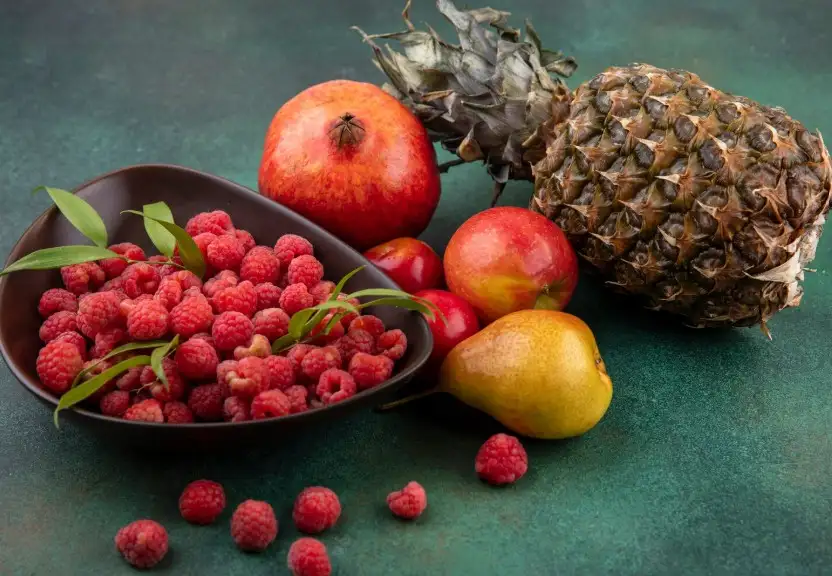
Including a variety of seasonal fruits in your meals can help support immunity, improve digestion, promote heart health and keep you energised throughout the year. Here are some of the most nutritious seasonal fruits and the health benefits they offer.
Mango
Often called the king of fruits, mangoes are rich in vitamins A and C, which support healthy skin, eyesight and immunity. They also contain fibre that aids digestion and antioxidants that help protect the body's cells from damage. Enjoy mangoes fresh or add them to smoothies and fruit salads.
Watermelon
A favourite during hot weather, watermelon is made up of over 90% water, making it excellent for staying hydrated. It provides vitamin C, vitamin A and lycopene, an antioxidant associated with heart health and healthy skin. It is also naturally low in calories.
Jamun
Jamun is known for its impressive antioxidant content. It contains vitamin C, iron and plant compounds that help fight oxidative stress. Its fibre content supports digestion, while its naturally low glycaemic properties make it a popular fruit among people looking to manage blood sugar as part of a balanced diet.
Litchi
Sweet and juicy, litchis are a good source of vitamin C, copper and potassium. These nutrients contribute to immune function, healthy blood circulation and normal nerve function. Litchis also contain antioxidants that help reduce cell damage caused by free radicals.
Papaya
Papaya is rich in vitamin C, vitamin A and folate. It contains the natural enzyme papain, which helps support digestion by breaking down proteins. The fruit is also high in fibre, making it beneficial for gut health and regular bowel movements.
Guava
Guava is one of the richest natural sources of vitamin C, providing far more than many citrus fruits. It is also high in dietary fibre, potassium and antioxidants. Eating guava regularly may help strengthen immunity, improve digestion and support heart health.
Oranges
Oranges are well known for their vitamin C content, which helps strengthen the immune system and supports collagen production for healthy skin. They also contain fibre and potassium, making them a nutritious snack that supports digestive and heart health.
Apples
The saying "an apple a day keeps the doctor away" reflects the fruit's impressive nutritional profile. Apples contain fibre, vitamin C and beneficial plant compounds that may support heart health, improve digestion and help you feel full for longer.
Berries
Seasonal berries such as strawberries, blueberries and mulberries are loaded with antioxidants, vitamins and fibre. These nutrients help reduce inflammation, support brain health and protect the body from oxidative stress. They are a great addition to yoghurt, breakfast cereals or smoothies.
Tips to Get the Most Nutrition from Seasonal Fruits
Seasonal fruits are a simple and delicious way to improve your overall nutrition. From hydrating watermelon and vitamin C-rich guava to antioxidant-packed berries and pomegranates, each fruit offers unique health benefits. Eating a colourful mix of seasonal fruits throughout the year can help support immunity, digestion, heart health and overall well-being while making your diet more enjoyable.
Disclaimer: This article is for general informational purposes only and should not be considered medical or nutritional advice. Consult a qualified healthcare professional or dietitian for personalised dietary guidance.
Including a variety of seasonal fruits in your meals can help support immunity, improve digestion, promote heart health and keep you energised throughout the year. Here are some of the most nutritious seasonal fruits and the health benefits they offer.
Mango
Often called the king of fruits, mangoes are rich in vitamins A and C, which support healthy skin, eyesight and immunity. They also contain fibre that aids digestion and antioxidants that help protect the body's cells from damage. Enjoy mangoes fresh or add them to smoothies and fruit salads.Watermelon
A favourite during hot weather, watermelon is made up of over 90% water, making it excellent for staying hydrated. It provides vitamin C, vitamin A and lycopene, an antioxidant associated with heart health and healthy skin. It is also naturally low in calories. Jamun
Jamun is known for its impressive antioxidant content. It contains vitamin C, iron and plant compounds that help fight oxidative stress. Its fibre content supports digestion, while its naturally low glycaemic properties make it a popular fruit among people looking to manage blood sugar as part of a balanced diet.You may also like
- Meet Tokio Nakano: The 81-year-old artist who turns rice paddies into giant works of art
- Isha Ambani champions Indian luxury at Manish Malhotra's historic Paris Haute Couture debut
- Dhamaal 4 Review | Tottal Dhamaal
- Why Am I Having Brown Discharge Between Periods?
- Manish Malhotra's 'Maa': Indian designer makes an emotional Paris Haute Couture debut
Litchi
Sweet and juicy, litchis are a good source of vitamin C, copper and potassium. These nutrients contribute to immune function, healthy blood circulation and normal nerve function. Litchis also contain antioxidants that help reduce cell damage caused by free radicals. Papaya
Papaya is rich in vitamin C, vitamin A and folate. It contains the natural enzyme papain, which helps support digestion by breaking down proteins. The fruit is also high in fibre, making it beneficial for gut health and regular bowel movements. Guava
Guava is one of the richest natural sources of vitamin C, providing far more than many citrus fruits. It is also high in dietary fibre, potassium and antioxidants. Eating guava regularly may help strengthen immunity, improve digestion and support heart health. Pomegranate
Pomegranates are packed with antioxidants known as polyphenols, which help protect cells from damage. They also provide vitamin C, vitamin K and fibre. Regular consumption may support heart health and contribute to healthy blood circulation.Oranges
Oranges are well known for their vitamin C content, which helps strengthen the immune system and supports collagen production for healthy skin. They also contain fibre and potassium, making them a nutritious snack that supports digestive and heart health. Apples
The saying "an apple a day keeps the doctor away" reflects the fruit's impressive nutritional profile. Apples contain fibre, vitamin C and beneficial plant compounds that may support heart health, improve digestion and help you feel full for longer. Berries
Seasonal berries such as strawberries, blueberries and mulberries are loaded with antioxidants, vitamins and fibre. These nutrients help reduce inflammation, support brain health and protect the body from oxidative stress. They are a great addition to yoghurt, breakfast cereals or smoothies. Tips to Get the Most Nutrition from Seasonal Fruits
- Eat fruits fresh whenever possible to preserve nutrients.
- Wash fruits thoroughly before eating.
- Choose locally grown seasonal produce for better freshness.
- Include a variety of colours in your fruit selection to obtain a wider range of nutrients.
- Avoid adding excessive sugar or syrup to fruit preparations.
Seasonal fruits are a simple and delicious way to improve your overall nutrition. From hydrating watermelon and vitamin C-rich guava to antioxidant-packed berries and pomegranates, each fruit offers unique health benefits. Eating a colourful mix of seasonal fruits throughout the year can help support immunity, digestion, heart health and overall well-being while making your diet more enjoyable.
Disclaimer: This article is for general informational purposes only and should not be considered medical or nutritional advice. Consult a qualified healthcare professional or dietitian for personalised dietary guidance.






Loving Newspoint? Download the app now
