
Sugar, Honey, and Monk Fruit Compared: Which One Is Best for Your Health?

Sweeteners are no longer limited to the humble spoonful of sugar. Grocery store shelves today are packed with alternatives, from traditional jaggery and honey to modern options like stevia and monk fruit sweetener. With so many choices claiming to be healthier, it’s easy to wonder which one truly deserves a place in your kitchen.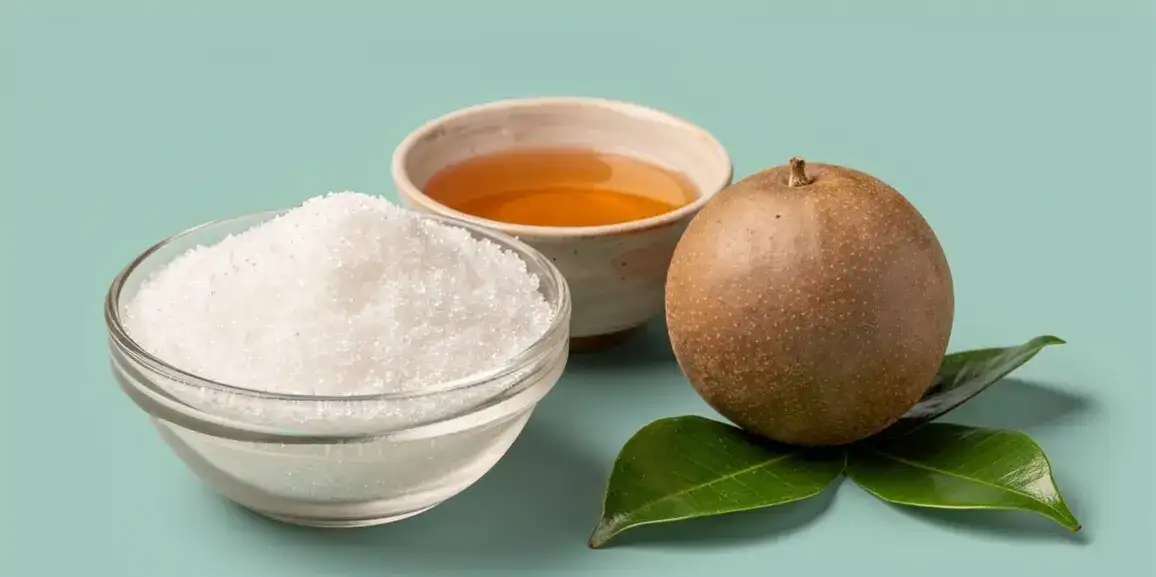
The answer isn’t always as straightforward as clever marketing makes it seem. While some sweeteners may sound natural and nutritious, their impact on blood sugar can tell a different story.
Regular Sugar: The Familiar Favourite
Table sugar remains one of the most commonly used sweeteners worldwide. Whether it’s stirred into tea and coffee or used in cakes and desserts, it is a staple in many households.
However, sugar offers little beyond sweetness. It has a relatively high glycaemic index (GI) of around 65, meaning it can raise blood sugar levels quickly. It also provides no significant nutrients, making it a less desirable choice for those looking to manage blood sugar or improve overall health.
Jaggery: Not Always the Health Hero
Jaggery is often promoted as a healthier alternative to refined sugar because it is less processed and contains small amounts of minerals. But its reputation may be more impressive than its actual health benefits.
With a glycaemic index ranging between 70 and 90, jaggery can cause blood sugar levels to rise even faster than regular sugar. While it does contain trace minerals, the quantities are too small to make a meaningful nutritional difference. For people watching their blood sugar, jaggery may not be the healthier swap many believe it to be.
Honey: A Slightly Better Choice
Honey has long been valued as a natural sweetener. Produced by bees from flower nectar, it undergoes minimal processing and contains antioxidants that are absent in regular sugar.
Its glycaemic index typically falls between 50 and 58, making it slightly gentler on blood sugar levels compared to sugar and jaggery. However, honey is still a form of sugar and can contribute to blood glucose spikes when consumed in excess. Moderation remains important.
Stevia: Sweetness Without Calories
Derived from the leaves of the Stevia rebaudiana plant, stevia has become a popular choice among people looking to reduce sugar intake.
One of its biggest advantages is that it has a glycaemic index of zero and contains no calories. It does not raise blood sugar levels, making it a suitable option for many people seeking better glucose control. The only drawback is its distinctive bitter aftertaste, which some people may find unpleasant.
Monk Fruit Sweetener: The Rising Star
Monk fruit sweetener has quickly gained attention as a natural sugar alternative. Extracted from a small fruit native to Southeast Asia, it delivers sweetness without the calories or blood sugar impact associated with traditional sweeteners.
Like stevia, monk fruit has a glycaemic index of zero and does not increase blood glucose levels. What sets it apart for many users is its cleaner taste, without the bitterness that can accompany stevia. These qualities have helped it emerge as one of the most appealing sugar substitutes available today.
Which Sweetener Comes Out on Top?
When comparing these five options, monk fruit sweetener and stevia stand out for their ability to provide sweetness without affecting blood sugar levels. Honey occupies the middle ground, offering some beneficial compounds but still requiring moderation. Regular sugar ranks lower due to its lack of nutritional value, while jaggery may be the most misleading option because of its surprisingly high glycaemic impact.
Disclaimer: This article is for informational purposes only and should not be considered medical advice. Individual dietary needs and health conditions vary, so consult a qualified healthcare professional before making significant changes to your diet or sweetener choices.
The answer isn’t always as straightforward as clever marketing makes it seem. While some sweeteners may sound natural and nutritious, their impact on blood sugar can tell a different story.
Regular Sugar: The Familiar Favourite
Table sugar remains one of the most commonly used sweeteners worldwide. Whether it’s stirred into tea and coffee or used in cakes and desserts, it is a staple in many households.However, sugar offers little beyond sweetness. It has a relatively high glycaemic index (GI) of around 65, meaning it can raise blood sugar levels quickly. It also provides no significant nutrients, making it a less desirable choice for those looking to manage blood sugar or improve overall health.
Jaggery: Not Always the Health Hero
Jaggery is often promoted as a healthier alternative to refined sugar because it is less processed and contains small amounts of minerals. But its reputation may be more impressive than its actual health benefits.You may also like
- A mother gave her 3-year old Maggi and chips for the first time ever: The child's reaction is a huge lesson for modern parents
- Effective Strategies to Combat Sticky Skin During Summer
- Wondering if Your Embryo Transfer Worked? Early Signs to Know
- The broke student's ultimate guide to exploring Hyderabad
- When the JEE Advanced rank-holder was asked "how hard can she study?”, she gave a reply every child needs to hear
With a glycaemic index ranging between 70 and 90, jaggery can cause blood sugar levels to rise even faster than regular sugar. While it does contain trace minerals, the quantities are too small to make a meaningful nutritional difference. For people watching their blood sugar, jaggery may not be the healthier swap many believe it to be.
Honey: A Slightly Better Choice
Honey has long been valued as a natural sweetener. Produced by bees from flower nectar, it undergoes minimal processing and contains antioxidants that are absent in regular sugar. Its glycaemic index typically falls between 50 and 58, making it slightly gentler on blood sugar levels compared to sugar and jaggery. However, honey is still a form of sugar and can contribute to blood glucose spikes when consumed in excess. Moderation remains important.
Stevia: Sweetness Without Calories
Derived from the leaves of the Stevia rebaudiana plant, stevia has become a popular choice among people looking to reduce sugar intake.One of its biggest advantages is that it has a glycaemic index of zero and contains no calories. It does not raise blood sugar levels, making it a suitable option for many people seeking better glucose control. The only drawback is its distinctive bitter aftertaste, which some people may find unpleasant.
Monk Fruit Sweetener: The Rising Star
Monk fruit sweetener has quickly gained attention as a natural sugar alternative. Extracted from a small fruit native to Southeast Asia, it delivers sweetness without the calories or blood sugar impact associated with traditional sweeteners. Like stevia, monk fruit has a glycaemic index of zero and does not increase blood glucose levels. What sets it apart for many users is its cleaner taste, without the bitterness that can accompany stevia. These qualities have helped it emerge as one of the most appealing sugar substitutes available today.
Which Sweetener Comes Out on Top?
When comparing these five options, monk fruit sweetener and stevia stand out for their ability to provide sweetness without affecting blood sugar levels. Honey occupies the middle ground, offering some beneficial compounds but still requiring moderation. Regular sugar ranks lower due to its lack of nutritional value, while jaggery may be the most misleading option because of its surprisingly high glycaemic impact. Disclaimer: This article is for informational purposes only and should not be considered medical advice. Individual dietary needs and health conditions vary, so consult a qualified healthcare professional before making significant changes to your diet or sweetener choices.






More from our partners


Loving Newspoint? Download the app now
