
Common Vegetable Storage Mistakes You Should Avoid

Fresh vegetables can lose their taste, texture, and nutrients quickly if they are not stored properly. Many people unknowingly keep all vegetables in the refrigerator, while others leave everything on the kitchen counter. The right storage method depends on the type of vegetable. Here are some smart and simple ways to keep your vegetables fresh for longer and reduce food waste.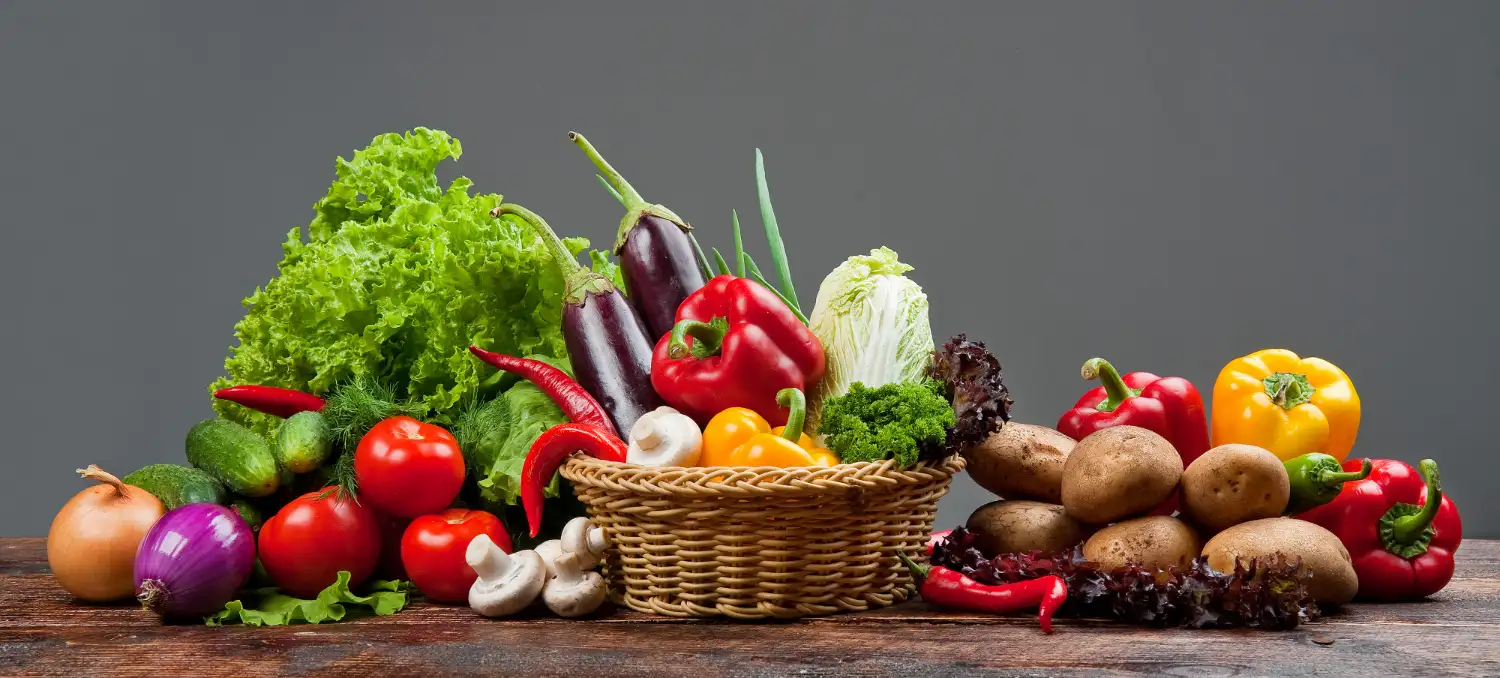
Keep Leafy Greens Dry
Leafy vegetables like spinach, coriander, lettuce, and fenugreek spoil quickly because of excess moisture. Wash them only before use, or if washed in advance, dry them thoroughly. Store them in a container or zip-lock bag lined with a paper towel to absorb moisture and help them stay fresh.
Store Potatoes and Onions Separately
Potatoes and onions should never be stored together. Onions release gases that can make potatoes sprout and spoil faster. Keep them in separate baskets in a cool, dark, and well-ventilated place. Avoid storing them inside sealed plastic bags.
Refrigerate the Right Vegetables
Vegetables such as carrots, broccoli, cauliflower, beans, peas, bell peppers, and cabbage stay fresh longer in the refrigerator. Use the vegetable drawer whenever possible, as it helps maintain the right humidity for fresh produce.
Don't Wash Everything Immediately
While it may seem convenient to wash vegetables as soon as you bring them home, excess moisture encourages mold and decay. Store most vegetables unwashed and rinse them only before cooking. This simple habit can significantly extend their shelf life.
Use Airtight Containers for Cut Vegetables
If you have leftover chopped vegetables, transfer them to clean airtight containers and refrigerate them immediately. Try to use them within one or two days to maintain freshness, texture, and flavor.
Keep Tomatoes at Room Temperature
Whole tomatoes taste best when stored at room temperature away from direct sunlight. Refrigeration can make them mealy and reduce their natural flavor. Once fully ripe, you can refrigerate them if you need to extend their freshness for a couple of days.
Wrap Herbs Properly
Fresh herbs such as parsley, mint, and coriander stay fresh longer when their stems are placed in a small jar with a little water. Loosely cover the leaves with a plastic bag and refrigerate, changing the water every few days.
Avoid Overcrowding the Refrigerator
Packing too many vegetables into one drawer reduces airflow, which can speed up spoilage. Arrange vegetables neatly with enough space for air to circulate. Remove any spoiled vegetables immediately so they do not affect the others.
Keep Ethylene-Producing Fruits Away
Fruits such as apples, bananas, avocados, and ripe tomatoes release ethylene gas, which can cause nearby vegetables to ripen and spoil more quickly. Store these fruits separately from most vegetables whenever possible.
Check Vegetables Regularly
Make it a habit to inspect your vegetables every few days. Remove any wilted or spoiled pieces promptly to prevent mold from spreading. Rotating older vegetables to the front also helps ensure they are used before they go bad.
Storing vegetables correctly doesn't require expensive tools or complicated techniques. By understanding which vegetables need refrigeration, keeping moisture under control, and separating certain produce, you can enjoy fresher vegetables for longer, reduce food waste, and save money on your grocery bills.
Keep Leafy Greens Dry
Leafy vegetables like spinach, coriander, lettuce, and fenugreek spoil quickly because of excess moisture. Wash them only before use, or if washed in advance, dry them thoroughly. Store them in a container or zip-lock bag lined with a paper towel to absorb moisture and help them stay fresh. Store Potatoes and Onions Separately
Potatoes and onions should never be stored together. Onions release gases that can make potatoes sprout and spoil faster. Keep them in separate baskets in a cool, dark, and well-ventilated place. Avoid storing them inside sealed plastic bags.Refrigerate the Right Vegetables
Vegetables such as carrots, broccoli, cauliflower, beans, peas, bell peppers, and cabbage stay fresh longer in the refrigerator. Use the vegetable drawer whenever possible, as it helps maintain the right humidity for fresh produce. Don't Wash Everything Immediately
While it may seem convenient to wash vegetables as soon as you bring them home, excess moisture encourages mold and decay. Store most vegetables unwashed and rinse them only before cooking. This simple habit can significantly extend their shelf life.You may also like
- This 69-year-old paralysed man cleaned a river in silence until a young photographer noticed him
- 8 Monsoon Foods to Avoid During Pregnancy
- Income Tax Alert: Government monitoring foreign-sourced income; full details now visible in AIS
- Ration Card Rule: Grain to be issued via QR code and face scan; Delhi Government introducing new PDS system
- Travel Tax: Heading to Nainital on a bike or scooter? Be aware—your trip just got costlier; here's the tax amount being charged.
Use Airtight Containers for Cut Vegetables
If you have leftover chopped vegetables, transfer them to clean airtight containers and refrigerate them immediately. Try to use them within one or two days to maintain freshness, texture, and flavor. Keep Tomatoes at Room Temperature
Whole tomatoes taste best when stored at room temperature away from direct sunlight. Refrigeration can make them mealy and reduce their natural flavor. Once fully ripe, you can refrigerate them if you need to extend their freshness for a couple of days. Wrap Herbs Properly
Fresh herbs such as parsley, mint, and coriander stay fresh longer when their stems are placed in a small jar with a little water. Loosely cover the leaves with a plastic bag and refrigerate, changing the water every few days. Avoid Overcrowding the Refrigerator
Packing too many vegetables into one drawer reduces airflow, which can speed up spoilage. Arrange vegetables neatly with enough space for air to circulate. Remove any spoiled vegetables immediately so they do not affect the others.Keep Ethylene-Producing Fruits Away
Fruits such as apples, bananas, avocados, and ripe tomatoes release ethylene gas, which can cause nearby vegetables to ripen and spoil more quickly. Store these fruits separately from most vegetables whenever possible. Check Vegetables Regularly
Make it a habit to inspect your vegetables every few days. Remove any wilted or spoiled pieces promptly to prevent mold from spreading. Rotating older vegetables to the front also helps ensure they are used before they go bad. Storing vegetables correctly doesn't require expensive tools or complicated techniques. By understanding which vegetables need refrigeration, keeping moisture under control, and separating certain produce, you can enjoy fresher vegetables for longer, reduce food waste, and save money on your grocery bills.






Loving Newspoint? Download the app now
