
Boiling Packaged Milk for 5 Minutes: Does It Really Make Milk Safe or Is Loose Milk a Better Choice?

The recent debate around milk safety has pushed many households to rethink their daily habits, especially boiling packaged milk for 5 minutes before consumption. With viral reports raising concerns over bacterial contamination in pouch milk, consumers are asking a simple but important question: is boiling enough to make milk safe, or should loose milk be considered instead? Understanding how milk is processed, stored and handled can help clear the confusion.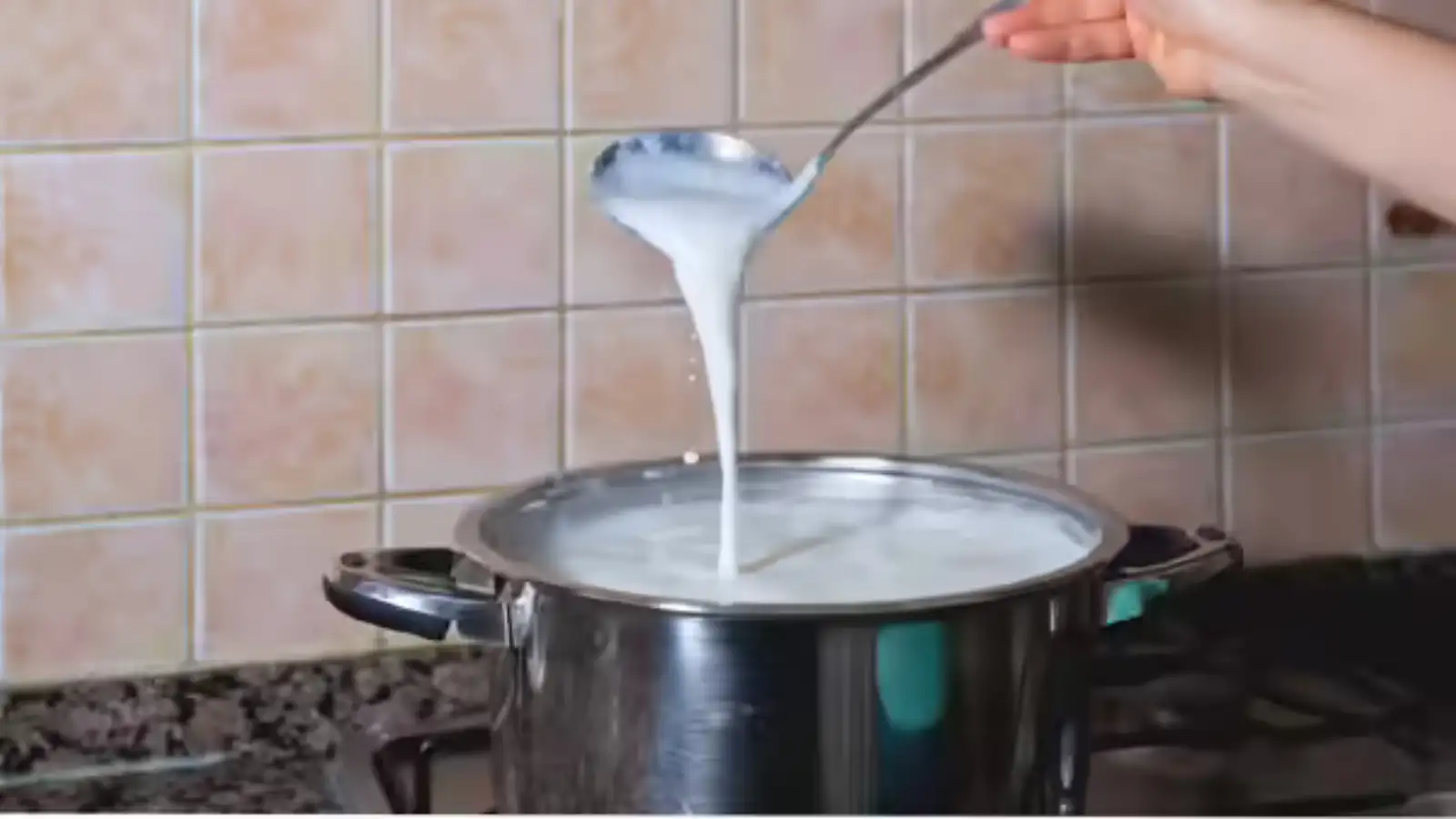
Why Milk Safety Is Suddenly Under Scrutiny
Milk usually stays out of the spotlight, but recent lab reports alleging bacterial presence in some packaged milk brands triggered nationwide concern. Regulatory authorities increased inspections, while companies pointed towards possible storage and transport issues rather than production faults. This has shifted the focus from brands to everyday kitchen practices and consumer awareness.
Does Boiling Packaged Milk for 5 Minutes Kill Germs?
Boiling milk at home remains one of the most trusted safety practices in Indian kitchens. When packaged milk is boiled for five minutes after it rises, temperatures exceed 100°C, which kills most disease-causing bacteria, including coliform organisms.
Packaged milk is already pasteurised during processing, which removes the majority of harmful microbes. Home boiling acts as an extra safety layer. However, it is important to note that boiling improves microbial safety but does not make milk completely risk-free.
What Boiling Cannot Fix
While heat is effective against bacteria, it does not remove chemical adulterants. Substances such as detergent, urea or synthetic additives, if present, remain unchanged even after prolonged boiling. In addition, excessive boiling may reduce certain heat-sensitive nutrients, including vitamin B12 and folate. This means boiling should be adequate, not excessive.
The Role of Cold Chain in Milk Safety
Even well-processed milk can become unsafe if it is not kept cold. Bacteria multiply rapidly when milk is exposed to warmer temperatures during transport, shop storage or doorstep delivery. This makes immediate boiling after purchase essential, followed by refrigeration below 4°C.
Repeated reheating should be avoided, as it increases the risk of contamination. In comparison, UHT milk undergoes ultra-high temperature processing and is sealed in sterile packs, allowing it to remain safe at room temperature until opened.
Packaged Milk vs Loose Milk : Which Is Safer?
Loose milk continues to be popular due to taste preferences and long-standing trust in local vendors. However, loose milk is unpasteurised and may contain harmful bacteria if hygiene standards are not strictly maintained during milking and transport.
Packaged milk, on the other hand, is pasteurised, tested and sealed, reducing exposure to environmental contamination. From a food safety perspective, packaged milk is generally the safer option, provided it is stored and handled correctly.
Simple Ways to Check Milk Quality at Home
Consumers can perform basic checks to identify possible adulteration. Adding iodine to cooled, boiled milk can help detect starch, while shaking milk with water may reveal detergent contamination through excessive foam. Home testing kits approved by food safety agencies are also available and can offer additional reassurance.
What Should You Do?
Boiling packaged milk for 5 minutes significantly lowers bacterial risk but does not remove chemical contaminants. Choosing trusted brands, boiling milk promptly, and storing it properly are key to ensuring safety. For children, elderly family members or those with weaker immunity, UHT milk can be a reliable alternative.
Milk remains a daily essential in Indian homes. Staying informed, rather than panicking, is the best way to protect your family’s health.
Why Milk Safety Is Suddenly Under Scrutiny
Milk usually stays out of the spotlight, but recent lab reports alleging bacterial presence in some packaged milk brands triggered nationwide concern. Regulatory authorities increased inspections, while companies pointed towards possible storage and transport issues rather than production faults. This has shifted the focus from brands to everyday kitchen practices and consumer awareness.
Does Boiling Packaged Milk for 5 Minutes Kill Germs?
Boiling milk at home remains one of the most trusted safety practices in Indian kitchens. When packaged milk is boiled for five minutes after it rises, temperatures exceed 100°C, which kills most disease-causing bacteria, including coliform organisms.
Packaged milk is already pasteurised during processing, which removes the majority of harmful microbes. Home boiling acts as an extra safety layer. However, it is important to note that boiling improves microbial safety but does not make milk completely risk-free.
What Boiling Cannot Fix
While heat is effective against bacteria, it does not remove chemical adulterants. Substances such as detergent, urea or synthetic additives, if present, remain unchanged even after prolonged boiling. In addition, excessive boiling may reduce certain heat-sensitive nutrients, including vitamin B12 and folate. This means boiling should be adequate, not excessive.
You may also like
- Healthy Beetroot Recipes: 5 Delicious Ways to Add This Nutrient-Rich Superfood to Your Diet
- Walking During Pregnancy: Is It Safe? Here Are 5 Health Benefits Every Expecting Mother Should Know
- Anxiety vs Stress: How to Tell the Difference and When You Should Seek Help
- Weight Loss Tips: Is Diet Alone Enough? Experts Explain the Healthy Way to Lose Weight and Keep It Off
- Family Floater vs Individual Health Insurance: Which Plan Is the Better Choice for Your Family?
The Role of Cold Chain in Milk Safety
Even well-processed milk can become unsafe if it is not kept cold. Bacteria multiply rapidly when milk is exposed to warmer temperatures during transport, shop storage or doorstep delivery. This makes immediate boiling after purchase essential, followed by refrigeration below 4°C.
Repeated reheating should be avoided, as it increases the risk of contamination. In comparison, UHT milk undergoes ultra-high temperature processing and is sealed in sterile packs, allowing it to remain safe at room temperature until opened.
Packaged Milk vs Loose Milk : Which Is Safer?
Loose milk continues to be popular due to taste preferences and long-standing trust in local vendors. However, loose milk is unpasteurised and may contain harmful bacteria if hygiene standards are not strictly maintained during milking and transport.
Packaged milk, on the other hand, is pasteurised, tested and sealed, reducing exposure to environmental contamination. From a food safety perspective, packaged milk is generally the safer option, provided it is stored and handled correctly.
Simple Ways to Check Milk Quality at Home
Consumers can perform basic checks to identify possible adulteration. Adding iodine to cooled, boiled milk can help detect starch, while shaking milk with water may reveal detergent contamination through excessive foam. Home testing kits approved by food safety agencies are also available and can offer additional reassurance.
What Should You Do?
Boiling packaged milk for 5 minutes significantly lowers bacterial risk but does not remove chemical contaminants. Choosing trusted brands, boiling milk promptly, and storing it properly are key to ensuring safety. For children, elderly family members or those with weaker immunity, UHT milk can be a reliable alternative.
Milk remains a daily essential in Indian homes. Staying informed, rather than panicking, is the best way to protect your family’s health.






Loving Newspoint? Download the app now
